Read More













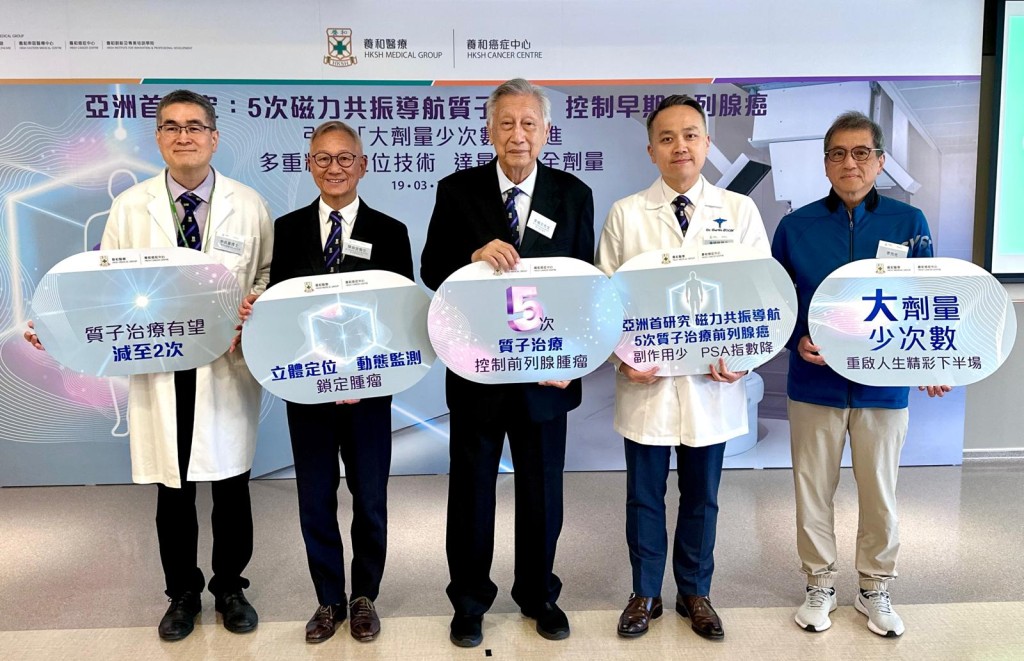
HKSH Medical Group on Thursday released Asia's first clinical study on five-session proton therapy for early-stage prostate cancer, reporting significant efficacy and mild side effects.
According to the report, proton therapy for prostate cancer generally requires about 30 sessions over eight to nine weeks. Since launching proton therapy in 2023, HKSH Cancer Centre has used advanced precision techniques to achieve “hypofractionation”—cutting treatment sessions by 80 percent.
Notably, the center now offers an option of five sessions of proton therapy within two to three weeks to achieve disease control. This innovation is a significant advancement in cancer treatment.
With the unique physical properties of proton beams, proton therapy allows for precise targeting of tumors with minimal damage to nearby vital organs such as the bladder and bowel.
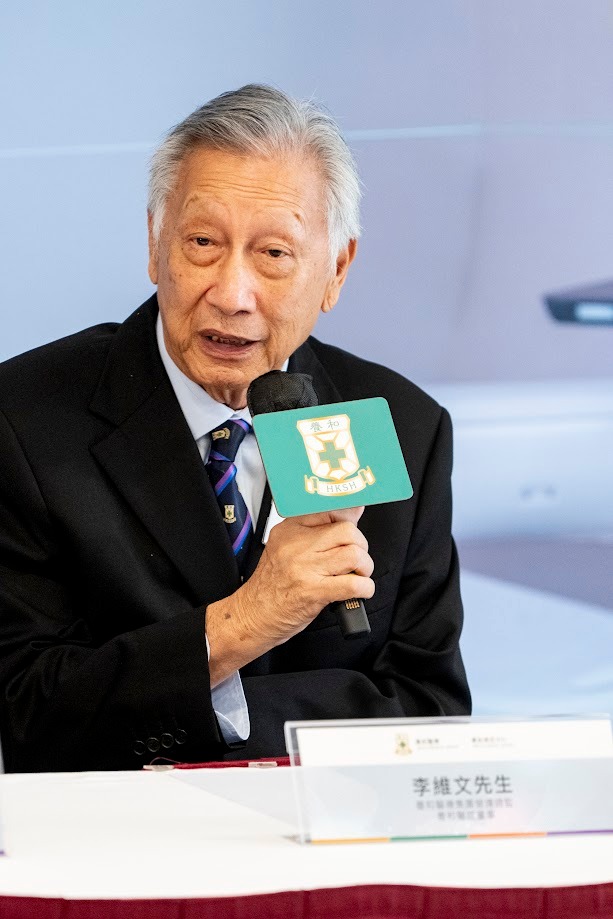
"The integration of proton therapy and targeting technologies is the cornerstone to the successful implementation of hypofractionation," said Wyman Li, Chief Operating Officer of HKSH Medical Group and Director of Hong Kong Sanatorium & Hospital.
To enable patients to benefit from more advanced precision treatments with fewer side effects, Li revealed that the HKSH research team plans to explore the feasibility of further reducing the treatment from five to two sessions for early-stage prostate cancer.
He also noted that the world's first Photon-Counting CT Simulation System (PCCT-Sim) with advanced simulation capabilities has been introduced at HKSH, offering more effective disease control.
To assess the clinical efficacy of five-session proton therapy, a clinical study was launched to analyze data from 94 early-stage prostate cancer patients who received Stereotactic Body Proton Therapy between June 2024 and January 2026.
The study found that the patients' prostate-specific antigen (PSA) levels dropped sharply from a baseline of 12.57 ng/mL to 1.13 ng/mL three months after treatment.
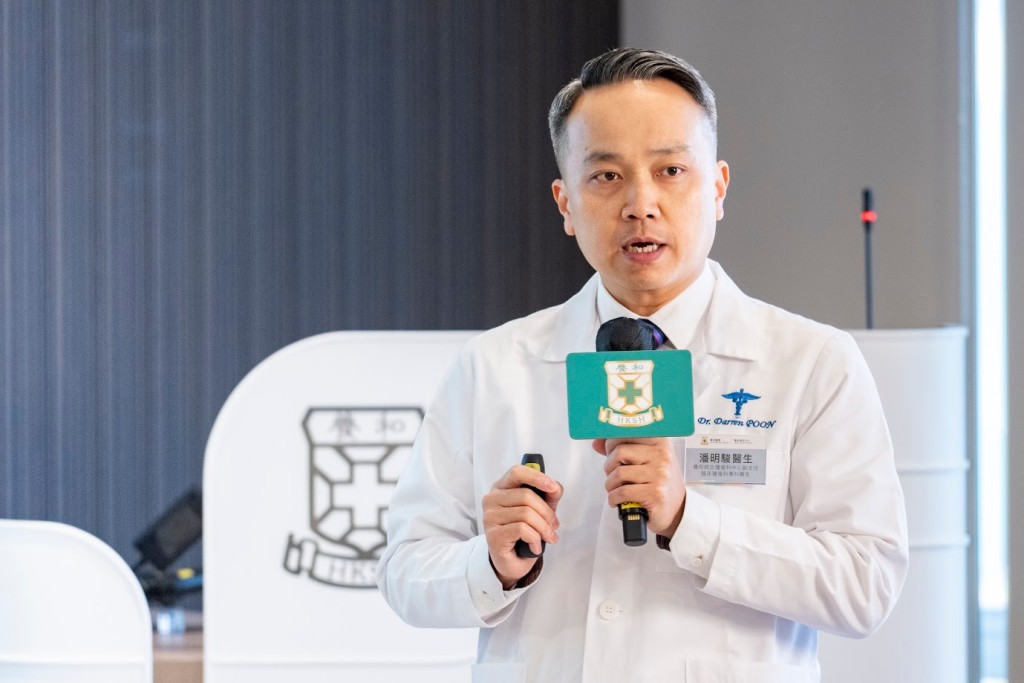
Darren Poon, Associate Director of HKSH Comprehensive Oncology Centre and Specialist in Clinical Oncology, who led the study, explained that the high concentration and precise delivery of proton beams meant that most patients experienced no Grade 2 or higher adverse reactions after treatment.
Patient-Reported Outcome Measures showed favorable urinary and bowel function scores three months after treatment, suggesting minimal impact on patients' quality of life. The most common side effect was related to the urinary system, with 33 percent of patients reporting mild Grade 1 dysuria (difficulty in urination), which subsequently improved.
Poon explained that the core technologies behind hypofractionation include Intensity Modulated Proton Therapy (IMPT), along with pencil-beam scanning, pre-treatment MRI and CT scans, and real-time X-ray imaging to ensure accurate targeting.
To protect nearby organs, doctors may also use rectal spacers to increase the rectum-prostate distance. By assessing bladder filling before each session, Poon indicated that volume scans will enable precise tumor targeting and reduce radiation exposure.
Given that prostate tumors may shift slightly due to soft-tissue movement, techniques such as implanting fiducial markers within the prostate to track the tumor's position in real-time are applied to ensure precise radiation delivery to the tumor.
Building on the promising clinical results of HKSH's five-session proton therapy, HKSH has also begun a clinical study on two-session proton therapy. The study has enrolled 35 patients with low-to-intermediate risk localized prostate cancer, with a five-year follow-up.
Committed to both talent development and technology, HKSH launched the “Proton Therapy Joint Training Course” with the National Cancer Centre in June 2025, followed by a 10-month “HKSH Cancer Centre Proton Therapy Training Programme.”
HKSH also hosted the Annual Conference of the Asia-Oceania Particle Therapy Co-operative Group (PTCOG-AO) in November 2025, aiming to build a premier platform for continuous learning and advancement in proton therapy across the Asia-Pacific region.
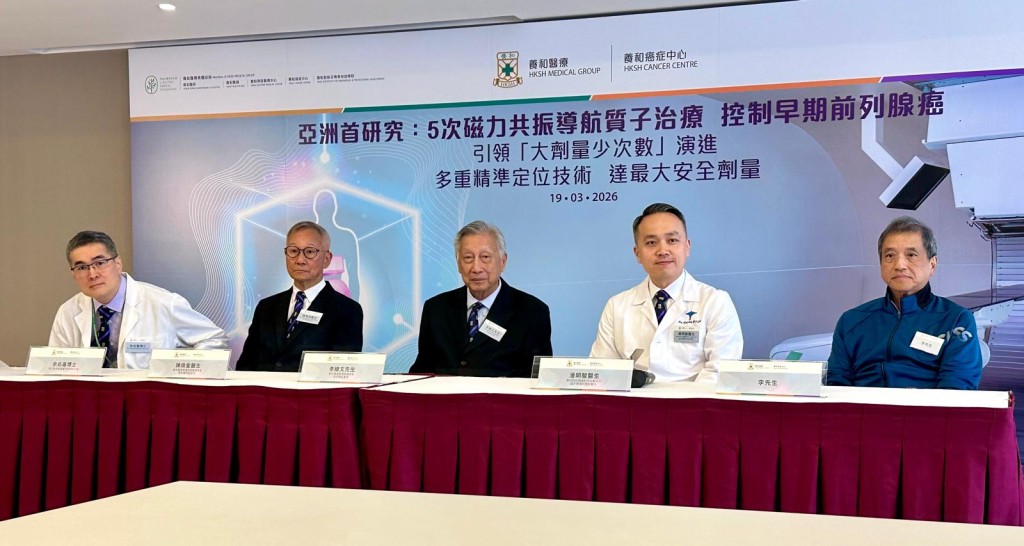
Li, a 69-year-old retired teacher, discovered elevated PSA levels and coronary artery blockage during a routine checkup in December 2024. After delaying prostate cancer treatment for an angioplasty procedure and anticoagulant medication in March 2025, Li opted for five-session proton therapy and commenced his 2.5-week course of treatment in December 2025.
Li shared that he almost felt no discomfort during or after the treatment, with only some markings on his hip. He described the experience as “feeling like I haven't undergone any treatment at all.”
Notably, his PSA levels dropped significantly, allowing him to continue jogging, traveling with his wife, and spending time with his grandchildren.