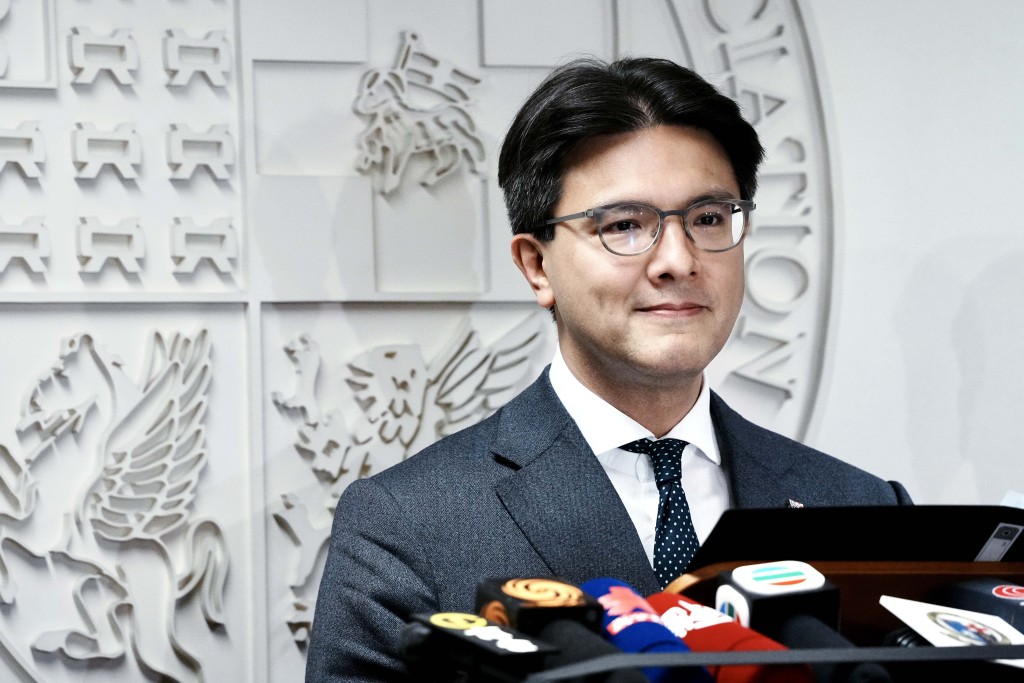
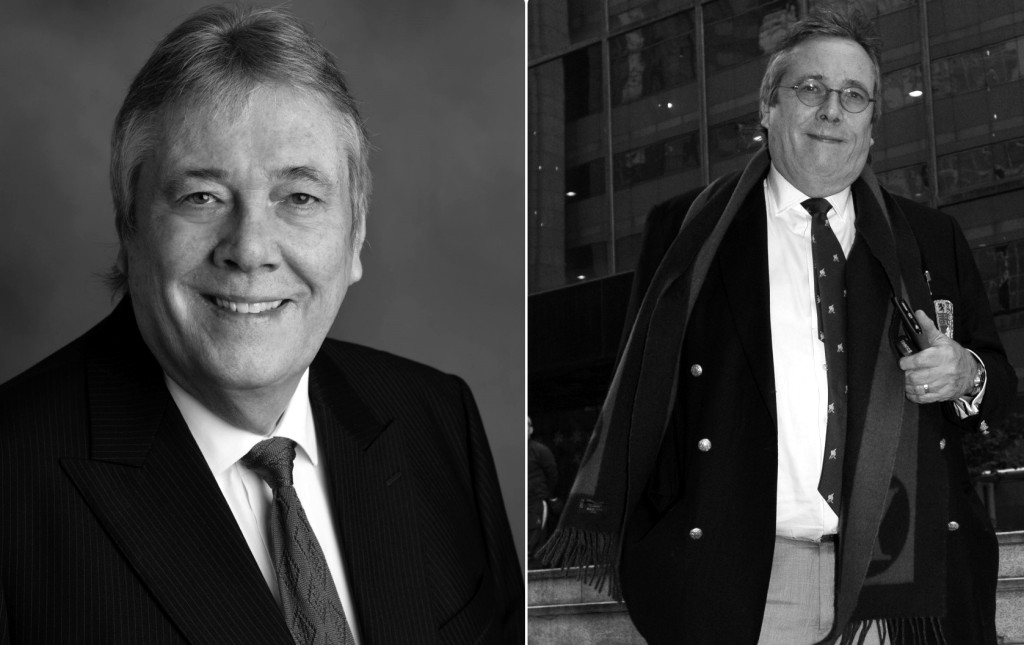
Hong Kong Bar Association chairman José Antonio Maurellet proposes amending legislation to introduce imprisonment penalties for serious anti-competitive behaviors such as bid-rigging and market sharing, with a maximum sentence of seven years.
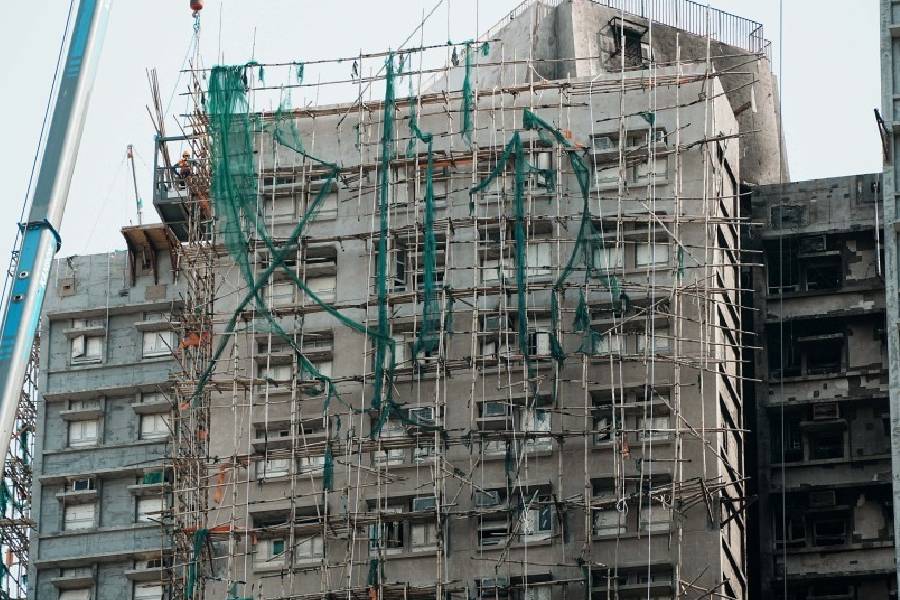
The proposal follows heightened public concern over building safety and collusion issues surfaced by the Wang Fuk Court fire.
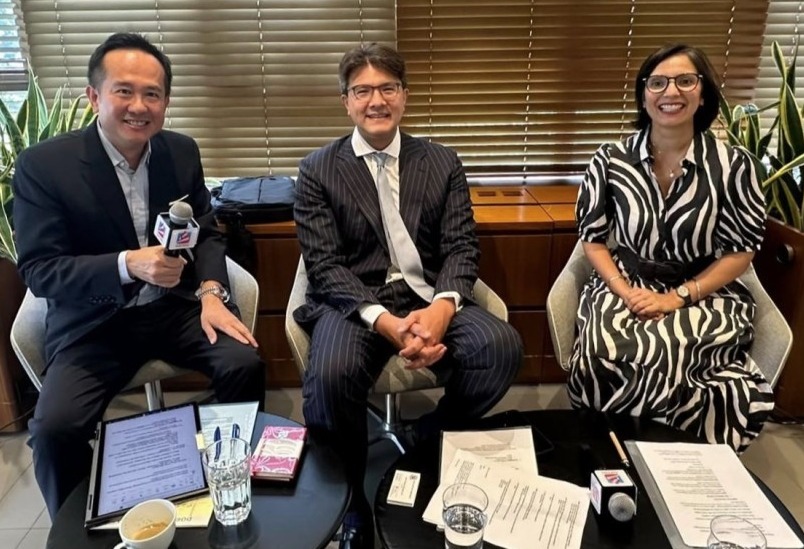
Speaking on a TV program on Sunday, Maruellet noted that a special legal research task force formed by the Association will provide technical legislative recommendations once the independent committee into the fire concludes its work.
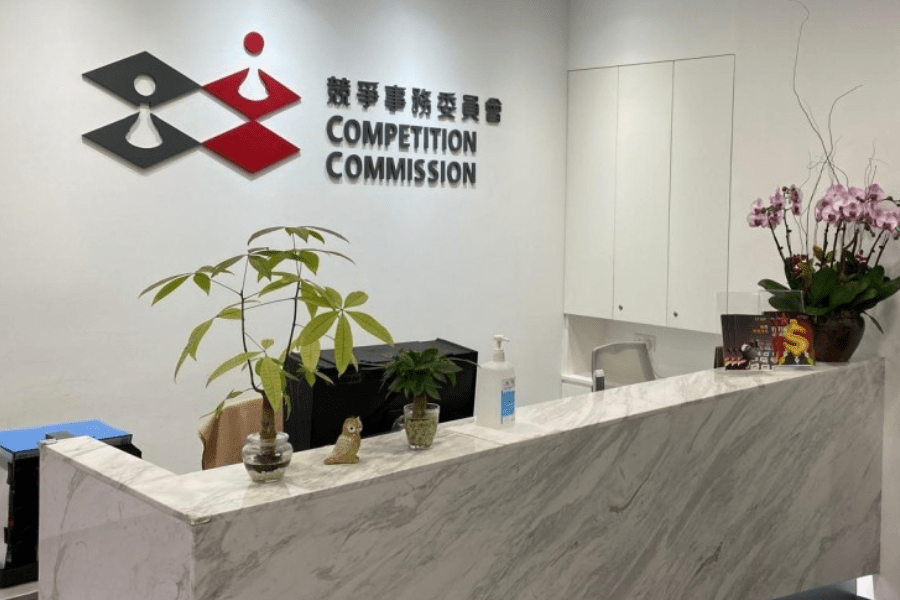
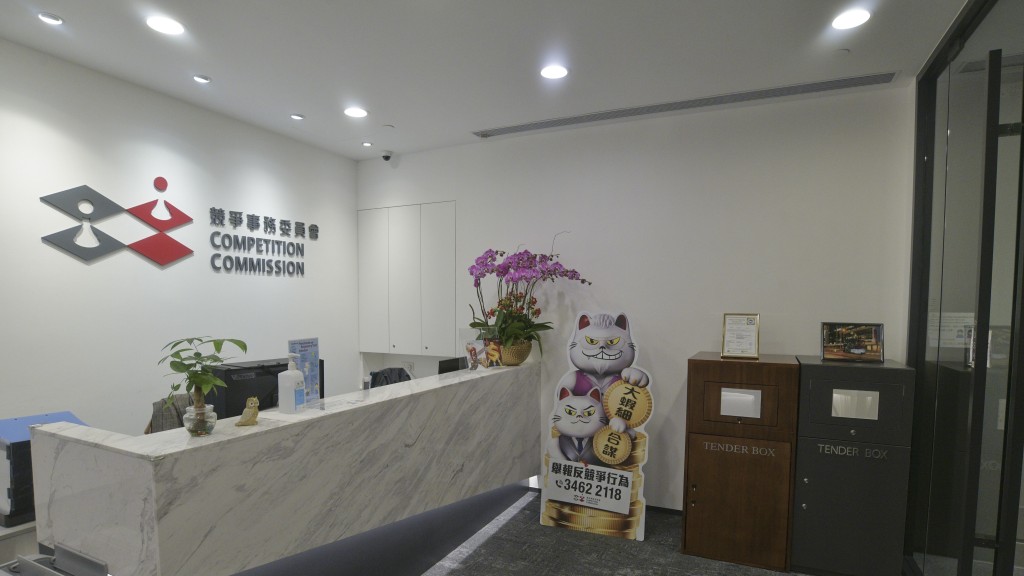
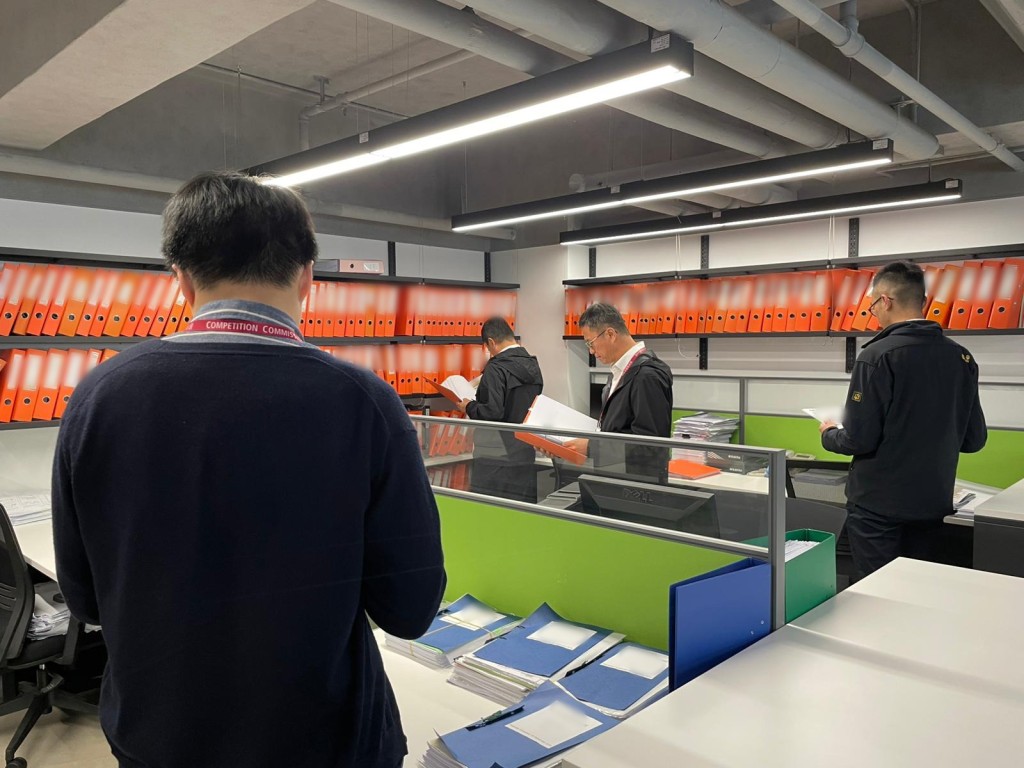
He suggested that Hong Kong should draw reference from the Securities and Futures Ordinance to reform the current Competition Ordinance, noting that the Competition Commission currently relies primarily on civil proceedings, which do not carry the threat of jail time.
Drawing parallels with other common law jurisdictions — where prison sentences for anti-competitive acts range from five to 14 years — Maurellet said a seven-year maximum prison sentence is an appropriate standard for Hong Kong.
He noted that stricter penalties would not harm the business environment. Instead, criminalizing bid-rigging would ensure genuine competition, benefiting both citizens and legitimate enterprises.
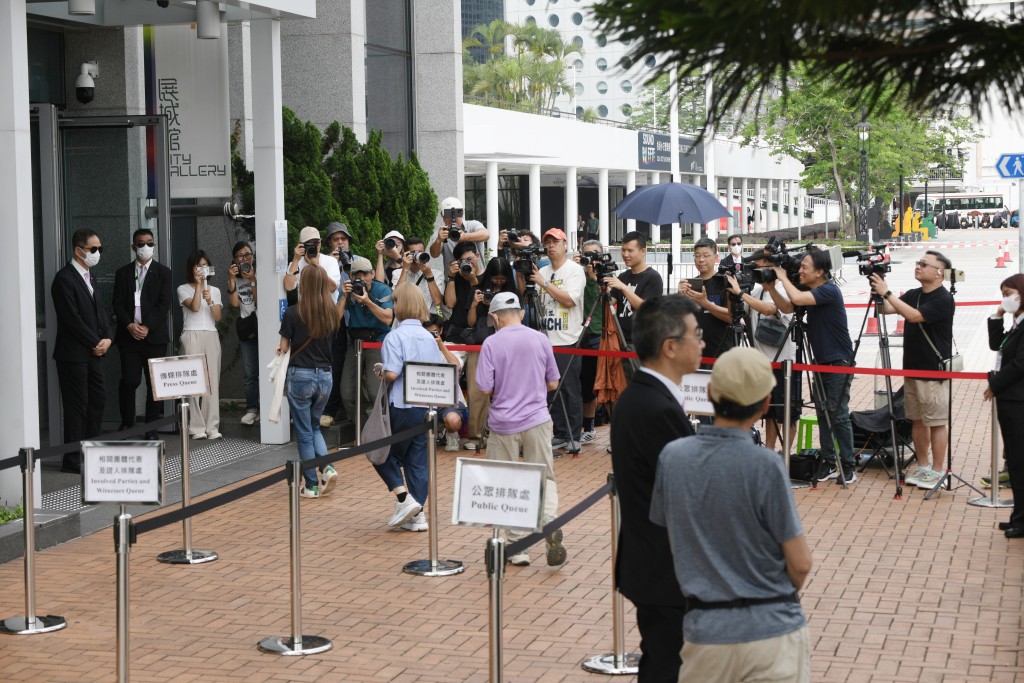
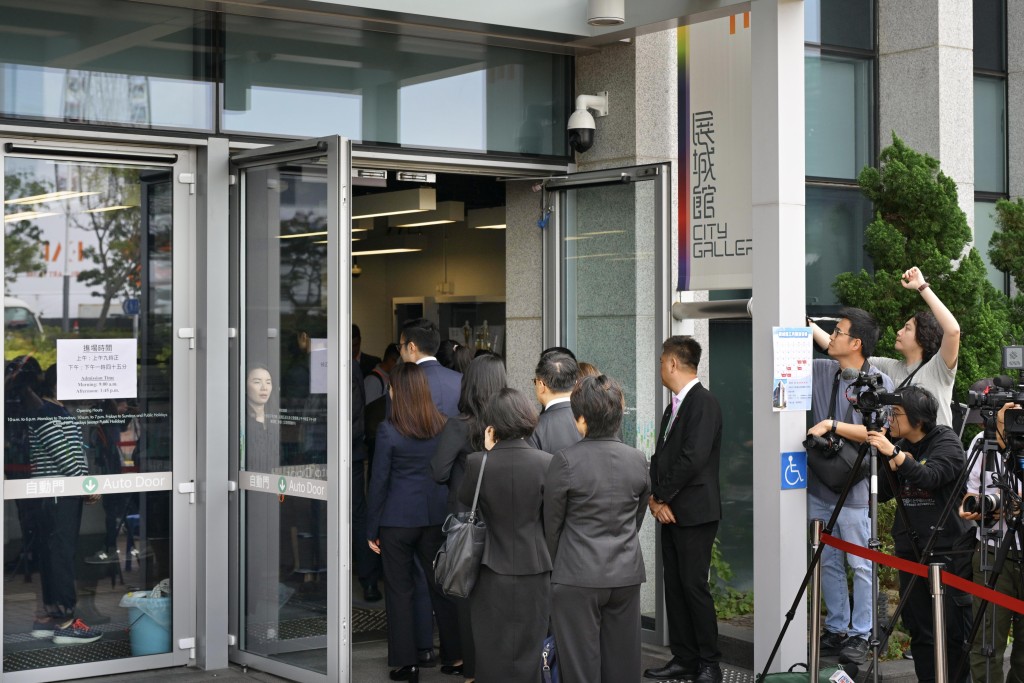
Meanwhile, Maurellet noted that testimony and millions of documents disclosed during the public hearings into the inferno could be used for future civil and criminal proceedings.
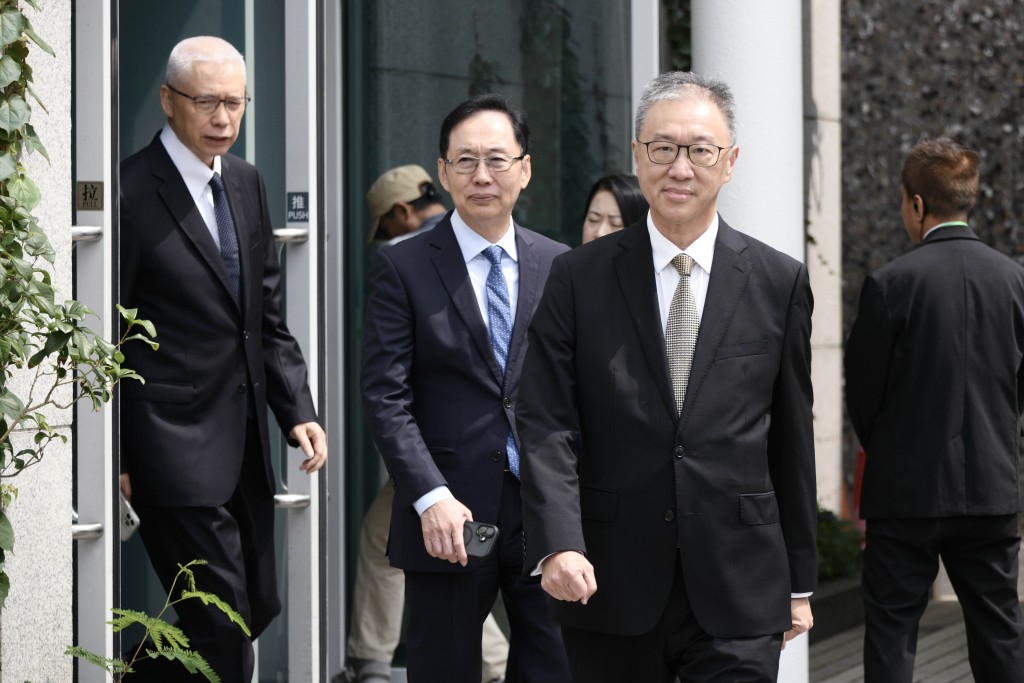
While declining to comment on specific details, he noted that around 26 bar association members are involved in the hearings—a figure that potentially represents a historical high for a single commission of inquiry in the city.
Addressing concerns that the hearings’ structure might impede the search for truth, he defended the current format, in which the legal representatives for the committee lead the questioning.
He explained that this is a common practice, adding that the committee’s legal team is tasked with exploring the incident from multiple perspectives and layers, rather than representing a single interested party. Representatives of other stakeholders are also allowed to pose questions.
Regarding concerns that time limits imposed on residents returning to their units to retrieve belongings may contravene the Basic Law’s protection of private property rights, Maurellet said the fire was an exceptional incident, and that authorities have struck a balance between public safety and safeguarding private property.
He also weighed in on the government’s proposal to acquire ownership of all flats in the seven fire-ravaged blocks. He noted that in Hong Kong’s capitalist framework, property transactions typically require mutual consent between buyer and seller.
The judiciary would primarily examine whether the acquisition offer is fair and reasonable, particularly as to whether the offered price aligns with market value. Typically, a threshold of 75 percent owner support is required. Any lower approval rate would be more vulnerable to legal challenges.