Read More



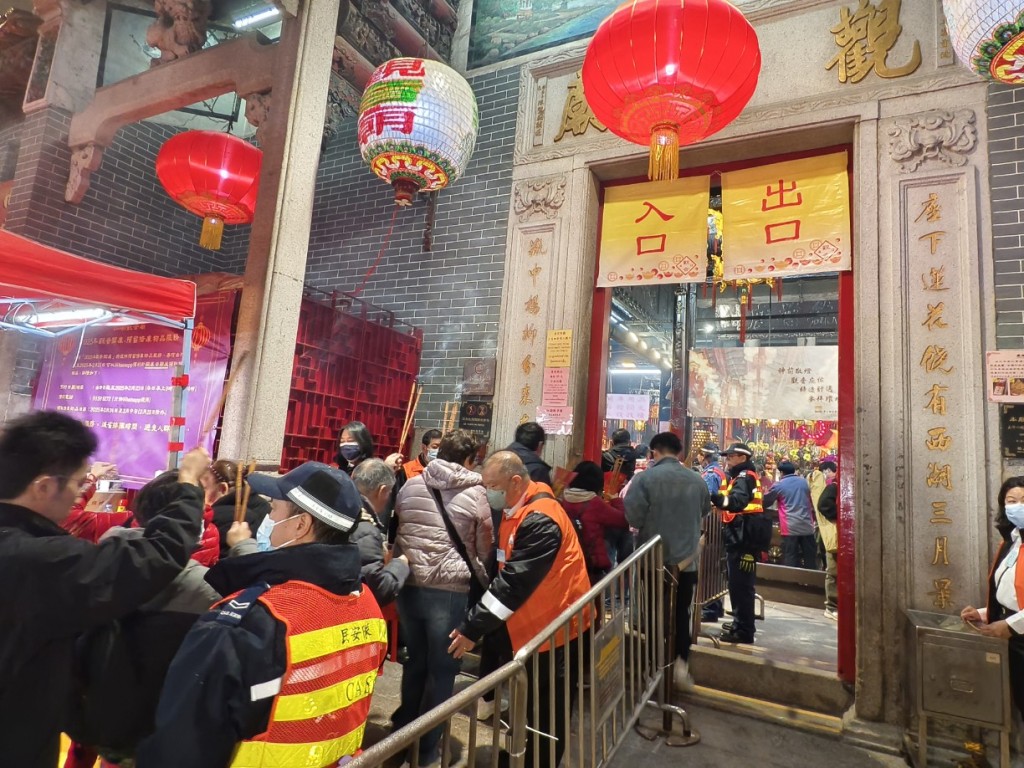
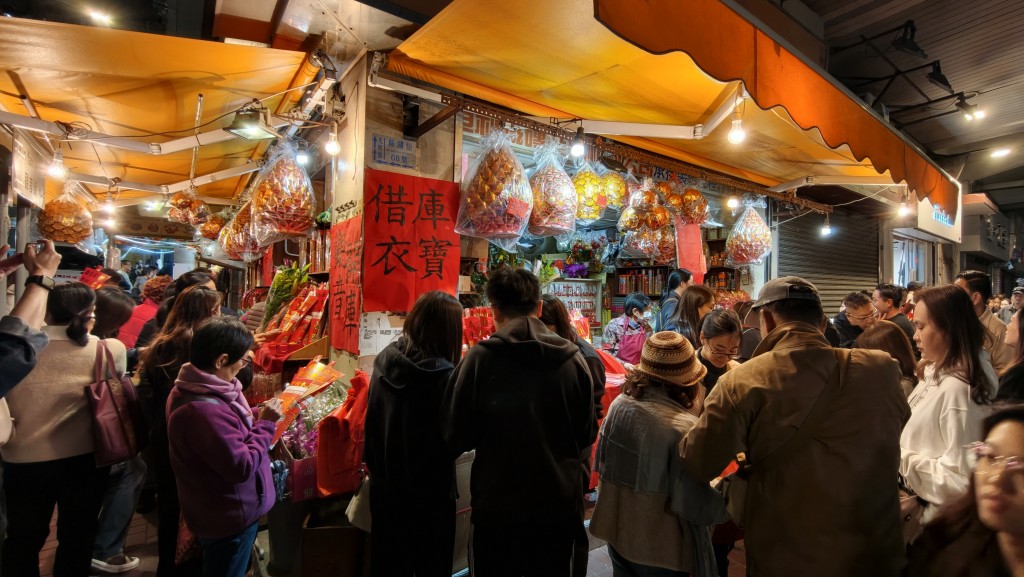
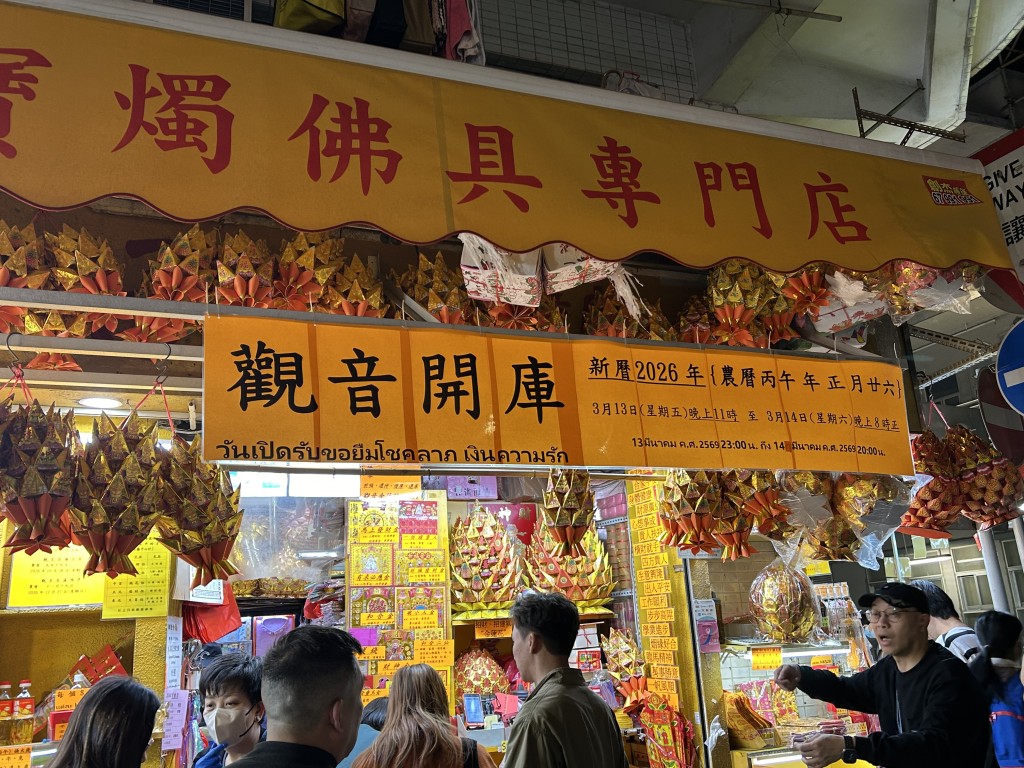
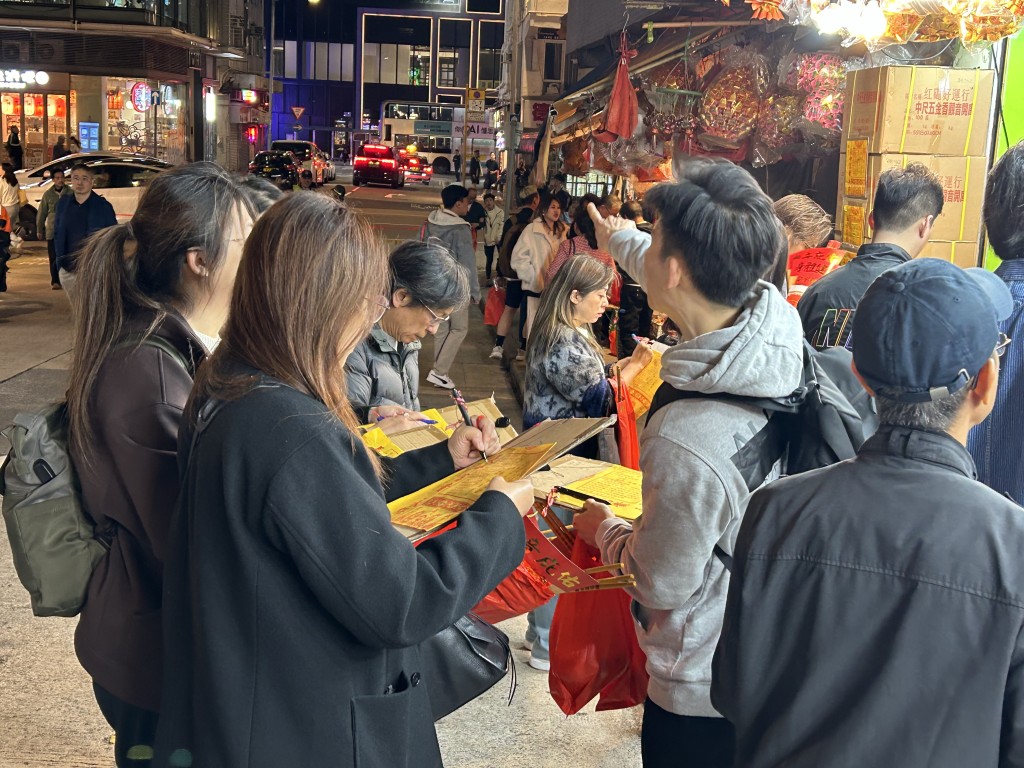
Worshippers were seen gathered at major Kwun Yum temples from the Zi hour (11pm) on Friday to seek divine blessings and good fortune for the year ahead as the Kwun Yum Treasury Opening Festival takes place on the 26th day of the first lunar month.
Rooted in traditional folklore, the 26th day of the first lunar month marks the day Kwun Yum, the Goddess of Mercy, opens her divine treasury to grant blessings to devotees.
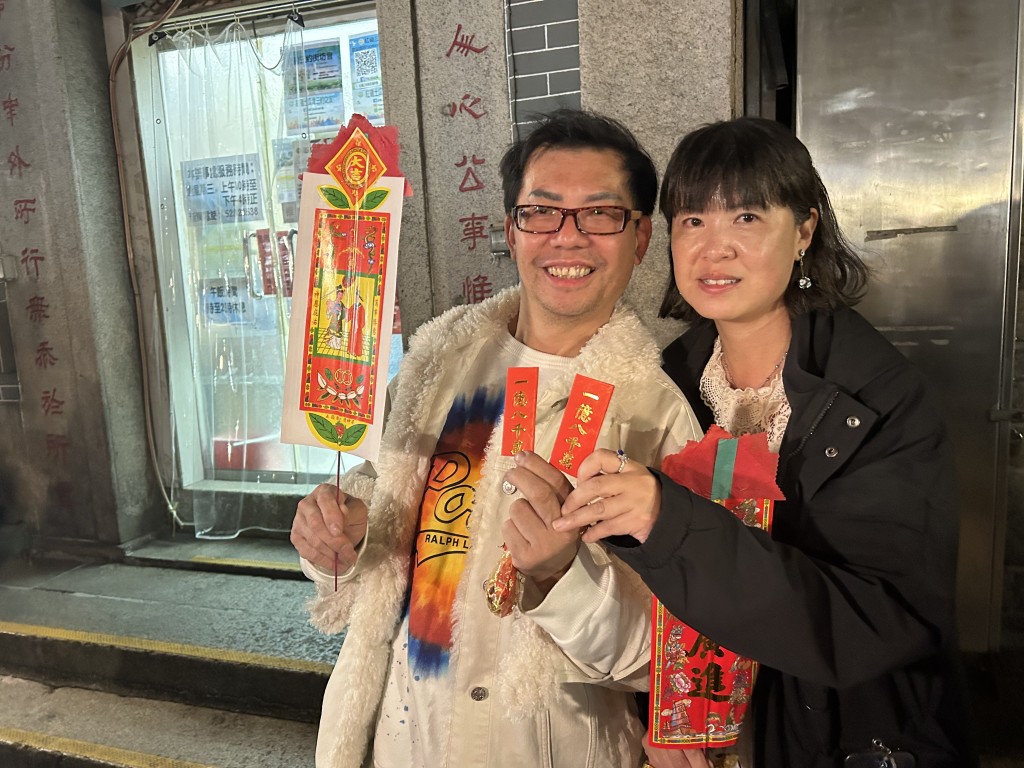
Worshippers bring offerings including incense sticks and candles, paper clothing offerings dedicated to Kwun Yum to pay homage at the temples. The core ritual involves collecting a red packet inscribed with a symbolic monetary amount from the “gold and silver treasury” onsite – a practice referred to as “borrowing from the treasury.”
A cornerstone of the custom is the principle of “borrowed must be returned”: devotees are expected to return to the temple the following year before the next ceremony to offer thanks and fulfill their “repayment” to the deity, a vital part of upholding the traditional ritual.
While each temple operates slightly different treasury formats, candle sets and symbolic denominations, two universal rules govern the practice across all venues.
First, the ceremonial candle and incense sets serve a purpose far beyond financial luck – they are primarily intended to invoke peace, good fortune and protection from misfortune. Second, strict adherence to the “borrow and repay” tradition is required. The amounts on the red packets (typically HK$30 million–HK$1 billion) are symbolic only—auspicious tokens of blessing, not real money.
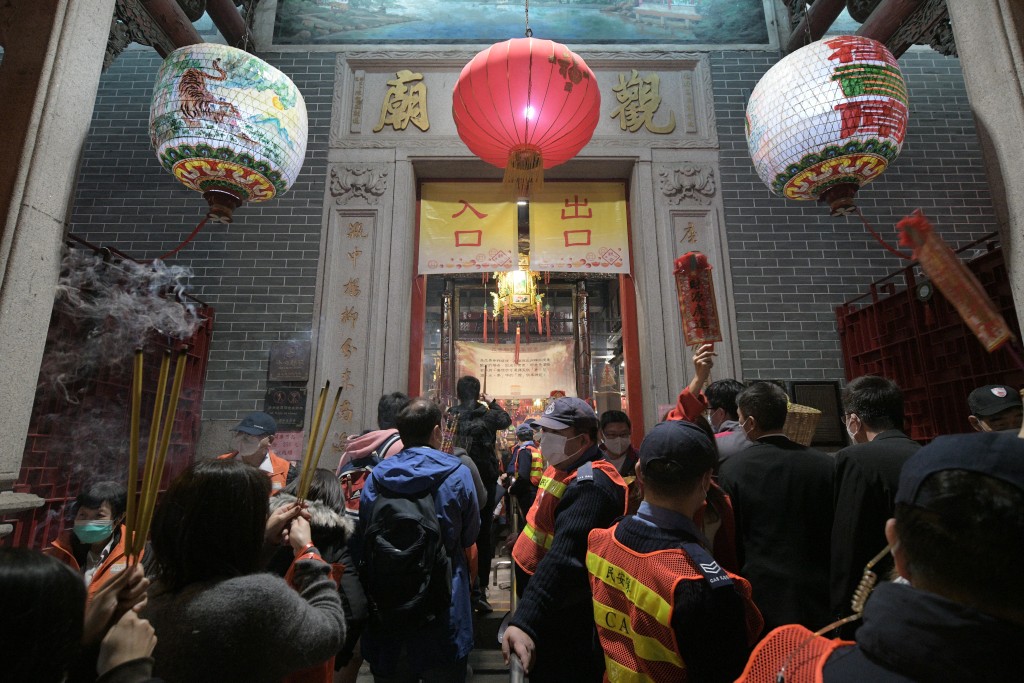
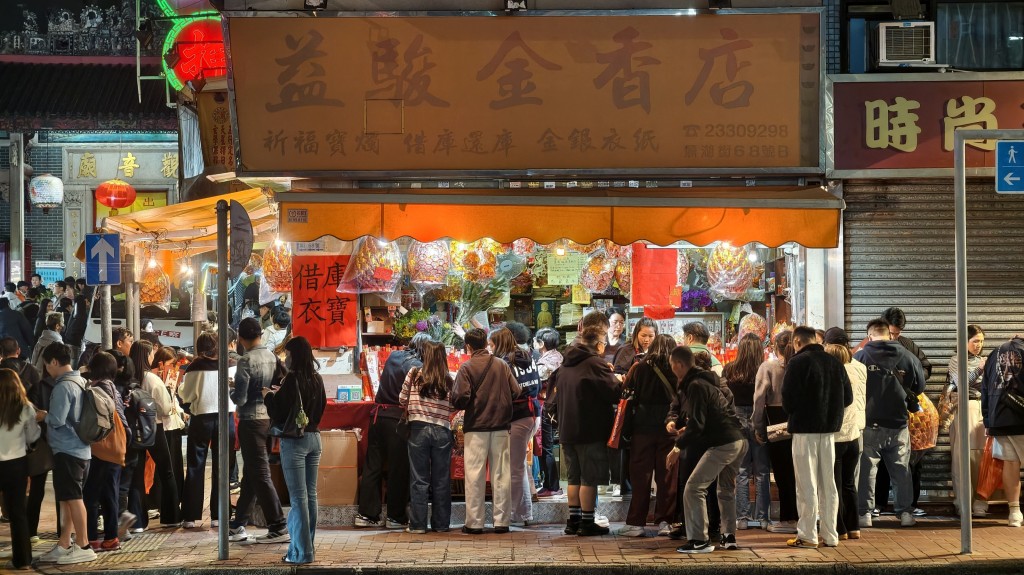
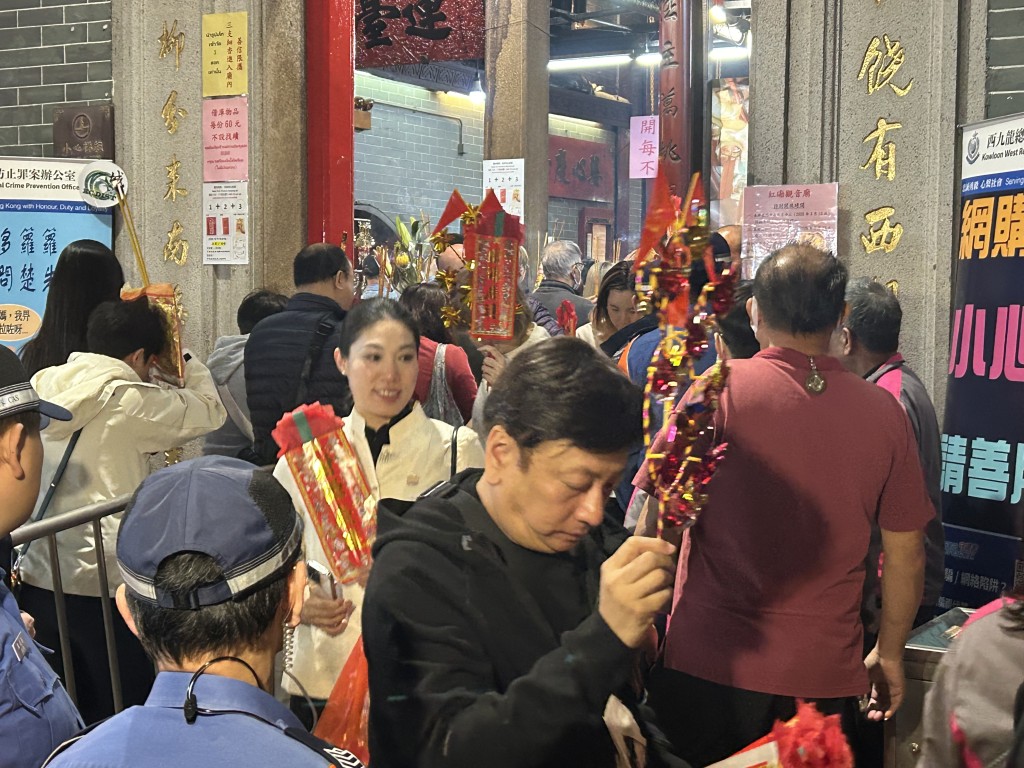
To ensure public safety and maintain orderly crowds, all participating temples have enforced strict guidelines for devotees. Each worshipper is only permitted to carry 3 thin joss sticks, with a maximum diameter of 0.8 centimeters and length not exceeding 50 centimeters.
At Hung Hom Kwun Yum Temple and Tai Hang Lin Fa Temple, incense lighting is strictly limited to designated outdoor areas; no incense may be lit inside the temple premises.
Candle lighting and the burning of ceremonial paper offerings are prohibited within all temple grounds.
As the most popular venue for the ritual, Hung Hom Kwun Yum Temple has implemented enhanced crowd management and traffic measures during the peak period until 8pm on Saturday.
Police launched phased temporary road diversions and closures near the temple starting at 4pm on March 13, covering Station Lane, Walker Road, Kwun Yam Street and Ping Chi Street. Motorists are advised to follow on-site signage and police instructions to avoid disruptions.
A dedicated zone has been set up on the pavement outside the Hong Kong Examinations and Assessment Authority (HKEAA) building adjacent to the temple, providing seating for seniors aged 70 and above, individuals with mobility impairments and other vulnerable attendees. Those in need can approach on-site police officers for priority queue assistance.
Full list of 14 participating temples and opening hours