Hong Kong launched its first-ever Action Plan on Weight Management to mark World Obesity Day Wednesday, unveiling five key directions and 15 objectives to promote healthier living citywide.
The three-year initiative, developed by a cross-departmental task force established last October, aims to integrate weight management into everyday life through public education, enhanced medical services, and environmental changes.
The Working Group will roll out measures in phases according to annual themes and regularly monitor progress against specific key performance indicators to ensure the plan's comprehensive and effective execution.
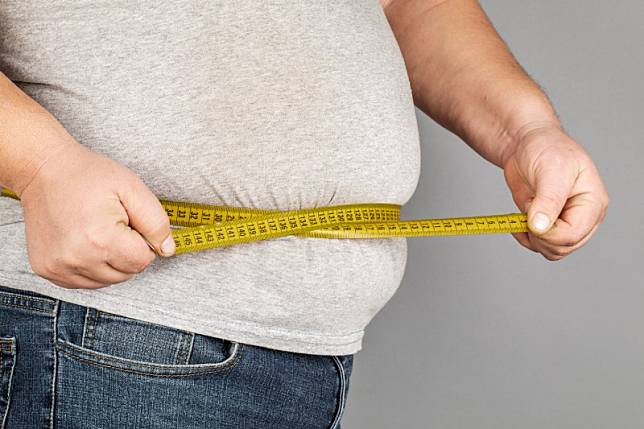
Key measures include promoting awareness of healthy weight, strengthening healthcare service delivery, and installing body measurement devices with clear usage guidelines in public spaces to encourage regular self-monitoring.
Edwin Tsui Lok-kin, controller of the Centre for Health Protection, stressed that obesity is a global concern, explaining the plan is based on scientific evidence. It establishes a systematic strategy that spans the entire life cycle and covers the entire social environment.
Describing the city’s primary healthcare system as the "gatekeeper," Tsui noted the plan will promote collaboration between Chinese and Western medicine and leverage the "e-Health" platform to help citizens manage their health data.
To incorporate healthy lifestyles into children's daily routines, the Education Bureau will integrate weight management and healthy living messages into the school curriculum through activities and home-school cooperation.
Additionally, the Leisure and Cultural Services Department will continue to promote its sports facilities and community programs, encouraging citizens to integrate recreational and sports activities into their daily lives.
According to the recommendations from the WHO's Western Pacific Region for Asian adults, a Body Mass Index (BMI) of 23 to 25 is classified as overweight, while a BMI of 25 or above is considered obese.
Alarmingly, data from the Department of Health's Population Health Survey for 2020-2022 indicate that more than half of Hong Kong's adult population is categorized as overweight or obese.