Read More





Night Recap - May 21, 2026
5 hours ago


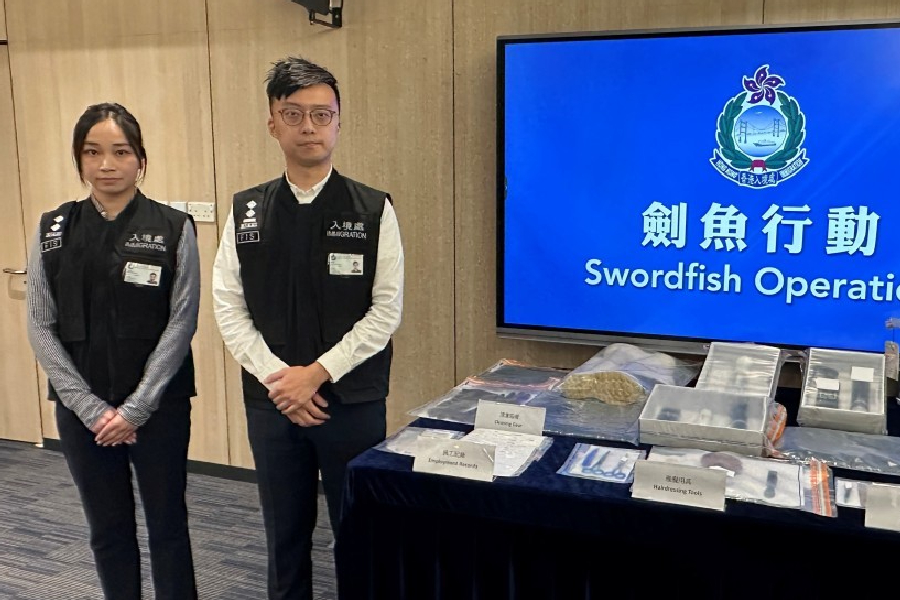
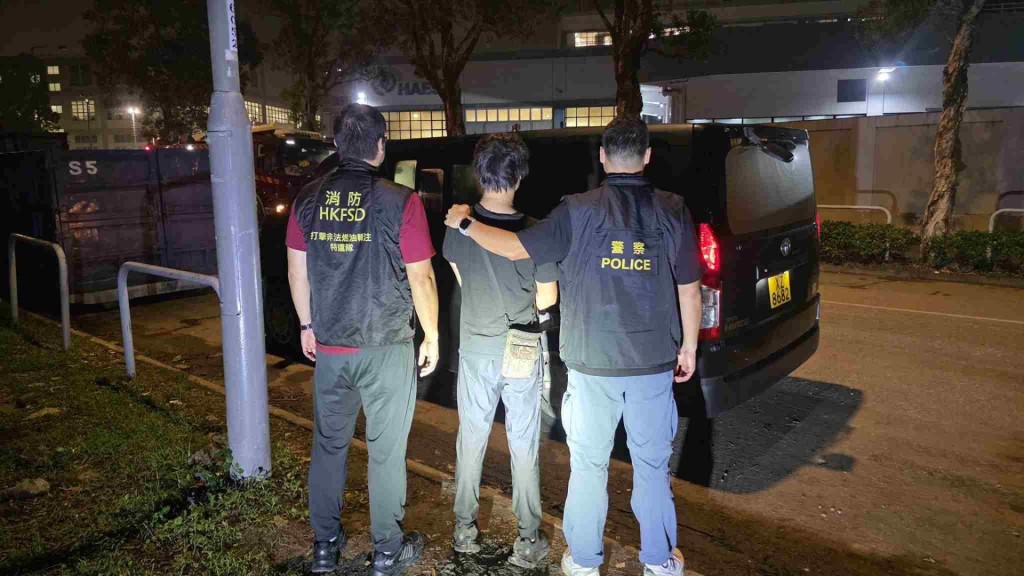
ImmD crackdown targets moonlighting domestic helpers arresting 17
19-05-2026 17:52 HKT



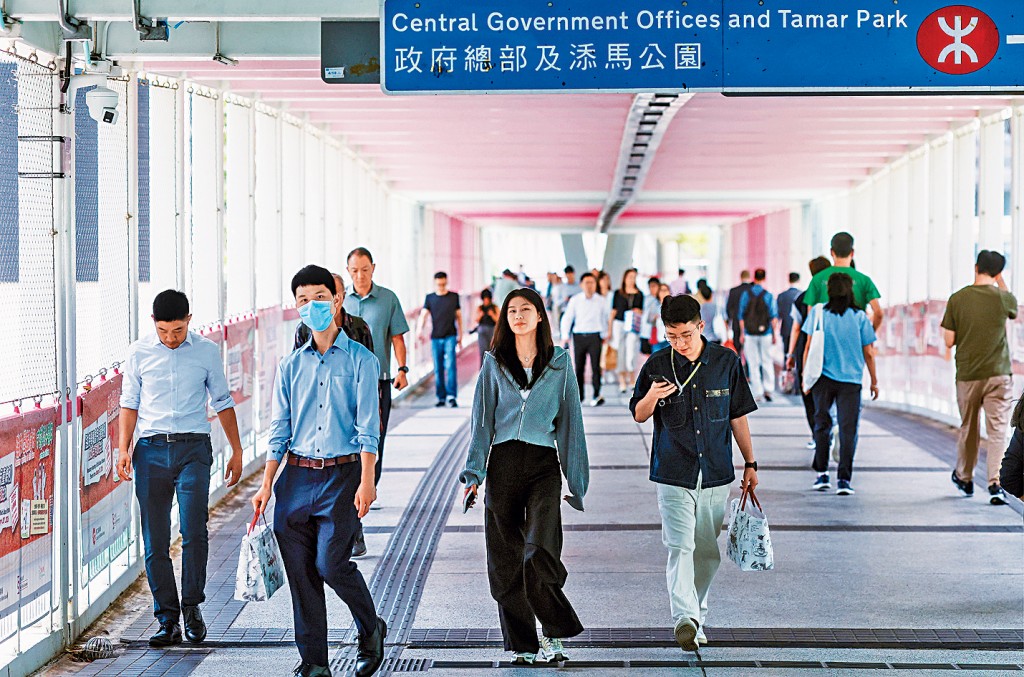
The government will reduce the civil service establishment by 2 percent annually over the next two financial years, on top of an existing headcount reduction that will see about 3,000 positions eliminated by the end of March, Secretary for the Civil Service Ingrid Yeung Ho Po-yan said on Tuesday.
Speaking at a Legislative Council Panel on Public Service meeting, Deputy Secretary for the Civil Service Shirley Lau Sze-mun said the government implemented Section 12 of the Public Service (Administration) Order in September 2013, establishing a streamlined mechanism to retire civil servants with consistently substandard performance in the public interest.
As of mid-January, notifications had been issued to 23 officers. Of these, four have been retired and two subsequently resigned. Four cases were deferred due to improved performance but remain under monitoring, while 13 cases are still pending.
Some officers had already resigned before their departments initiated the procedure, Lau said, adding that the streamlined mechanism has reduced the average processing time from 31 months to 10.5 months.
On the establishment of a Heads of Department Accountability System, Lau said initial investigations will be conducted by department heads, while serious cases will be handled by the Public Service Commission.
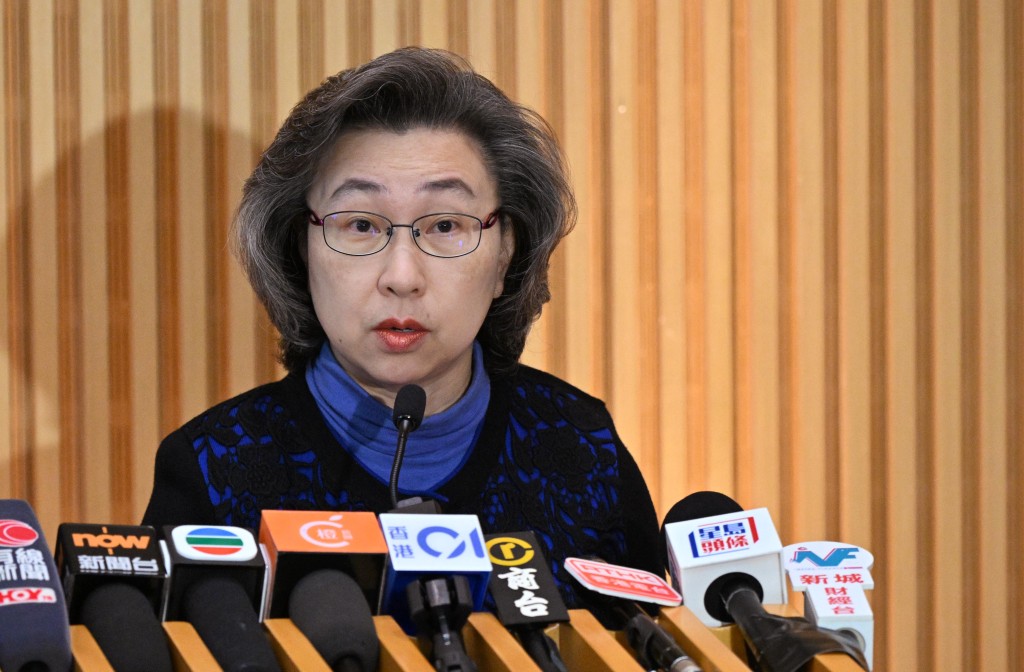
She said the Civil Service Bureau is drafting subsidiary legislation under the Public Service Commission Ordinance to empower the commission to conduct second-tier independent investigations under the accountability system. The legislation is expected to be submitted to the Legislative Council in the first half of this year.
Lau added that the bureau is also enhancing the civil service performance appraisal system, with work underway to better differentiate performance levels. Related measures are expected to be rolled out this year.
The government has implemented a zero-growth policy for the civil service establishment since 2021/22, capping the total size below the end-March 2021 level of about 196,000 posts. The establishment is projected to fall to around 193,000 by March 31, 2026, representing a cumulative reduction of about 3,000 positions.
To further optimize manpower use and control public expenditure, the establishment will be cut by 2 percent annually in 2026/27 and 2027/28. An estimated 10,000 positions will be trimmed by April 1, 2027, within the current government term.
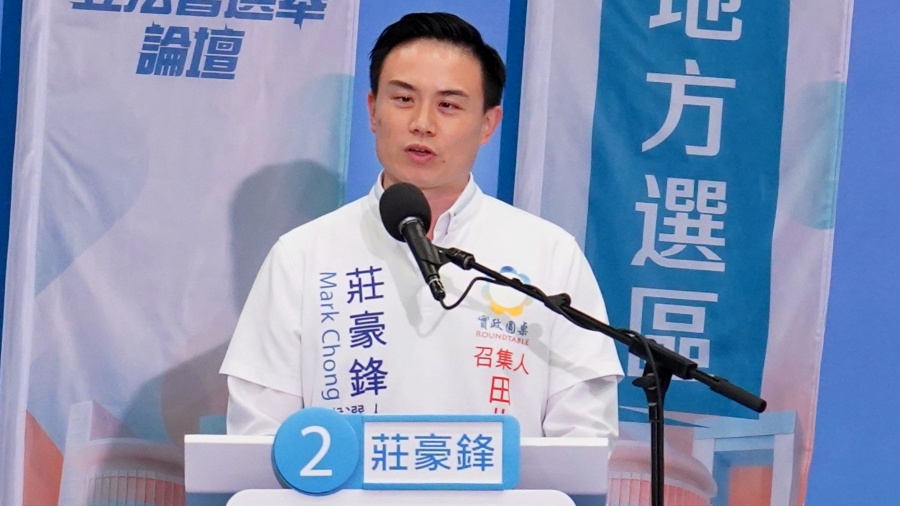
During the meeting, lawmaker Mark Chong Ho-fung raised concerns about civil service management, saying salary increments appear to have become routine, with very few staff denied pay rises due to unsatisfactory appraisals in recent years, potentially undermining incentives for rewarding excellence.
He asked whether the government would consider reforms to ensure that only around 80 percent of outstanding performers receive increments, while using the suspension of pay rises as a warning mechanism for underperformers.
Chong also stressed the importance of the accountability system to governance credibility, citing the government’s bottled water procurement scandal and calling for concrete measures to prevent department heads from claiming ignorance of problems.
In response, Yeung said salary increments differ from private-sector bonuses, as they reflect accumulated experience and corresponding improvement. Civil servants must receive a rating of “satisfactory” or above to qualify for an increment.
She said enhanced assessment mechanisms are being developed to better identify performance levels, and that lower ratings for underperforming staff are likely to result in no increments. A report on the enhancements is expected in the first half of the year.
Yeung added that the accountability system aims to optimize workflows and management through regular reporting and oversight by senior officials, and that past departmental issues may have stemmed from incomplete systems.
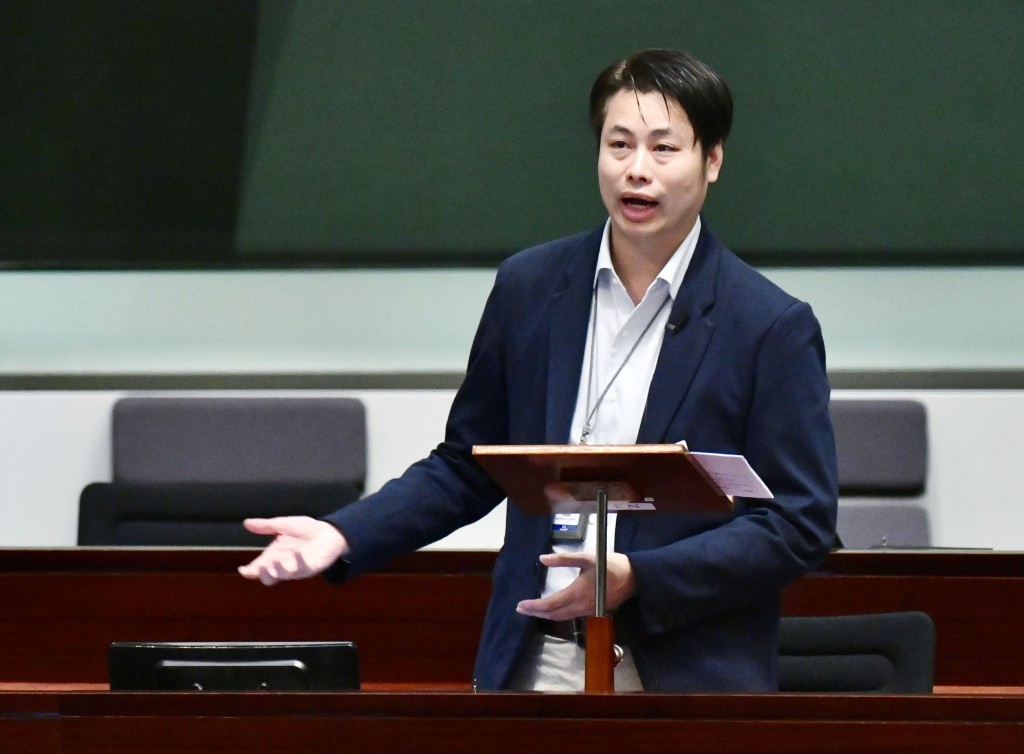
Meanwhile, lawmaker Steven Ho Chun-yin said the government should also pay attention to underperforming civil servants who are not nearing retirement, and called for greater transparency in annual reports regarding affected personnel.
Yeung said that for civil servants with persistent poor performance, the government can mandate retirement regardless of age, while still providing opportunities for final improvement. If performance does not improve, retirement can be enforced whether the individual is 35 or 55 years old.