Read More















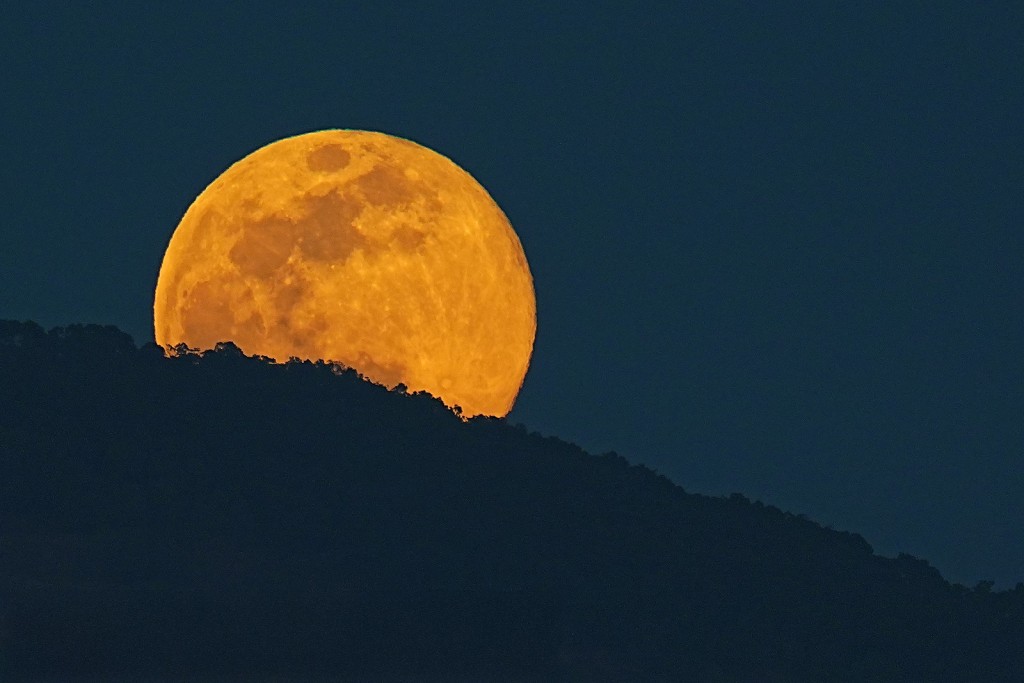
The first supermoon of 2026 appeared in the night sky last Saturday, with the Hong Kong Observatory explaining that the phenomenon made the full moon appear larger and brighter than usual.
In a social media post on Tuesday, the Observatory said the supermoon occurred as the moon reached its closest point to Earth, known as perigee, while coinciding with a full moon. This combination caused the moon to appear noticeably bigger and more luminous when viewed from Earth.
The Observatory explained that the phenomenon is linked to the moon’s elliptical orbit around Earth, which causes the distance between the two celestial bodies to vary. When the moon reaches perigee during a full moon phase, observers on Earth experience what is commonly referred to as a supermoon.

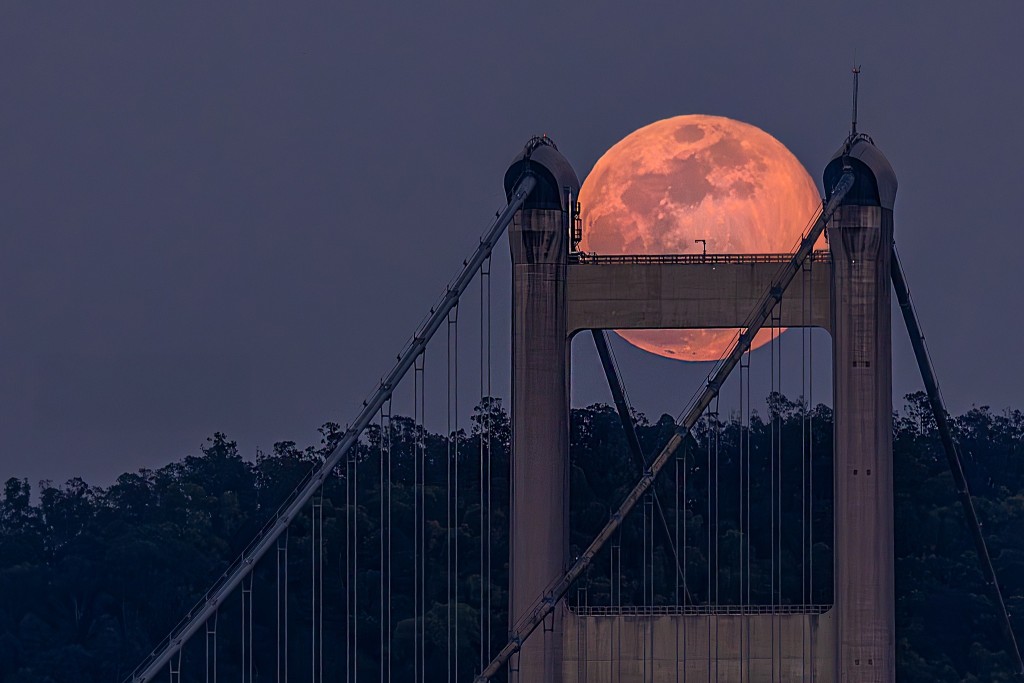
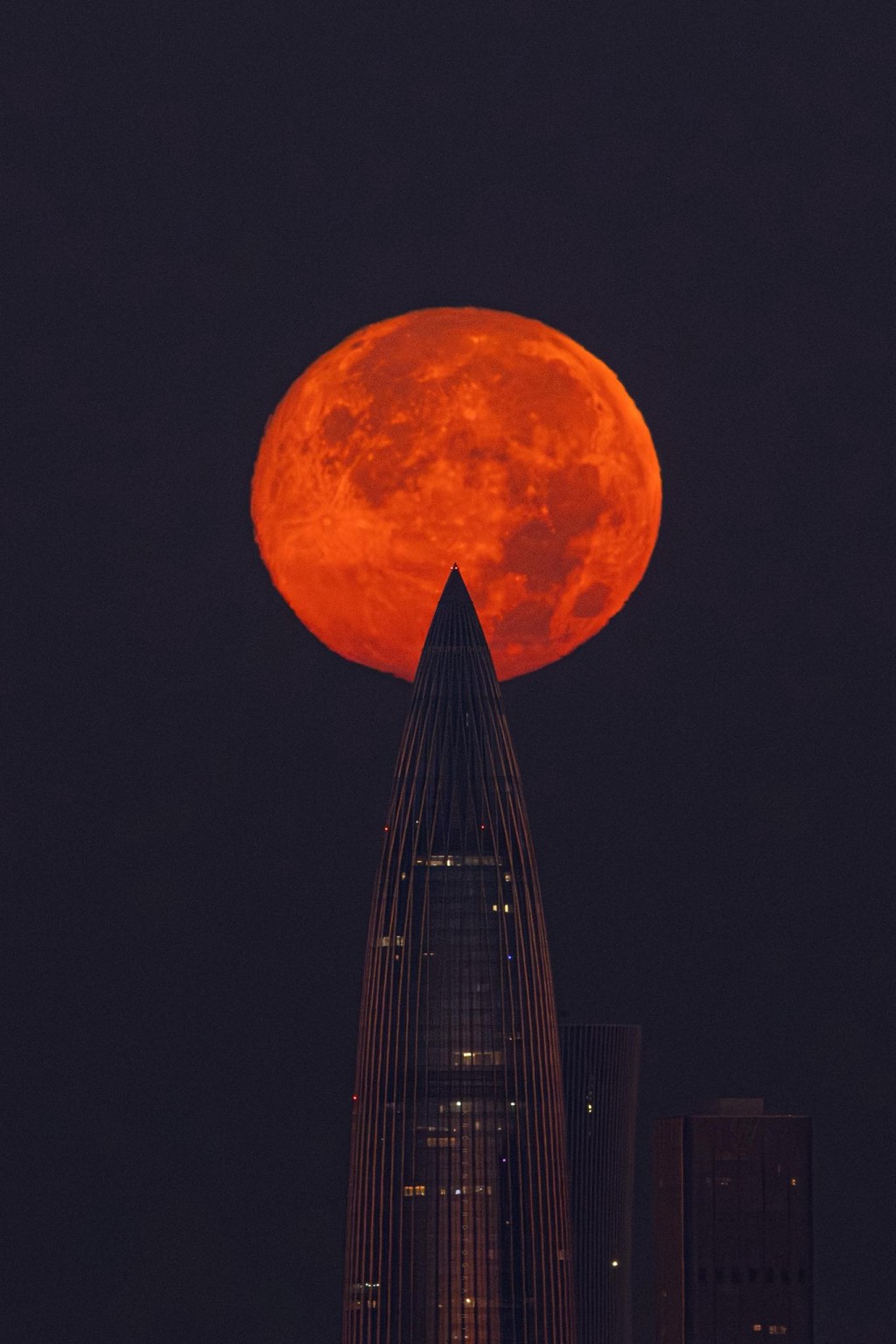
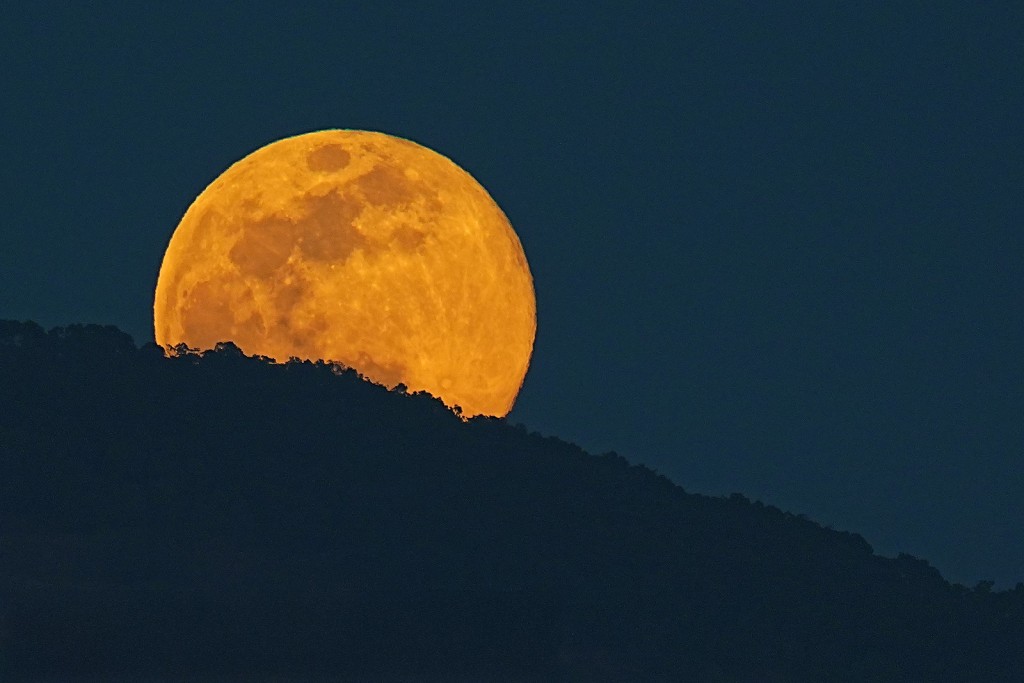
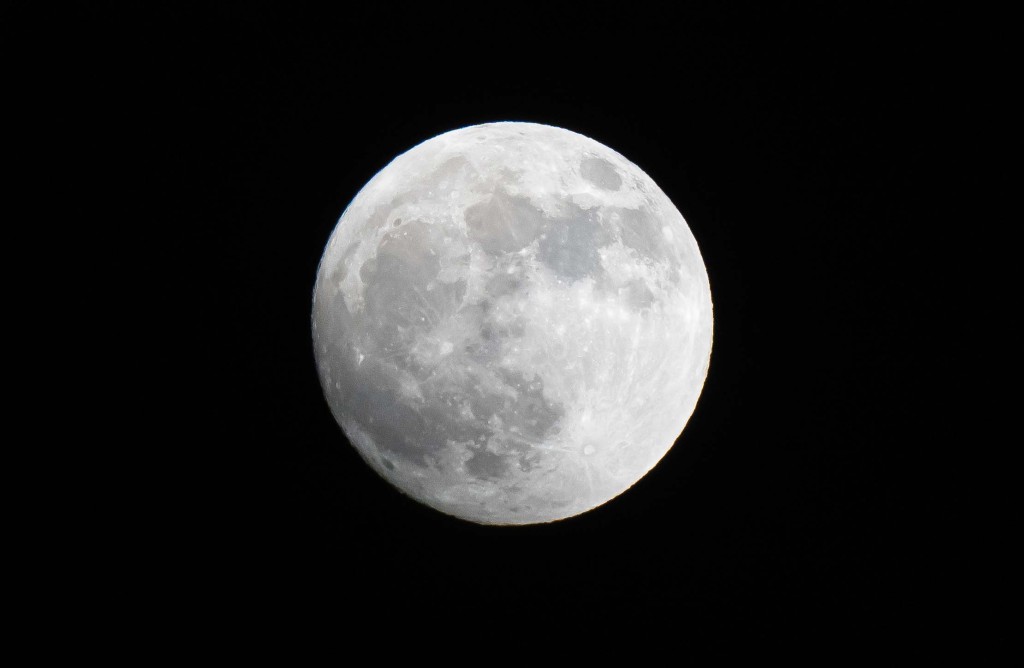
For photography enthusiasts hoping to capture the striking sight, the Observatory suggested using a telephoto lens. A longer focal length narrows the field of view, helping to create the visual effect of a larger moon, particularly when framed against distant landscapes or buildings.
While the supermoon has already passed, similar astronomical events are expected later in the year, offering skywatchers further opportunities to observe the moon at its most dramatic.