Read More






Night Recap - May 21, 2026
7 hours ago


ImmD crackdown targets moonlighting domestic helpers arresting 17
19-05-2026 17:52 HKT
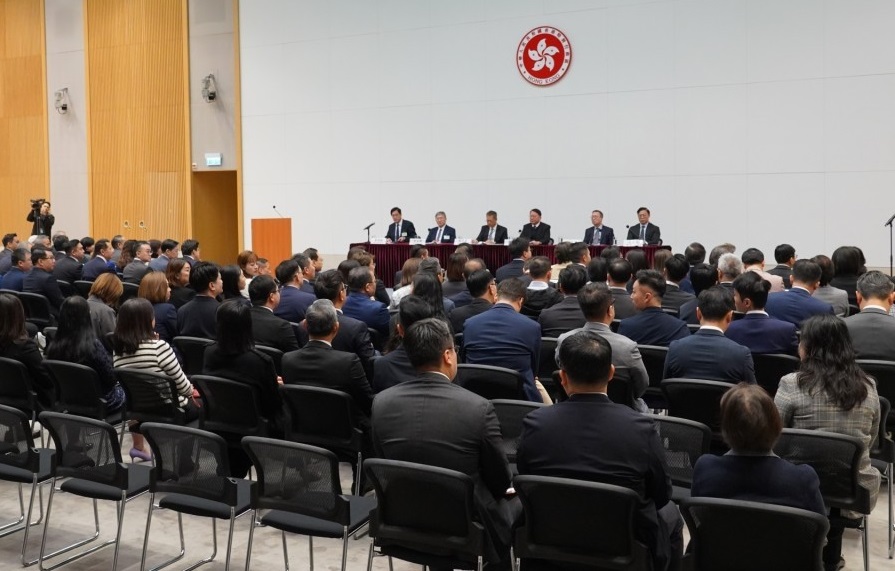
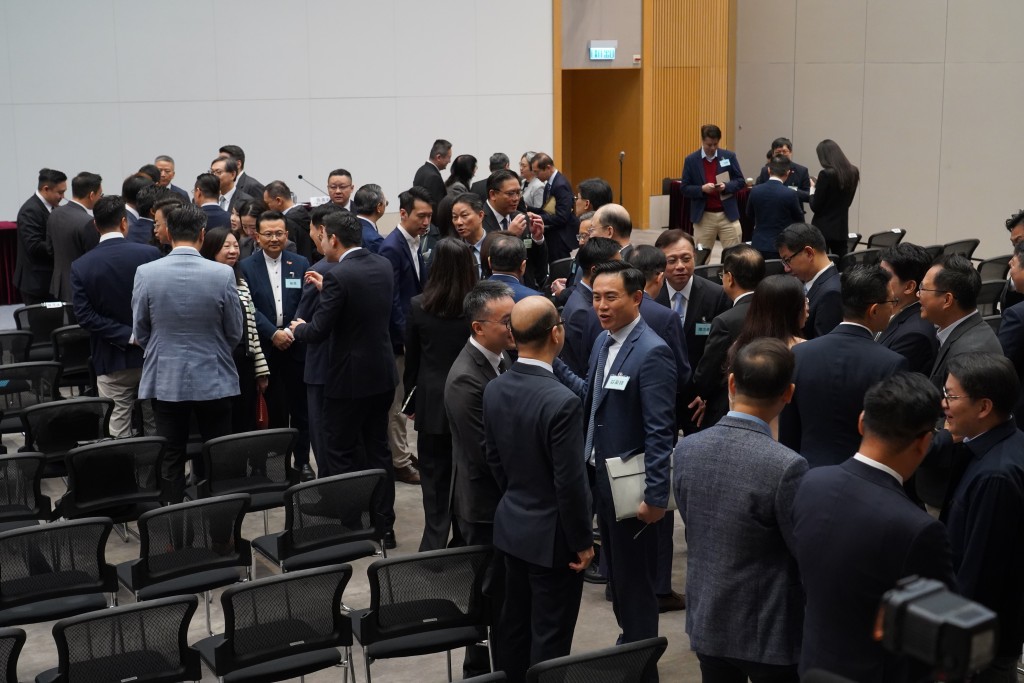
The SAR government held an exchange meeting with members-elect of the eighth Legislative Council at Government Headquarters on Wednesday, with more than 30 first-time lawmakers attending.
Chief Secretary for Administration Eric Chan Kwok-ki, Financial Secretary Paul Chan Mo-po, Secretary for Justice Paul Lam Ting-kwok, and three deputy chief secretaries — Michael Wong Wai-lun, Cheung Kwok-kwan, and Warner Cheuk Wing-hing — were among the senior officials present.
The meeting was attended by around 70 members-elect, as well as 15 bureau heads, deputy secretaries, and permanent secretaries. More than 30 of the participants were newly elected legislators.
In his opening remarks, Chan Kwok-ki said the exchange focused on strengthening executive-legislative relations and promoting economic development, while outlining the government’s expectations for the new term of the Legislative Council. He also called on members-elect to actively offer views and proposals for the upcoming Budget.
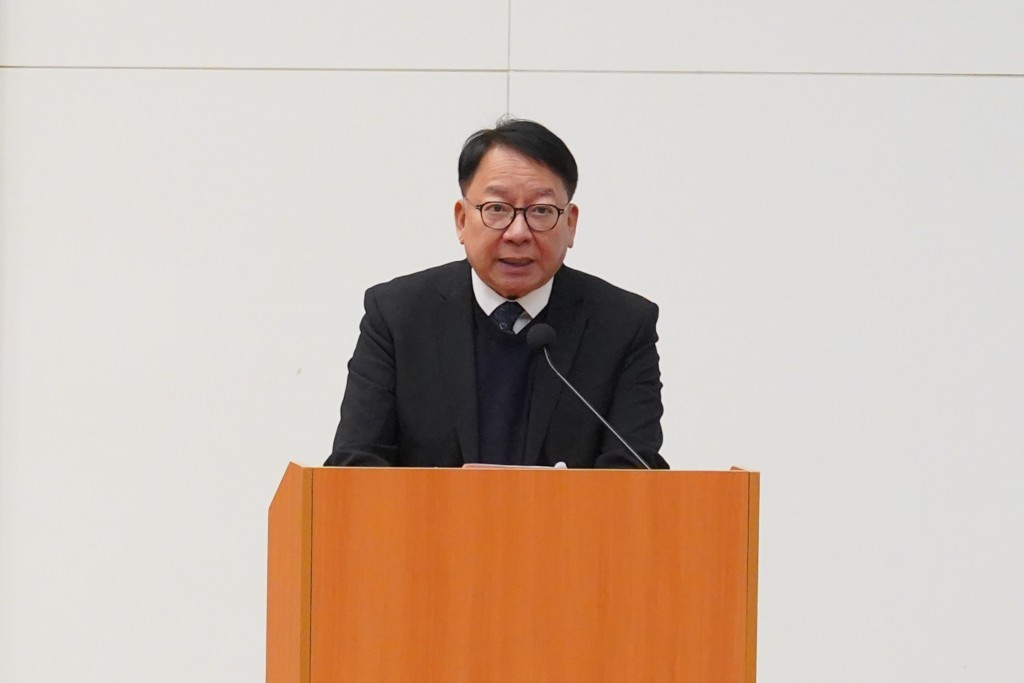
Chan said healthy interaction between the executive and the legislature is fundamental to achieving good governance and advancing Hong Kong’s development. He noted that the seventh Legislative Council, formed after the improvement of the electoral system, had set a positive example in this regard.
He said Hong Kong is at a critical juncture as it aligns with the national 15th Five-Year Plan and moves from stability toward long-term prosperity.
Recent briefings by the central authorities on the spirit of the Fourth Plenary Session of the 20th Central Committee have further clarified Hong Kong’s unique role and responsibilities in national development, he added.
Chan said President Xi Jinping, during Chief Executive John Lee Ka-chiu’s duty visit to Beijing, had emphasized the need for the Hong Kong government to proactively align with national strategies, uphold executive-led governance, promote high-quality economic development, and deepen participation in the Guangdong-Hong Kong-Macao Greater Bay Area.
“How we translate this grand blueprint into tangible development outcomes hinges on our ability to build consensus and pool collective wisdom,” Chan said, adding that executive-legislative relations therefore play a crucial role.
To foster constructive interaction between the executive and the legislature, Chan said the government has established multi-level and diversified communication platforms. These include interactive exchange sessions led by the chief executive focusing on macro-level strategies, allowing lawmakers to offer views on long-term development, as well as “front hall” exchanges centered on specific policy areas, where officials and LegCo panels engage in in-depth discussions in smaller groups.
“We hope that by engaging members-elect at an early stage, we can build consensus during the policy formulation process and ensure that governance better reflects public aspirations,” Chan said.
He said such arrangements allow professional expertise from legislators to be incorporated at the initial stage of policy design, making policies more grounded and implementable.
He added that the Chief Executive announced in the 2025 Policy Address the establishment of multiple task forces led by bureau secretaries and deputy secretaries to further strengthen policy coordination.
Financial Secretary Paul Chan has launched public consultation for the 2026–27 Budget, and Chan Kwok-ki said the process is not only the government’s most important fiscal exercise of the year but also a key opportunity for joint planning with society, particularly the Legislative Council, on Hong Kong’s development in the coming year.
“We are fully aware that challenges and opportunities coexist,” Chan said. In the face of external economic uncertainties, he said the next Budget will focus on how Hong Kong can further broaden and deepen its economic development, accelerate the nurturing and application of innovation and technology to unleash new productive forces, and speed up the optimization of industrial structures so that traditional strengths and emerging industries can advance in parallel while creating quality jobs.
Chan urged members-elect to contribute proposals based on their professional backgrounds, including in areas such as finance and insurance, headquarters economy, attracting key enterprises, green transformation of small and medium-sized enterprises, and the digital economy.
“The Financial Secretary and his team will give serious consideration to your views and hope to have more in-depth exchanges with you,” Chan said, adding that the aim is to formulate a Budget that is both prudent and forward-looking for Hong Kong’s future.