





Read More





Morning Recap - September 22, 2026
8 hours ago



John Lee and CY Leung lead pallbearers for Tung Chee-hwa
20-09-2026 15:54 HKT


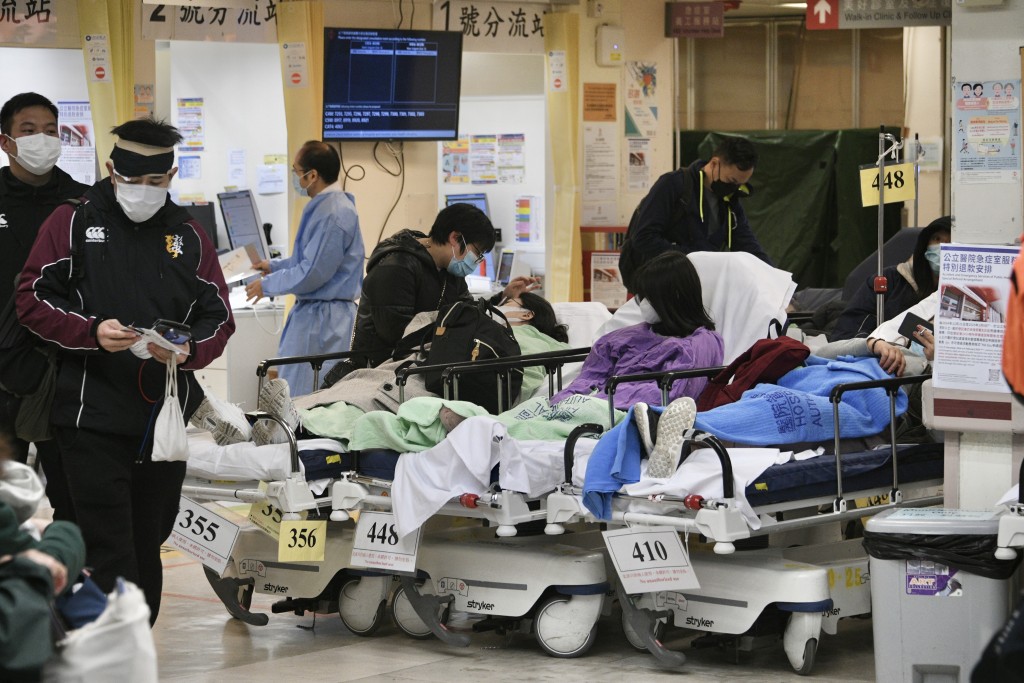
Public hospitals will more than double their accident and emergency (A&E) service fees to HK$400, while family medicine clinics will raise dressing and injection charges to HK$50, under a public healthcare fees and charges reform set to take effect on January 1, the government announced on Tuesday.
Speaking to the media, officials said charges for A&E services and family medicine outpatient services will be adjusted as part of the reform aimed at optimizing the use of public healthcare resources.
Under the new arrangement, the A&E service fee will increase from HK$180 per visit to HK$400. Patients classified as Category I (critical) and Category II (emergency) will be exempt from payment without the need to apply.
For family medicine clinic services, dressing or injection fees will rise from HK$19 per attendance to HK$50.
Non-emergency radiology imaging and pathology testing services will shift from being fully free to a tiered model, in which basic services remain complimentary, while intermediate and advanced services will incur charges.
The government said family doctors will explain in detail the necessity of any chargeable items when they assess that a patient’s condition is more complex, to ensure patients understand the associated costs.
Officials added that despite the fee adjustments, public healthcare services will remain highly subsidized. Refund procedures will also be standardized, allowing patients with stable or less severe conditions to seek treatment at other healthcare facilities.
Patients who are triaged and leave the A&E department before consultation may request a refund within 24 hours of registration through the HA Go app or at A&E registration counters. Eligible patients will receive a refund of HK$350 within one month.
Addressing questions about the partial refund, authorities said the retained HK$50 would help cover basic wound care and consultation costs required for proper patient triage.
Meanwhile, family medicine outpatient services will implement a “pay first, collect medication later” arrangement. Patients will be required to pay for medications at shroff counters, through the HA Go app, or via one-stop electronic kiosks before proceeding to the pharmacy or submitting a prescription through HA Go to obtain a queue number.
Patients may then collect their medications at the pharmacy or opt for a drug delivery service. Authorities said the new arrangement is expected to help reduce waiting times for patients.