Read More




Night Recap - September 21, 2026
1 hour ago






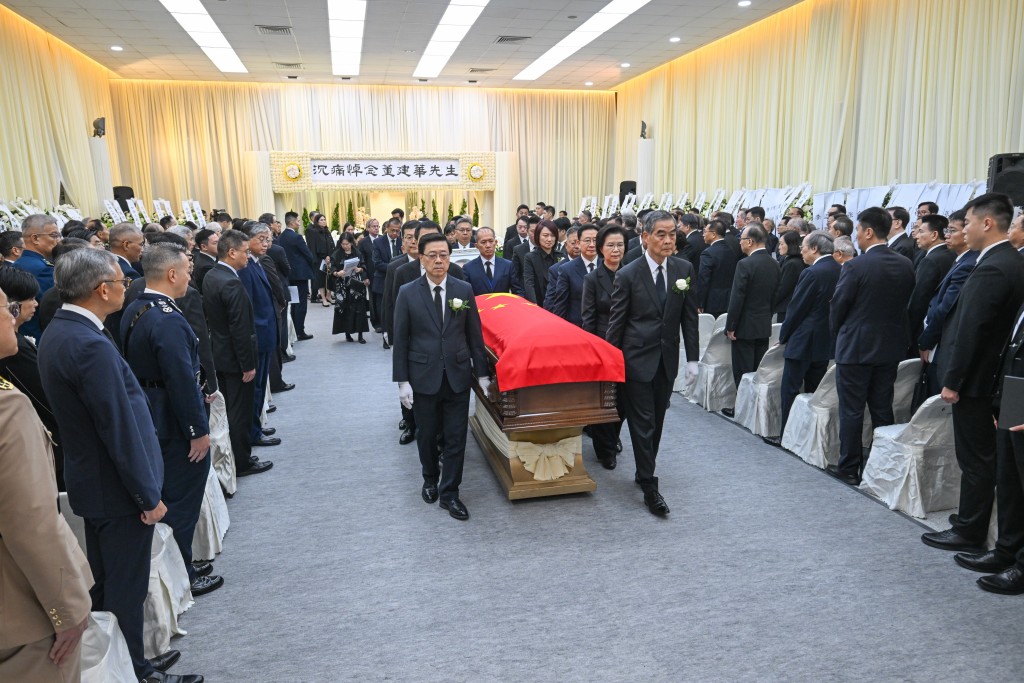
John Lee and CY Leung lead pallbearers for Tung Chee-hwa
20-09-2026 15:54 HKT
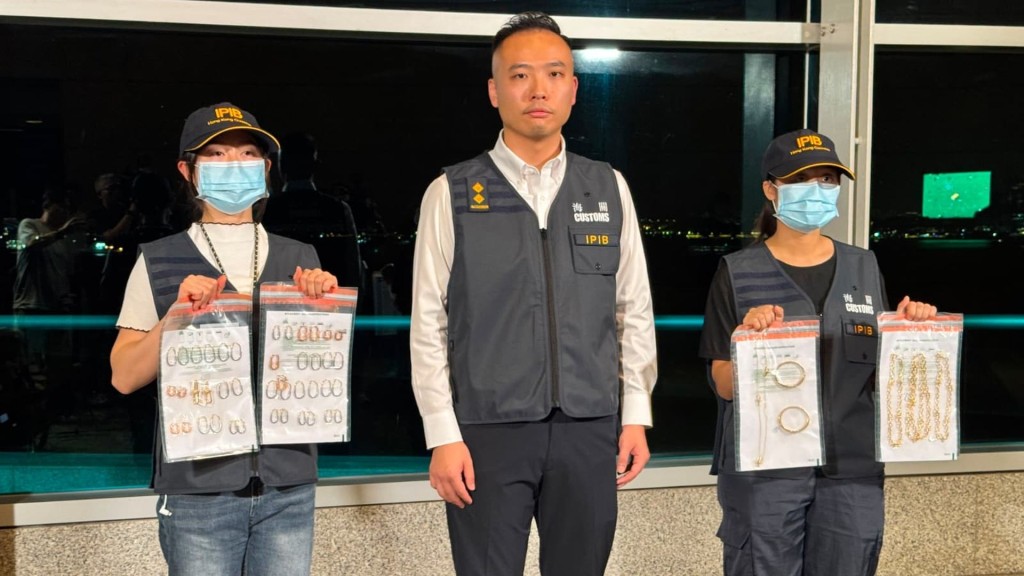






Town Health International Medical Group Limited (3886), through the Town Health Charity Foundation, will donate Pfizer’s 20-valent pneumococcal conjugate vaccines (PCV20) to the Tung Wah Group of Hospitals.
Chairman and chief executive officer Karson Choi Ka-Tsan said the initiative aims to support vulnerable groups, strengthen medical community donations, and advance preventive healthcare to improve overall public health.
This donation echoes the Health Bureau’s Primary Healthcare Blueprint, encouraging a shift from “treatment-based” to “prevention-oriented” healthcare and building a stronger primary care protection network.
Town Health will leverage its medical centers across Hong Kong to facilitate vaccination access. Tung Wah Group, the main community partner, will distribute the vaccines and identify suitable recipients.
Choi emphasized that pneumococcal infection is a major public health threat, especially for seniors and high-risk groups. Town Health has introduced Pfizer’s single-dose PCV20 to enhance respiratory protection and raise awareness of preventive vaccination.
He noted that one dose provides protection against 20 serotypes, making vaccination more efficient and accessible. He urged seniors and high-risk individuals to get vaccinated for broader protection.
Chan Chun Hong, chief operating officer of Town Health Medical Group, said the first phase will donate 200 doses to Tung Wah Group, with further arrangements based on demand. This phase is expected to last about three months.
Chan added that the Town Health Charity Foundation is funded internally without external fundraising. The PCV20 donation marks the first step: “Looking ahead, as the Group’s performance improves, the Foundation can expand and do more.”
Chan Lee, head of TWGHs K B Tam & W K Li Medical Centre (North Point), expressed gratitude to Town Health and Pfizer for their commitment to community health.
She explained that the beneficiaries include high-risk individuals such as the elderly, patients with chronic illnesses, and those with weakened immunity.
The program also covers people facing financial difficulties, including recipients of the CSSA Scheme, the Enhanced Medical Fee Waiving Mechanism, the Disability Allowance, and the Work Incentive Transport Subsidy Scheme.
Recruitment of beneficiaries will be carried out through TWGHs service units, including hospitals and Chinese medicine clinics. Applicants do not require a doctor’s referral and may contact service units via phone or the organization’s website. Upon receiving appointments, eligible individuals will be invited to receive vaccinations at two medical centers located in Kowloon and Hong Kong Island.
The vaccination process will begin with a free medical consultation to assess health conditions and confirm eligibility as high-risk or financially assisted individuals. A vaccination card will be issued for record-keeping upon completion. The entire process is free of consultation fees, with vaccines donated by the Town Health Charity Foundation. The program is expected to commence in January next year.
Nicholas Chan, commercial lead of Pfizer Hong Kong and Macau, shared the view and emphasized that pneumococcal disease places a significant healthcare burden for Hong Kong and believes that Streptococcus pneumoniae serotype protection is essential.
He hopes that this donation will enhance public understanding of pneumococcal disease.
Winter is the peak season for pneumococcal infections, posing a threat to Hong Kong’s public health, especially affecting the elderly and vulnerable groups.
Vice Medical Director of Town Health, Alan Koo Chung-wai, reminded the public not to underestimate the threat of pneumonia.
He noted that, according to the latest Department of Health statistics, pneumonia is Hong Kong’s second deadliest disease.
In 2024, over 11,000 people in the city died from pneumonia—second only to cancer—and it is more lethal than heart disease and cerebrovascular disease.
Specialist in Respiratory Medicine Wong Kam-cheung said pneumococcus spreads through droplets or contact, has a short incubation period of one to three days, and early pneumonia symptoms such as fever and cough resemble influenza, making misdiagnosis easy.
Co-infection with influenza can occur, increasing diagnostic and treatment difficulty.
He said beyond causing milder illnesses like otitis media and sinusitis, pneumococcus can trigger severe complications in high-risk individuals, including invasive pneumonia, bacteremia, sepsis, or meningitis, with rapid deterioration and life-threatening risk.
Wong emphasized that vaccination is the most effective way to prevent pneumococcal infection, significantly reducing the risk of invasive disease and severe illness.
He added that treatment mainly relies on antibiotics, but growing antimicrobial resistance has greatly increased treatment difficulty – hence “prevention is better than cure” is especially crucial against pneumococcal infection.