Read More


Night Recap - June 12, 2026
14 hours ago
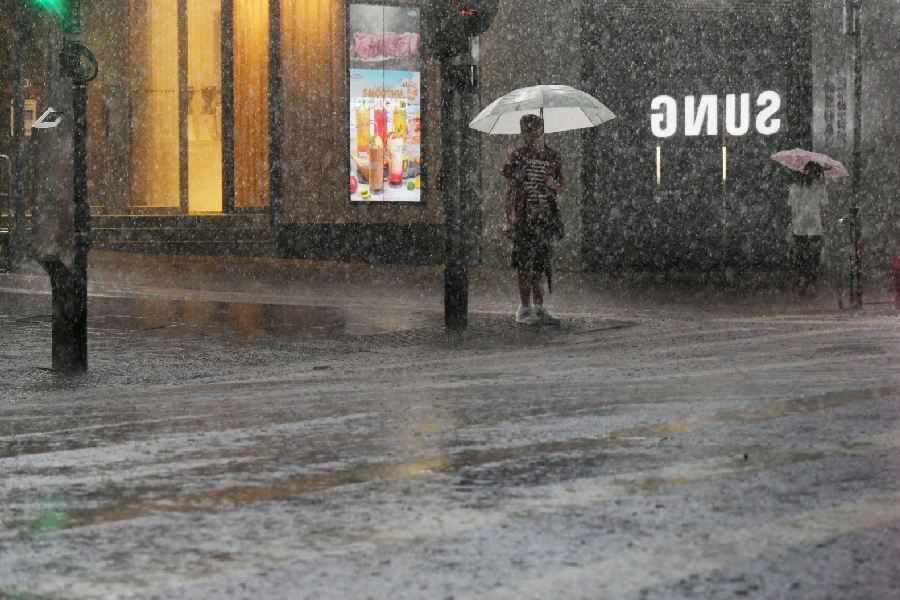




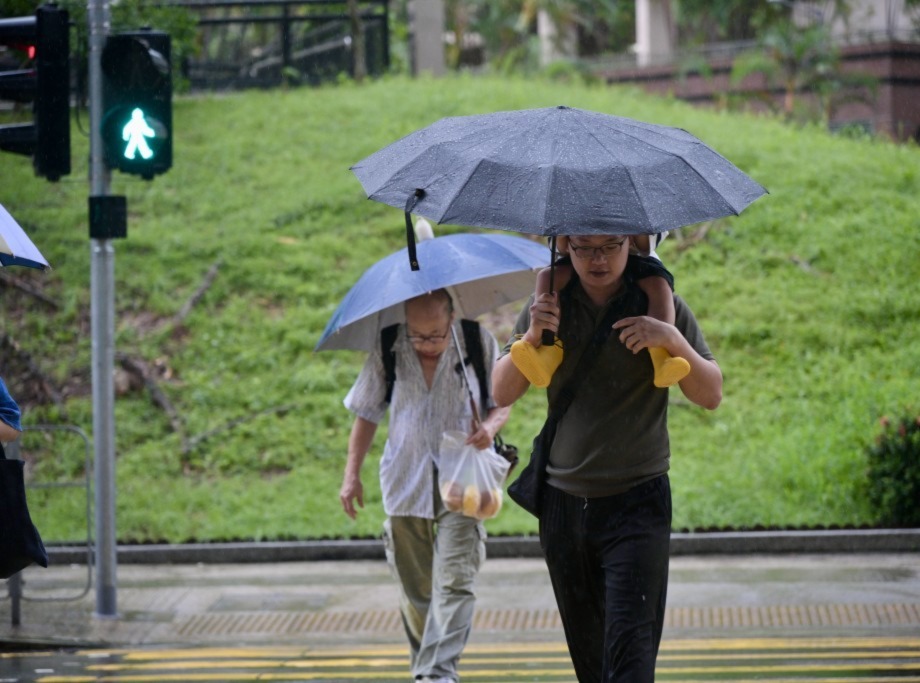
Nine-day rainy spell to hit HK with heavy showers and thunderstorms expected
11-06-2026 22:45 HKT
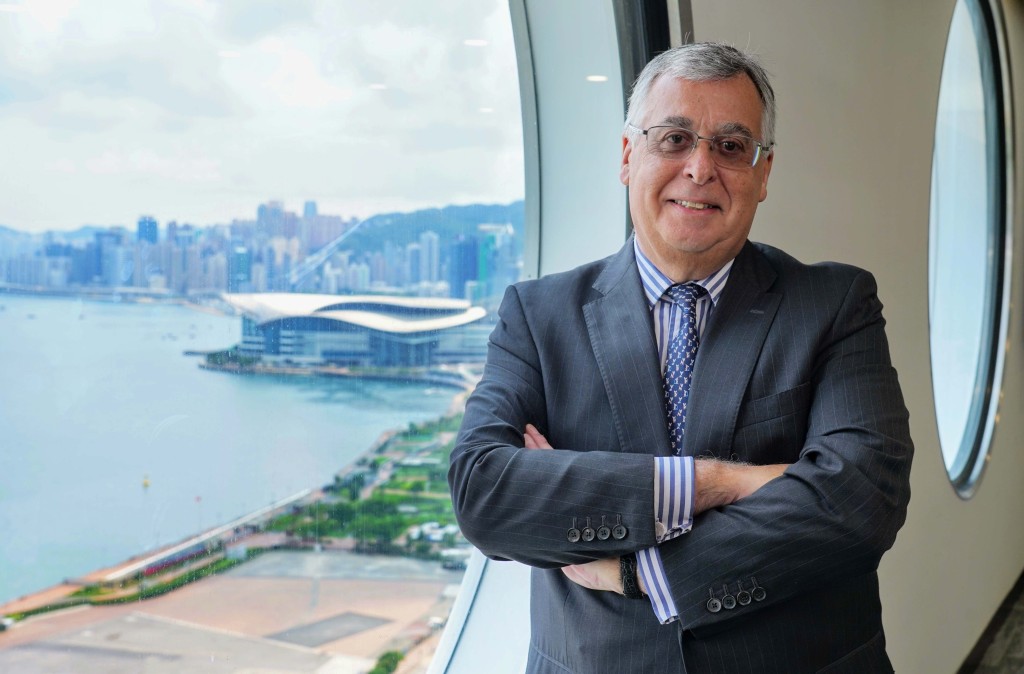
ICC chief hails Hong Kong as dispute resolution hub
08-06-2026 07:20 HKT


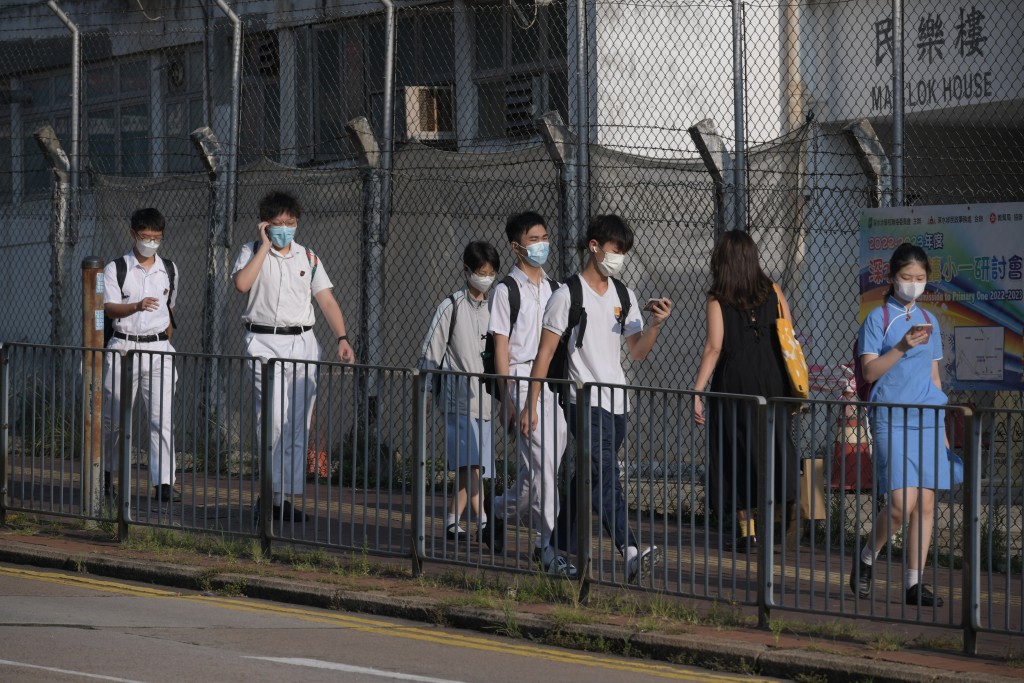
A new study has revealed alarming figures about chronic absenteeism among Hong Kong students, showing that 65 percent of those who skip school frequently have diagnosed special education needs (SEN), while 50 percent suffer from mental health conditions such as depression or autism.
According to Education Bureau statistics, 5,572 primary and secondary students were absent from school in the 2023/24 academic year. The Boys’ and Girls’ Clubs Association of Hong Kong (BGCA) conducted a follow-up study on absenteeism for the 2024/25 academic year and found that affected students were absent for an average of 83 days, with the most extreme case missing 148 days—nearly 60 percent of the entire school year.
Reasons for absenteeism ranged widely, including difficulty keeping up with classwork, poor peer relationships, and having no friends at school.
The BGCA urged the Education Bureau to strengthen the existing three-tier emergency mechanism by introducing an external dedicated support team to engage absentee students, build trust with families, assess mental health conditions and implement intervention plans, with timely referral when necessary.
Between May and July, the organization collected case data from 214 chronically absent secondary students through its social work services. From August to October, researchers also conducted in-depth interviews with 12 current or past absentee students to better understand their challenges.
The findings paint a complex picture: 55 percent of students experienced anxiety, fear or nervousness; 47 percent lacked motivation to learn; another 47 percent reported depression or sadness; 37 percent struggled to keep up academically; and 34 percent had troubled peer relationships or felt friendless at school. Ninety-six percent of cases involved two or more contributing factors.
Many students said they were interested in learning but felt overwhelmed by physical and emotional distress. Some described experiences of bullying, excessive family expectations and negative interactions with teachers, which deepened their resistance to returning to school.
The study also found that nearly 40 percent of the students had engaged in self-harm, while about 20 percent had attempted suicide.
The BGCA noted that the current three-tier crisis mechanism relies heavily on school-initiated action and requires parental consent, making it less effective for students who are chronically absent and disengaged.
The organization proposed forming external outreach teams that can proactively enter the community, build rapport with families and students, assess mental health risks and coordinate intervention plans. Youth Integrated Service Centers in each district, it said, could serve as long-term support spaces for absentee students after referral.
Candice, a 16-year-old student who was chronically absent beginning in Secondary Two, shared her experience of being supported by her school’s social worker.
Over two and a half years, adjustments were made to help her cope with school, such as allowing her to sit at the back during assemblies and applying for special exam arrangements.
“When I talked to the school social worker about why I feared going to school, she kept giving me confidence and a sense of safety,” Candice said, adding that she felt accepted rather than judged.
Clinical psychologist Tina Leung Tze-zhen from BGCA said absenteeism often stems from “intense psychological pressure and a lack of safety felt within the school environment.”
She called for sustained collaboration and regular review of intervention strategies so that students can gradually rebuild a sense of security and learn to cope with stress.
Principal Ronald Hui Kin-yip of Queen’s College Old Boys’ Association Secondary School said the biggest challenge is simply “not being able to see the students,” making it impossible to provide timely support.
He emphasized the importance of first re-establishing contact, while also giving students time and space to recover, building peer support networks and involving them in alternative learning programs.
“Students are human beings, not programs. It’s not like you flip a switch and they immediately return to school,” Hui said. Real transformation, he added, takes time and understanding.