





Read More


Night Recap - August 26, 2026
6 hours ago
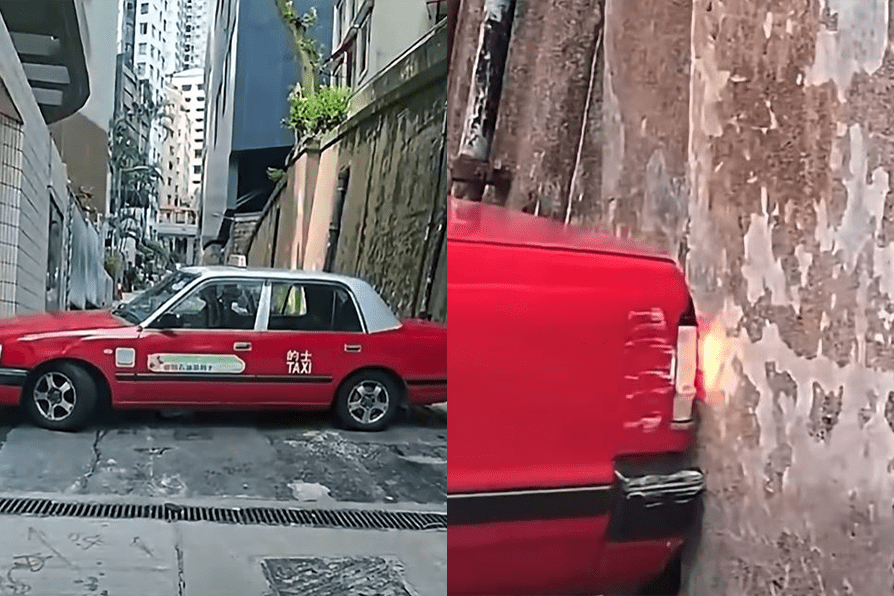
Taxi stuck sideways in narrow Central alley
24-08-2026 15:55 HKT


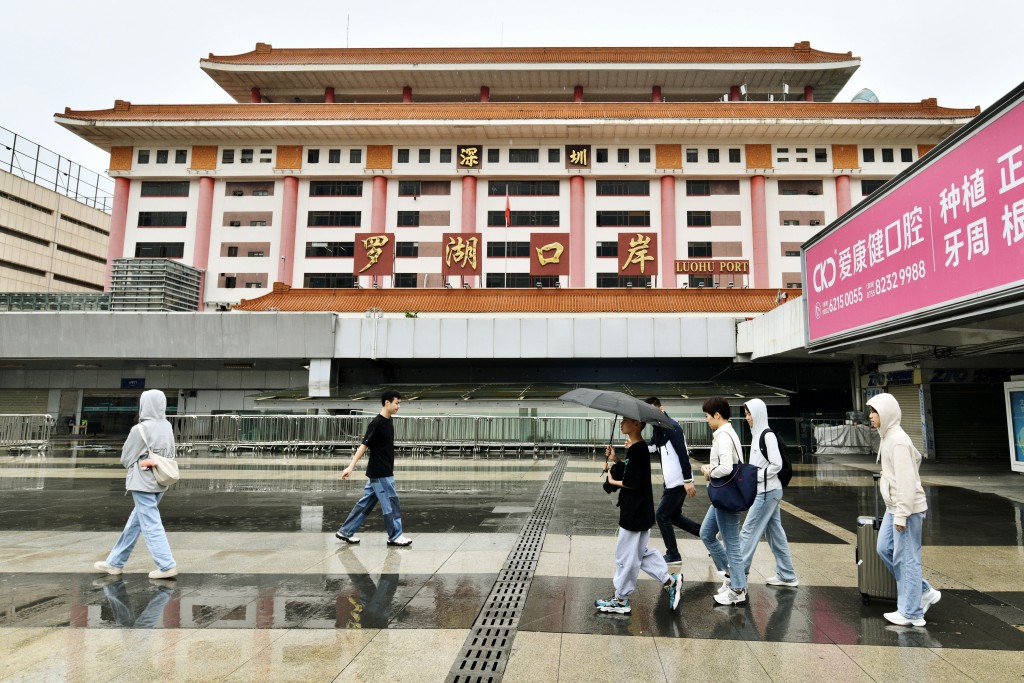
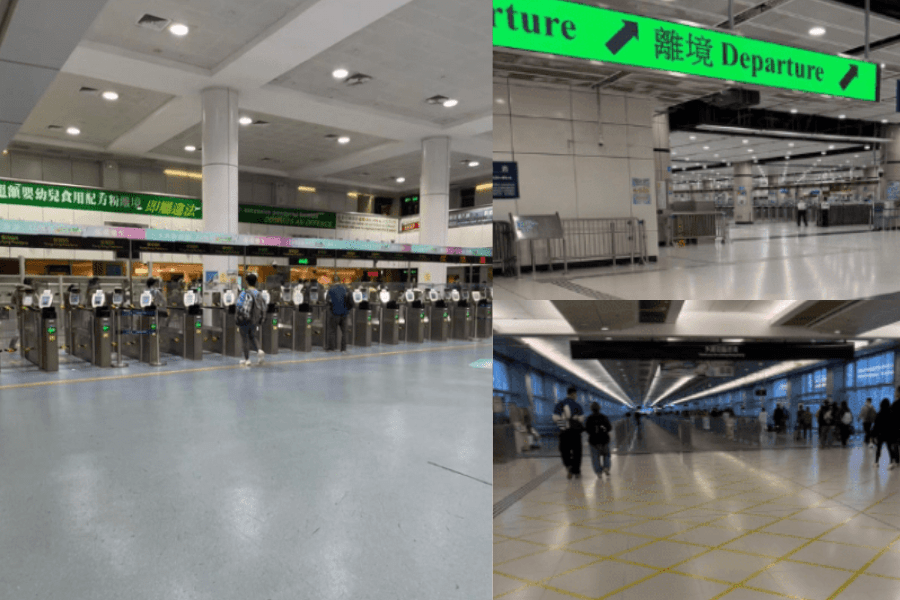
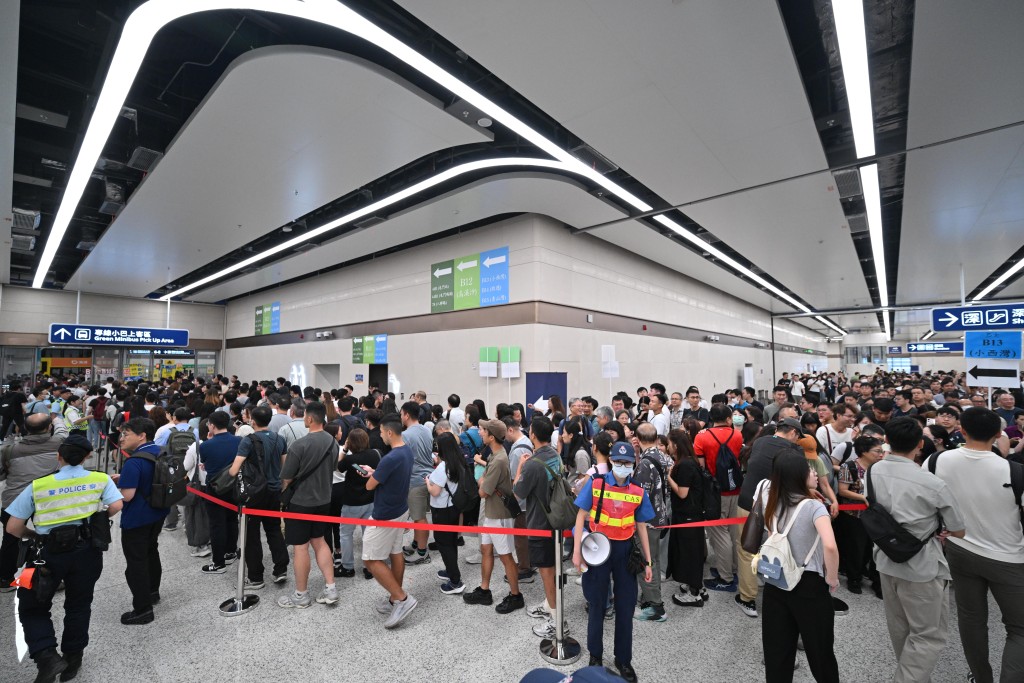
The National Immigration Administration of China has announced that starting from Wednesday (Nov 5), the facial-recognition smart clearance will be extended to multiple ports, including Luohu, Liantang as well as Hong Kong-Zhuhai-Macao Bridge Ports.
Following the introduction at Shenzhen Bay Control Point and Gongbei Port in Zhuhai, the facial recognition intelligent exit-entry clearance function will be available at mainland border control points, including Huanggang, Luohu, Liantang, Futian, Wenjindu Ports, Hengqin and Hong Kong-Zhuhai-Macao Bridge Ports in Zhuhai.
The smart clearance will also be expanded to other transportation hubs such as Shanghai Hongqiao International Airport, Xiamen Gaoqi International Airport and ferry terminals in Wutong, Pazhou and Nansha.
Individuals holding a valid exit-entry permit, or travel permits or multiple-exit-entry endorsements of stay, family visit, business, talent and other types, may use the smart channels for exit-entry clearance.
Moreover, five entry ports -- including Guangzhou Pazhou Ferry Terminal, Hengqin Port, Hong Kong-Zhuhai-Macao Bridge Port, Zhongshan Port (Passenger) and West Kowloon Station Port of Guangzhou-Shenzhen-Hong Kong Express Rail Link -- will be added to the list of ports eligible for the 240-hour visa-free transit policy, raising the total from 60 to 65.
Citizens of the 55 countries eligible for the 240-hour visa-free transit policy may enter China visa-free from any of the 65 ports in the 24 provinces with a valid international travel document and an interline ticket with a specified date and arrangement when traveling from China to a third country or region, and stay within the allowed areas for visa-free transit travelers for no more than 240 hours.