Read More








Night Recap - May 21, 2026
7 hours ago




ImmD crackdown targets moonlighting domestic helpers arresting 17
19-05-2026 17:52 HKT

The government plans to launch a pilot Intellectual Property financing sandbox, initially targeting technology and cultural and creative products, to strengthen support for innovation and commercialization, according to Intellectual Property Department (IPD) director David Wong Fuk-loi.
The initiative, announced in the 2025 Policy Address, will be jointly rolled out by the Commerce and Economic Development Bureau, the Intellectual Property Department, and the Hong Kong Monetary Authority.
Speaking on a radio program Wednesday morning, Wong said Hong Kong has invested heavily in innovation and technology (I&T) in recent years, but global challenges remain in turning patents into commercial success.
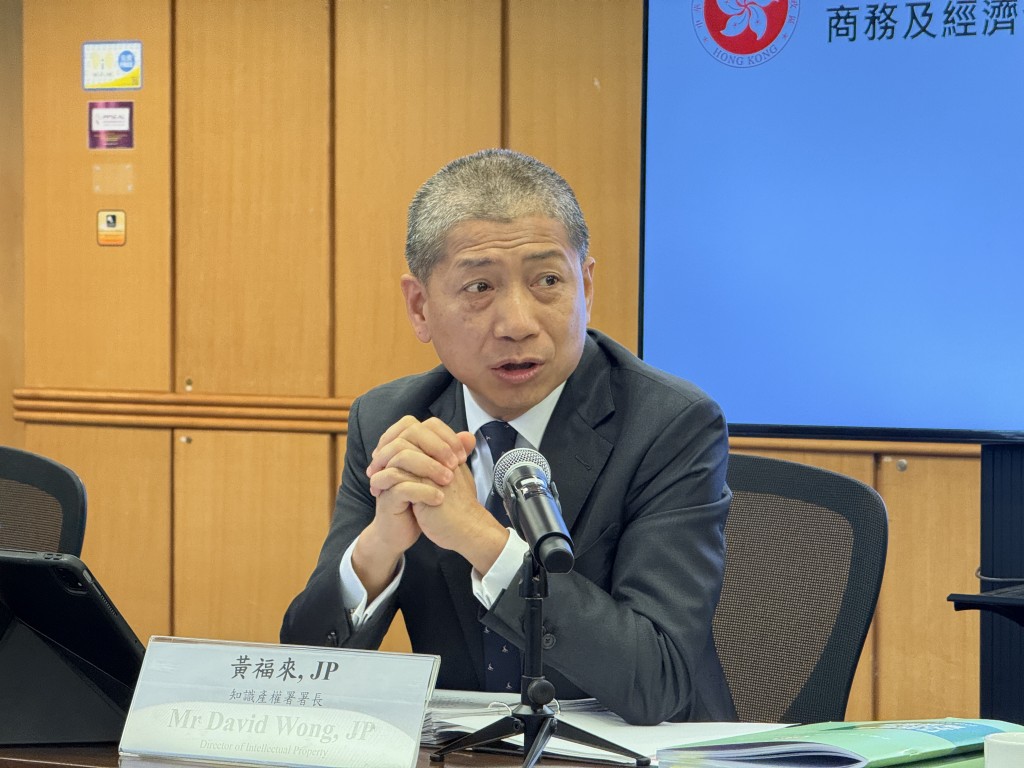
“How to attract capital investment into patented innovations is a major global issue,” he said, adding that Hong Kong’s I&T industry still faces difficulties securing bank loans. “We hope the sandbox can serve as a breakthrough mechanism.”
Pilot to support AI, biotech, and cultural innovation
Wong said the government aims to start the sandbox with sectors such as artificial intelligence, biotechnology, and creative industries, where many research and development firms are already supported by government funding.
“If we can provide another financing channel, these enterprises will have greater capacity to drive future growth,” he said.
He explained that technology and creative firms often struggle to secure financing due to a knowledge gap between innovators and banks.
“Take film production as an example — banks may not fully understand the industry, making it hard for them to assess potential revenue from a movie once it is released,” he said.
Patent examiners to help assess quality and value
Under the sandbox framework, patent examiners will play a key role in evaluating the quality and potential of intellectual property assets. Wong said that beyond their usual approval duties, examiners will help assess the technical, legal, and economic strength of patents.
“From a legal standpoint, they will review whether the patent is well protected and properly registered, with clear definitions of its scope,” he said. “On the technical side, they will evaluate whether the invention represents a significant innovation.”
Economically, examiners will consider factors such as patent lifespan, jurisdictions of registration, and potential revenue streams. The IPD will then work with accountants, surveyors, and analysts to determine value through different professional benchmarks, said Wong.