Read More

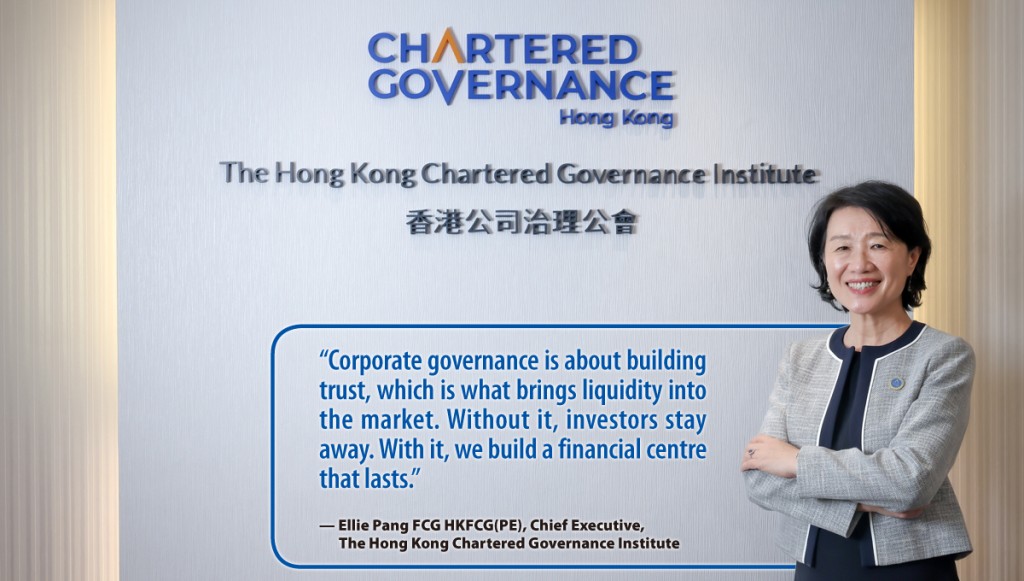
Building investor confidence starts with better governance: HKCGI
14-07-2025 09:00 HKT




Night Recap - July 26, 2026
9 hours ago

Singapore mulls tax cuts as top finance professionals return to Hong Kong
25-07-2026 21:22 HKT
With a globally recognised qualification and growing international reach, HKCGI is helping members build meaningful, mobile careers in the governance profession.
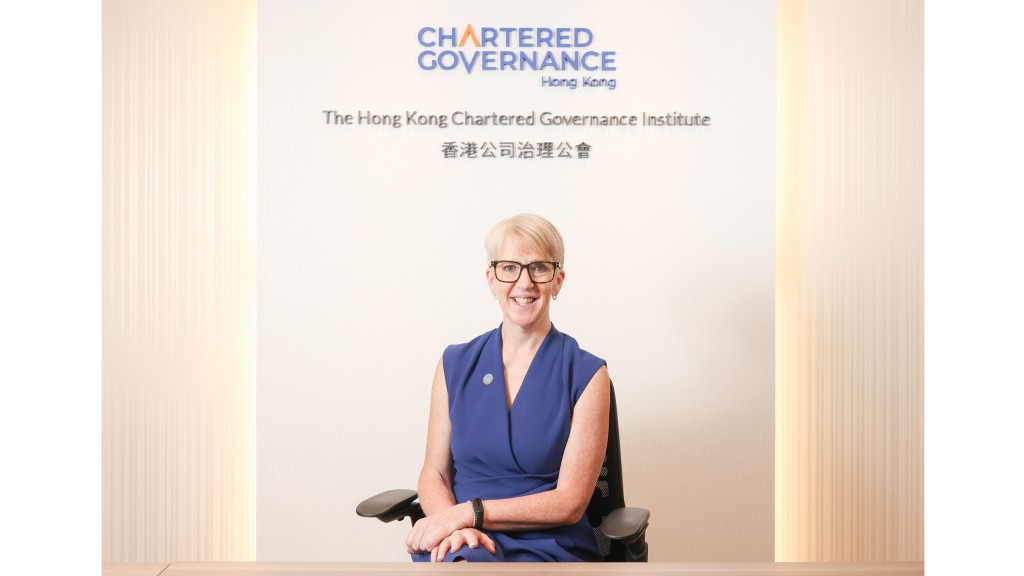
When Gill Meller first arrived in Hong Kong in 2004, she was drawn by a unique energy. “It felt like both a small and a big city – intimate enough for connections, but global in reach,” she recalls.
Two decades on, her decision to settle into what she calls a bustling city and build her career here has proven highly rewarding.
Now serving as International Vice President of The Chartered Governance Institute (CGI) and Past President of The Hong Kong Chartered Governance Institute (HKCGI), as well as Legal and Governance Director at MTR Corporation, Meller herself is an example of how global legal and compliance professionals continue to find opportunity and fulfilment here in Hong Kong.
“Hong Kong still attracts global talent, especially in governance,” she says. “The city remains a gateway for professionals who want to make a real impact.”
Meller says that HKCGI’s rebranding in 2021 from a company secretary institute to a chartered governance body was long overdue.
“Company secretaries still perform critical roles. But many of us also lead broader governance functions – designing frameworks, overseeing ethics, balancing stakeholder expectations, to name a few.”
Today, governance professionals are boardroom advisors and risk stewards. “We’re shaping how companies are run.”
One major benefit of HKCGI membership, she adds, is the strength and recognition of its professional qualification. “Attaining this global dual qualification earns you recognition as a Chartered Secretary and Chartered Governance Professional, opening doors to international opportunities.” Meller explains. “It’s recognised across nine divisions, from Singapore and Malaysia to the UK and Canada.”
This portability, she notes, allows members to build cross-border careers with confidence, backed by a common professional standard and shared values across CGI’s international divisions. “That’s a big advantage for professionals building international careers or working with multinational boards.”
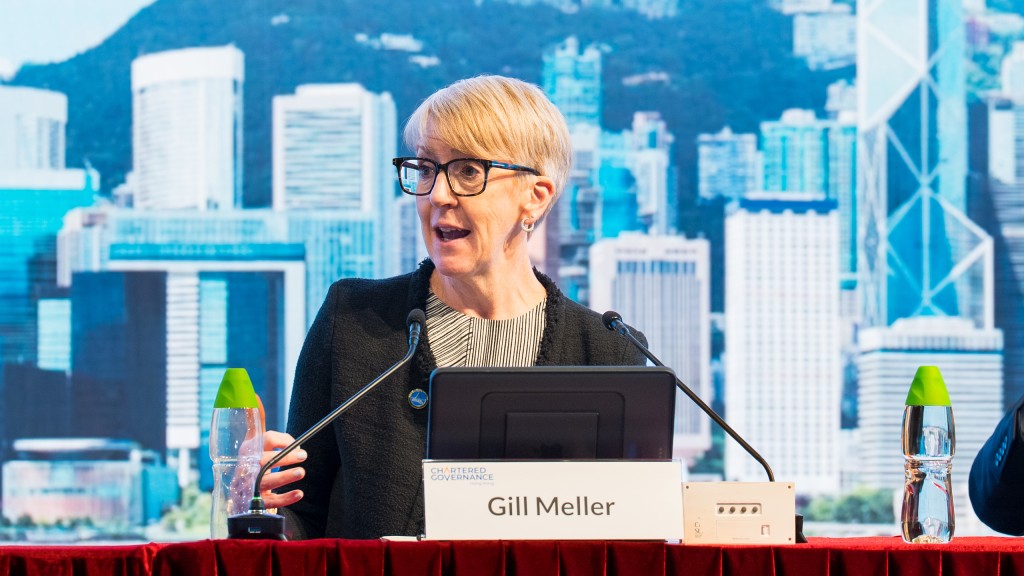
Meller encourages young people, especially students and early-career professionals, to explore governance as a career path. “Many don’t know what governance professionals do,” she admits. “They imagine paperwork and meetings. But it’s much more.”
She describes the role of a governance professional as having three main dimensions. First, being a champion who promotes ethics, standards and compliance across the organisation. Second, acting as a trusted advisor who supports the board and executive team in navigating governance matters. Third, serving as a board enabler by ensuring the materials, structures, and interactions are in place to support effective decision-making. And the key? “You have to care about doing the right thing and doing it well.”
To support this shift in expectations, particularly at the board level, HKCGI has also strengthened its focus on continuing training.
Most notably, the Director Training Package has been developed as a flexible, on-demand learning platform tailored for today’s boardroom demands. Meller says it is especially useful in helping board directors meet the training requirements under the HKEX Corporate Governance Code.
The package includes over 90 expert-led videos in English, Cantonese and Putonghua, covering core areas such as ESG, risk management, director duties and regulatory compliance. Designed with accessibility in mind, directors can complete training anytime, anywhere. A centralised tracking system also helps company secretaries and boards monitor training progress and maintain accurate records for disclosure purposes.
During the first seven months of 2025, Hong Kong solidified its global leadership in IPOs, with 51 IPOs and total funds raised surging over 610% year-on-year to HK$128bn.
As of end-July, there were more than 220 IPO applications in the pipeline, according to the latest quarterly report of the Securities and Futures Commission.
Meller sees the recent IPO revival as a major opportunity. With a wave of Chinese tech and advanced manufacturing firms heading to market, “demand for governance professionals has surged, particularly those with IPO readiness and compliance expertise,” she says.
As the IPO pipeline thickens, so too does the call for professionals who understand listing obligations, risk management and stakeholder alignment. “These companies are looking to build long-term trust with investors,” she adds. “That starts with good governance.”
Not every company operates with ample resources. Meller acknowledges that governance isn’t one-size-fits-all. “Newly listed firms and SMEs face real capacity constraints,” she says. Her advice? Focus on what matters.
“Start with understanding the rules. Then assess your risks. Build proportionate controls, embed compliance into culture, and ensure leadership sets the tone. That’s governance that works at any scale.”
“Trust is what sustains capital markets,” Meller states candidly. “For Hong Kong to remain an international financial centre, investors must believe in how companies are governed.”
She applauds recent regulatory reforms, from INED tenure limits and overboarding restrictions, to mandatory board evaluations and director training. “These changes raise the bar across the market and governance professionals are key to helping companies meet these expectations.”
HKCGI, she adds, plays a consultative role. “We work closely with regulators, giving input during public consultations and then supporting our members in understanding and applying new rules.”
To support not just local boards but also internationally mobile professionals, HKCGI is building strong cross-border partnerships.
Meller herself will speak at the Tokyo Stock Exchange this October, introducing the company secretary role to a market still unfamiliar with it. “They’re curious about how this position could enhance board governance. It’s a great opportunity to share best practices.”
In mainland China, HKCGI continues to support cross-border governance for firms listing in Hong Kong. “We’re actively engaging through our Beijing office, helping firms meet both regulatory expectations and international standards,” she notes.
Meller is unequivocal in her view that ESG is no longer an afterthought. “Good governance means thinking long term, thinking strategically, and that includes environmental and social sustainability,” she says.
To support this shift, HKCGI launched the ESG Reporting Certification Course, an 18-hour programme completed by more than 1,700 professionals. “We were surprised by the uptake. Participants weren’t all ESG specialists, but they wanted to understand what good sustainability reporting looks like.”
The course feeds into the Sustainability Governance Academy, which connects certified professionals through ongoing events and resources. “We’ve also launched a refresher course to keep up with constantly evolving standards,” Meller adds.
Alongside this, HKCGI runs over 80 CPD seminars annually, covering topics from AI governance to cyber risk. “It’s how we ensure our members stay ahead of the curve,” she says.
To Meller, governance is both a calling and a compass. “It guides how organisations treat people, manage risk and deliver impact,” she says.
As the IPO pipeline swells and ESG demands grow, Hong Kong is turning again to the professionals who ensure capital markets run on confidence, not just compliance.
“Good corporate governance won’t always be headline grabbing. But it’s what builds trust. And that’s what brings long-term success.”