Read More
“Pulling a sickie” - faking illness to take leave - has never been easier as fake medical certificates are now available online for anyone willing to pay a few hundred bucks.
ADVERTISEMENT
SCROLL TO CONTINUE WITH CONTENT
A reporter from Sing Tao Daily, the sister publication of The Standard, has recently spotted a social media post advertising “sick leave certificates” for HK$300.
The seller claimed to provide “legitimate” medical certificates from any private clinic, requiring only the customer's name in both Chinese and English, gender, symptoms and sick leave dates.
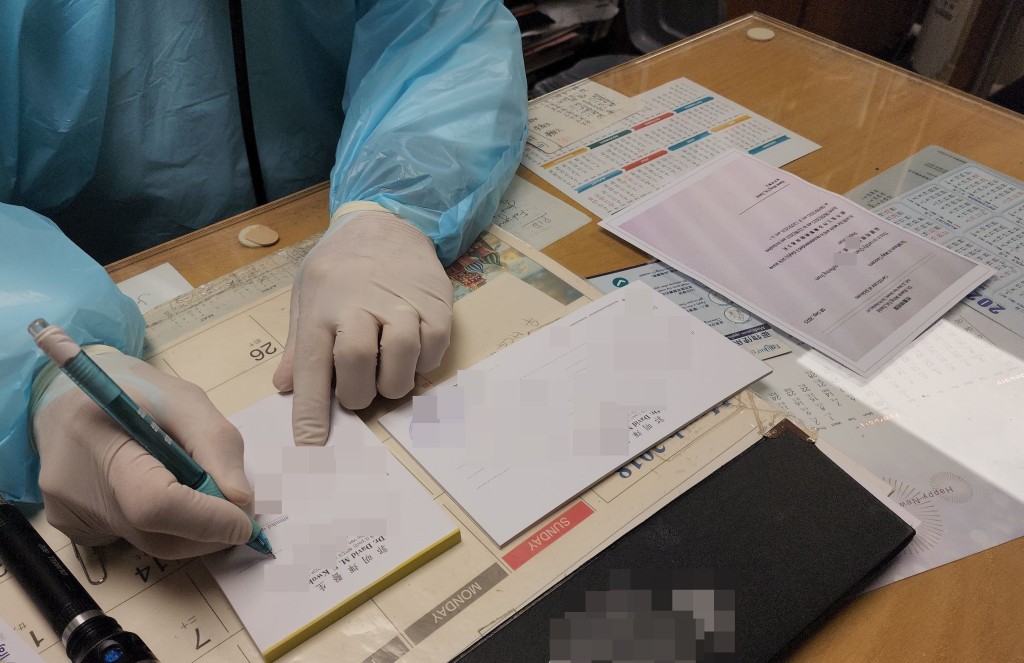
To verify its authenticity, the reporter posed as a customer and requested a medical certificate from a Tai Po clinic under a fake name, citing stomach ulcers as the illness.
The seller promptly sent a “view once” photo of a document resembling a medical certificate, but it lacked a doctor's stamp and signature.
“A PDF version of the stamped medical certificate will be sent once the HK$300 fee has been received," the seller explained.
Notably, the customer has to sign for the “doctor” themselves.
Assuring the authenticity of the certificates, the seller claimed that doctors would not permit employers to verify whether employees had actually visited the clinic, citing “confidentiality” as the reason.
However, when the reporter visited the relevant Tai Po clinic for confirmation, staff immediately identified the medical certificate as counterfeit.
The doctor, David Kwok Ming-fai, stressed that the clinic only issues medical certificates in handwritten form and was unaware someone was impersonating him to provide such documents.
Kwok also noted that if employers believe they have received suspicious certificates, they would likely contact him directly. He believes that if any activities involving fraud or impersonation of a doctor are discovered, the police will step in to conduct an investigation.
The reporter then reached out to a customer, Chan, who had previously purchased a fabricated certificate from a Tai Kok Tsui clinic that used a real doctor’s name, stamp, phone number, and address.
Upon inquiry, a female staff member from the claimed clinic stated that they will not issue medical certificates electronically, stressing that they were not aware counterfeit documents were being sold under the clinic's name.
A spokesperson from the Medical Council of Hong Kong emphasized that anyone willfully impersonating a doctor, takes or uses any name, title, addition or description implying that they practice medicine or surgery is committing an offense.
He further advised employers seeking to verify the authenticity of submitted medical certificates to search the council's website for information about registered doctors, including their names, registration numbers, and qualifications.
However, he noted that the council only regulates registered doctors and does not oversee medical institutions or unlicensed individuals.