Read More






Night Recap - May 21, 2026
7 hours ago




ImmD crackdown targets moonlighting domestic helpers arresting 17
19-05-2026 17:52 HKT



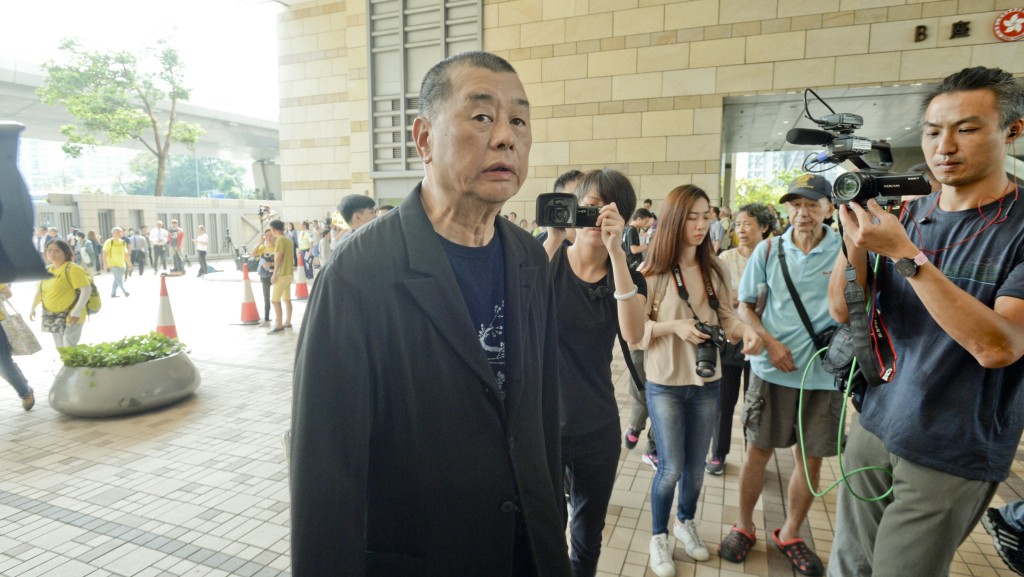
National security judges presiding over the case against Lai Chee-ying actively challenged defence arguments during closing submissions, questioning an analogy that receiving information does not imply support.
The exchange occurred on the eighth day of closing arguments in the high-profile case, where Lai faces charges of colluding with foreign forces to endanger national security.
The prosecution’s written submissions had highlighted that Lai’s personal Twitter account continued to follow groups like “SWHK” and the “Inter-Parliamentary Alliance on China (IPAC)” and receive their updates after the law was enacted.
The defence contended that such activity did not equate to endorsement, also drawing a comparison to an individual monitoring Israel and receiving updates about the country, arguing this does not inherently signal support.
Judge Susana Maria D'Almada Remedios, however, challenged this analogy. She pointed out that Lai did not passively receive information but actively disseminated it. Specifically, he relayed updates from these organizations to Chan Pui-man, the former associate publisher of Apple Daily, and instructed her to report accordingly in the publication.
The judge noted one instance where Lai directed Chan to use Apple Daily to promote the establishment of IPAC.
Judge Remedios rhetorically questioned the defence on the context, emphasizing that Lai was receiving information directly from the founder of IPAC, not from ordinary individuals, and further asked whether the defence had ever received updates directly from Israeli Prime Minister Netanyahu.
Another point of contention arose regarding the testimony of accomplice witness Chan Tsz-wah, which referenced a conversation with Lai’s personal assistant, Mark Simon.
The defence argued that this testimony was hearsay and should be inadmissible. In response, Judge Esther Toh noted that Lai himself had admitted in court to informing Chan Tsz-wah that Simon would act as a communication channel between them. Therefore, Simon was functioning as an authorized “agent” liaising on Lai’s behalf, which did not constitute hearsay.
After the defence adjusted its argument to claim that Chan’s testimony about Simon relaying Lai’s words was hearsay, Judge Remedios stated that the court was fully aware of the rules regarding hearsay evidence.
She clarified that while testimony about instructions from Simon would not be considered as valid evidence of the instructions themselves, it was admissible to help the court understand Chan Tsz-wah’s subsequent motives, reasoning, and the relevant context of his actions.