Read More
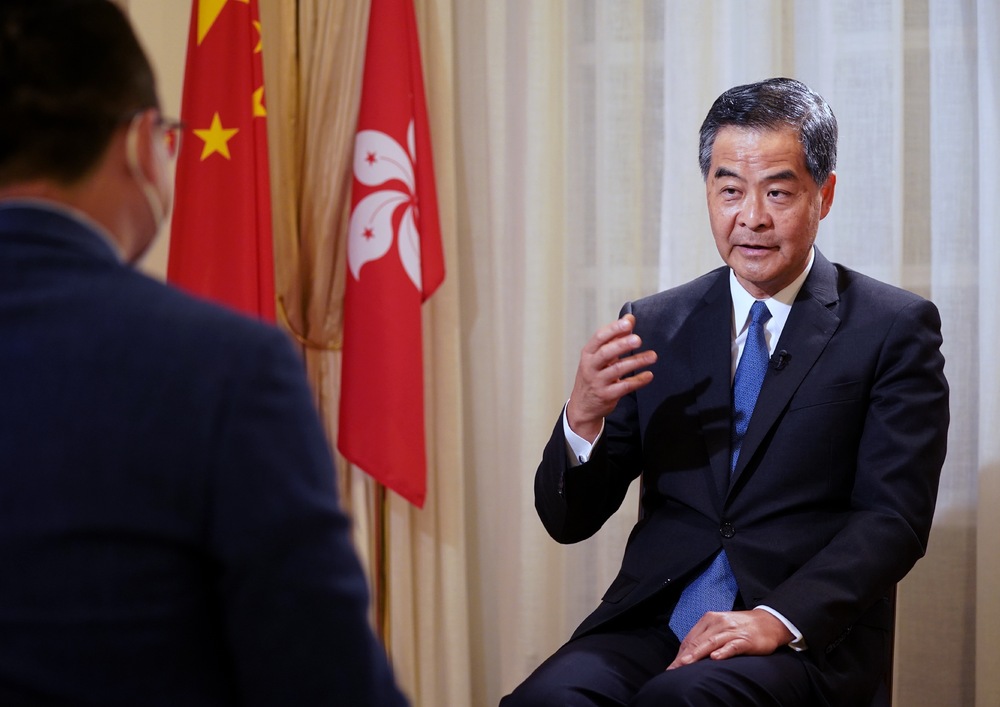
Parents have the right to know the identity of teachers and their schools if they committed professional misconduct during the social unrest, a group founded by former chief executive Leung Chun-ying told the High Court in a judicial review.
ADVERTISEMENT
SCROLL TO CONTINUE WITH CONTENT
Applicant 803 Funds is challenging the Education Bureau's refusal to name the teachers involved in misconduct on the grounds that it breaches the Code on Access to Information and the Personal Data (Privacy) Ordinance.
Senior counsel Douglas Lam Tak-yip for the group told High Court Justice Anderson Chow Ka-ming yesterday there had been 269 complaints against teachers related to the unrest in 2019 over the past two years filed with the Education Bureau.
These included independence advocacy, teaching history misleadingly, using one-sided and biased teaching materials, spreading biased political opinions, inciting hatred, and hitting at the sense of national identity among students.
He also said some cases are against national security.
Among the complaints, 160 were substantiated. Three teachers saw their registration revoked, while others who faced complaints that were substantiated had been given reprimand letters or verbal warnings.
The situation is serious, Lam said, and parents have the right to know who are the teachers and schools involved to consider whether to allow their children to continue studying there. He said parents have the right to monitor teachers and ensure good teaching behavior as they not only influence students' growth but also affect the development of society and the country.
It involves significant public interest and the Education Bureau should disclose the relevant information, Lam said.
He said the bureau's refusal to go into details is against public interest and harms the right to know by parents.
Lam said the bureau refused to disclose such information to ensure harmony in schools and avoid unfair labels, adding it also does not want to spark a heated discussion among members of the public.
The bureau also hoped the public could trust its handling of complaints and would revoke a teacher's registration when necessary.
But Lam said public interest should be recognized. Even though the bureau does not disclose the identity of the teachers involved, it should let the public know the name of the school so parents can have sufficient information when picking schools for their children.
He said the bureau should strike a balance between public interest and individual privacy.
But acting deputy law officer William Liu Kwun-wa, who represents the Education Bureau, said "disclosing teachers' information would create a labeling effect" and would affect the trust between the bureau and schools.
Liu said he was surprised that the applicant only asked for the school name in court yesterday as it originally sought a wide range of information, including the number of substantiated cases, the identity of teachers and the name of the schools involved, the nature of misconduct behavior, the investigation results and follow-up actions.
He also said it would be inappropriate to only disclose the school name as "people may have bias against the school even if the teacher involved is no longer working in that school."
Liu said the applicant is only concerned about the interest of parents but the bureau has to consider the interest of different stakeholders, including schools, teachers, parents and students.
He said the bureau and teachers both understand that the personal information of the teacher would only be used for investigation and would not be disclosed to a third party as it is protected by the third data protection principles.
Chow reserved judgment.
sophie.hui@singtaonewscorp.com
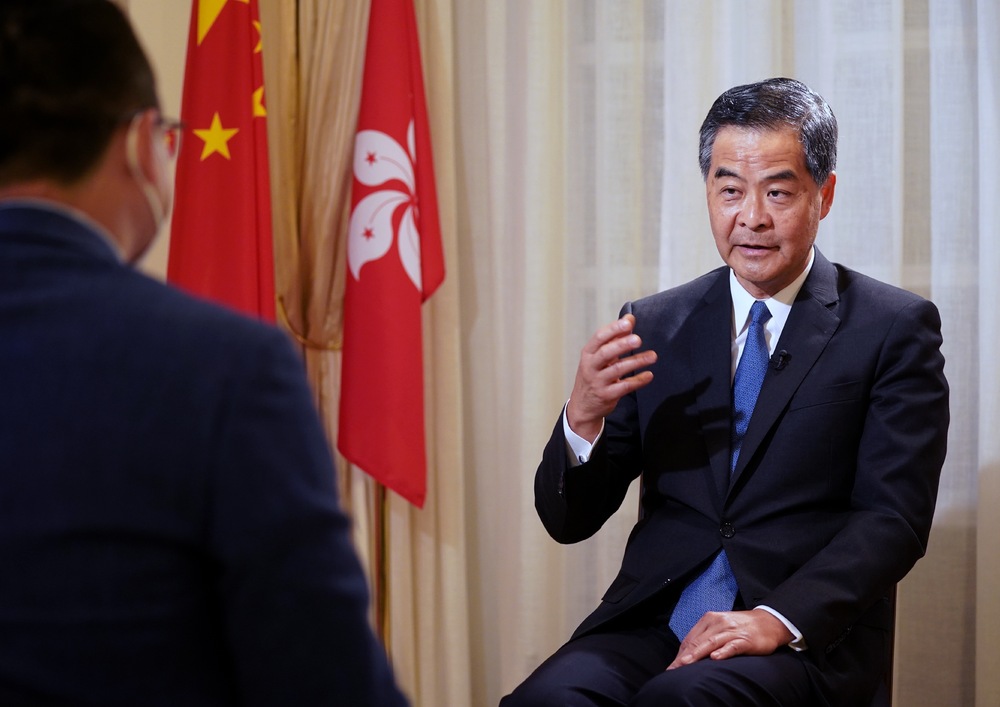
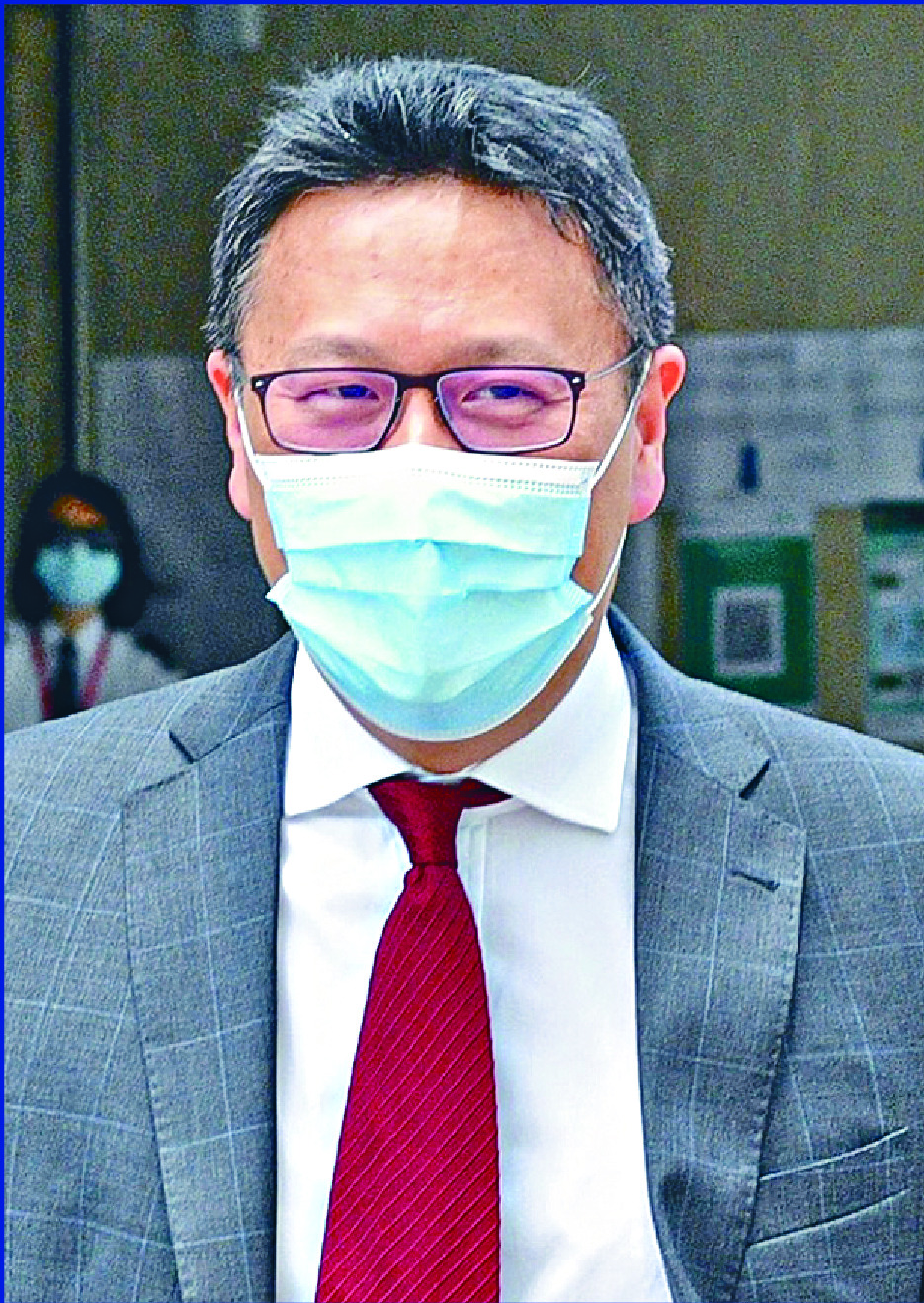
A group founded by Leung Chun-ying, right, and represented by Douglas Lam, inset, says parents have a right to monitor teachers as they influence the growth of students. SING TAO