Read More




Morning Recap - June 10, 2026
2 hours ago




Bowie Wu, 94, sets Guinness World Record at star-studded concert
08-06-2026 18:03 HKT

HK launches $50m 'AI for All' campaign to benefit 50,000 residents
08-06-2026 21:22 HKT
More than 96 percent of recovered Covid-19 patients managed to have their lung function restored to normal levels within nine months, according to a Hospital Authority study.
Princess Margaret Hospital has seen more than 1,300 patients recover during the pandemic. The hospital performed lung function tests on 167 of them, assessing if they could walk 400 meters within six minutes.
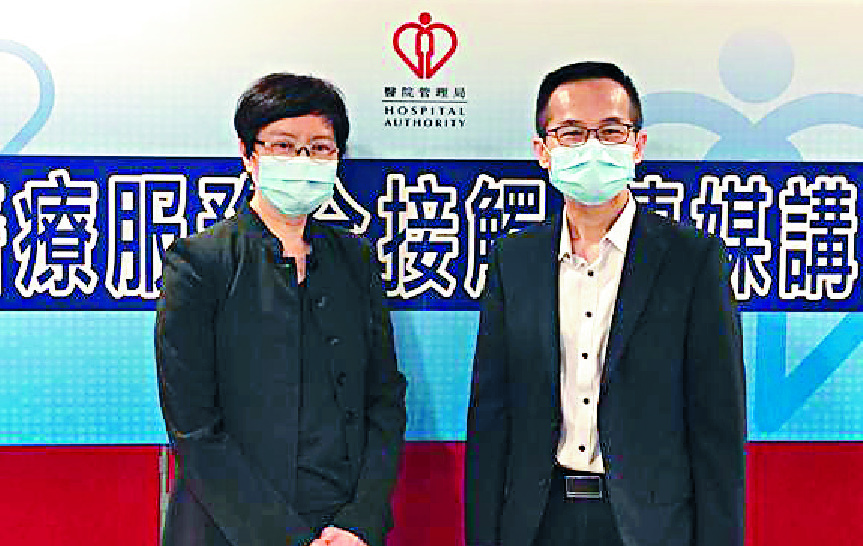
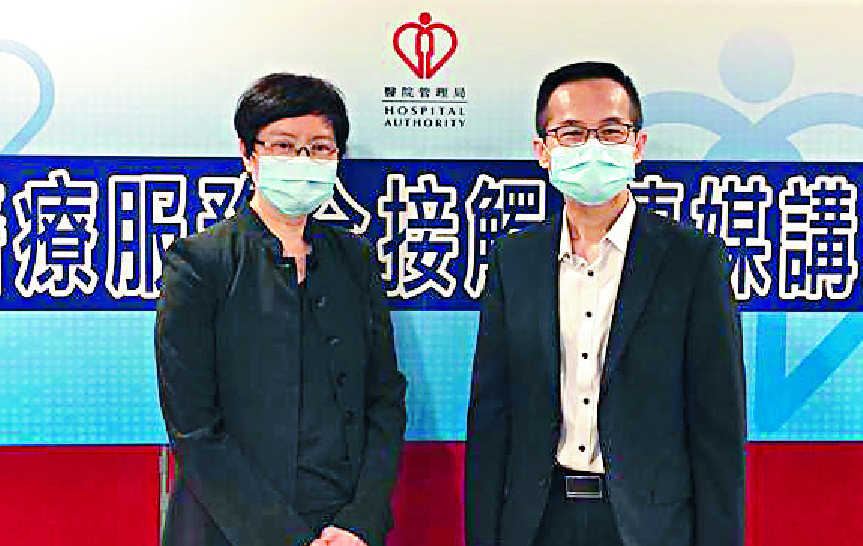
Owen Tsang Tak-yin, medical director of the authority's Infectious Disease Centre at Princess Margaret Hospital, said a normal person could easily walk 400 meters within six minutes, yet 23.2 percent of recovered Covid-19 patients tested failed to do so.
Most patients' lung performances improved as time went by and only 3.7 percent of recovered patients failed to walk 400 meters after 36 weeks.
Another lung function test performed is called the DLCO test, which is a test that measures patients' diffusion capacity for carbon monoxide. For properly functioning lungs, the capacity should rest above 80 percent.
Within the first three months after discharge, 45.5 percent of patients' diffusion capacities fell below 80 percent, with some operating at one third of normal lung functioning capacity.
"For those with a diffusion capacity below 80 percent, this means that the alveoli in their lungs are damaged, and oxygen cannot be passed through the alveoli to the blood vessels," Tsang said.
"Patients will be short of breath, particularly when they are exercising, walking up the staircases and chasing buses," he said.
Even though more than 20 percent of patients said they experienced difficulties breathing, Tsang said patients' lung conditions could improve by steadily increasing exercise and especially performing breathing exercises.
After nine months, around 85 percent of those recovered would have their lung diffusion capacity back to normal.
A 64-year-old woman with good past health was found to be suffering from pneumonia. Two months after leaving hospital, the woman's diffusion capacity was only at 78 percent. Her diffusion capacity was finally back to normal eight months after her discharge.
A psychological screening was also performed on 190 recovered patients from Princess Margaret Hospital.
Kitty Wu Kit-ying, the department manager of clinical psychology in the Kowloon West Cluster, said that more than 20 percent of respondents experienced moderate to severe distress, 66 percent of whom were women.
Many of the patients may feel that they burdened others since their friends and relatives had to undergo quarantine because of them. Some may also feel that they are discriminated against by their neighbors.
Wu recalled a patient experiencing hallucinations during a stay in the intensive care unit. Even though the patient's physiological health was back to normal after the discharge, the patient was distressed over having hallucinations and feared discussing it with others.
However, Wu added that patients' anxiety levels were not necessarily in correlation with the severity of their disease.
Urging the public to be more understanding of recovered Covid-19 patients, Wu said that unnecessary curiosity toward them should be reduced so that recovered patients can feel less stressed.