Read More












Nutritional intake among most children living in subdivided flats is generally inadequate, with nutritionists estimating that about seven to eight out of every 10 children from grassroots families experience varying degrees of nutritional deficiencies, according to a survey released on Sunday.
To better understand children's dietary habits and nutritional intake, World Vision Hong Kong and the Hong Kong Community Dietitian Association conducted a telephone survey from last June to January, interviewing the parents of 589 underprivileged children living in subdivided flats.
According to the Department of Health's healthy eating food pyramid, only 13 percent of households reached the recommended intake.
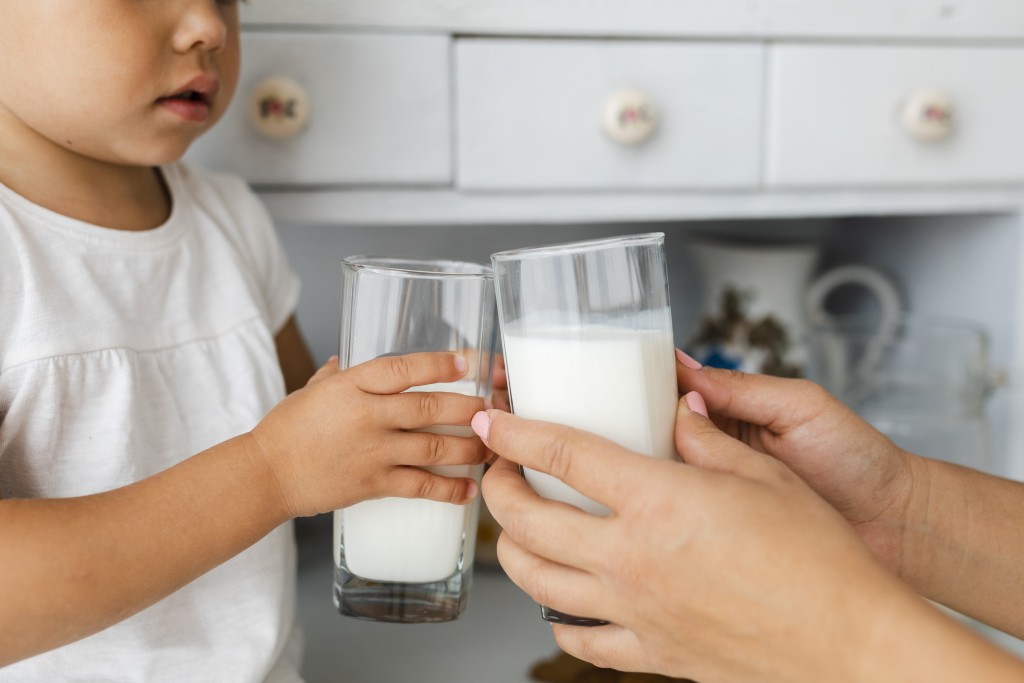
Meanwhile, over 85 percent of the respondents' children aged 2 to 11 years are not consuming enough dairy products, and over 75 percent are eating too few vegetables.
Additionally, the survey pointed out that many children aged 2 to 5 consume junk food at least twice a week, with some already relying on it as a main part of their diet due to peer influence and parent's inability to take care of their eating habits, which could significantly affect the children's growth.
It was also reported that over 90 percent of the parents do not acknowledge the recommended daily intake of vegetables and fruits, reflecting limited knowledge of their children's nutritional needs.
Bonnie Leung Wing-yan, a nutritionist from the association, stated that the current dietary guidelines are often difficult for parents to understand or apply, particularly for those in unstable living conditions affected by economic factors and long working hours.
Leung suggested that the government provide more accessible information and tailored nutritional counseling services to improve nutrition education among low-income families in subdivided flats.