Read More









Morning Recap - June 12, 2026
9 hours ago

Mother and daughter die in successive falls from same Tai Koo Shing block
11-06-2026 00:05 HKT


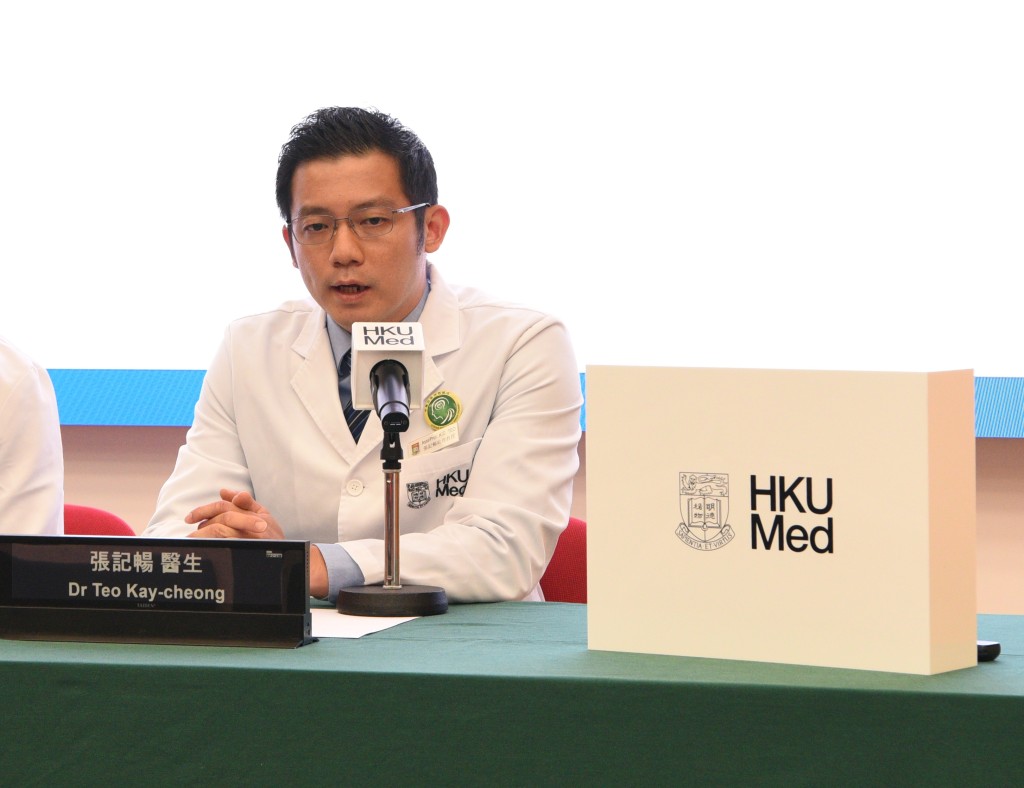
Researchers at the University of Hong Kong created a new tool to help stroke patients manage their blood pressure after a brain bleed, assisting doctors in identifying patients who would benefit most from early treatment to lower the chance of another bleed or stroke.
Intracerebral hemorrhage, commonly known as a brain bleed, is a type of stroke and a leading cause of long-term disability, accounting for 50 percent of stroke-related deaths in Asia.
Controlling blood pressure after a brain bleed is critical for long-term recovery. One effective approach is to receive triple antihypertensive medication.
However, this treatment may not be suitable for all patients, especially in older patients and those with milder hypertension, as overly aggressive treatment or excessively rapid blood pressure reduction could lead to serious side effects.
To address this issue, the HKUMed research team developed the TRICH score for post-brain-hemorrhage care by analyzing data from 462 brain hemorrhage patients at Queen Mary Hospital.
The scoring system evaluates five clinical indicators: the patient’s age, sex, kidney function, blood pressure upon admission, and whether they have ischemic heart disease.
The tool uses a 0-11 point scale. Patients scoring 3 points or higher may receive earlier medication to help doctors manage their blood pressure more promptly and effectively.
The system’s effectiveness has already been tested at Ruttonjee Hospital, Yan Chai Hospital, and Princess Margaret Hospital.
The team is also conducting research on implementing telemedicine, including using mobile apps for regular monitoring and reminders.
Although the study is still ongoing, HKUMed’s Clinical Assistant Professor Teo Kay-cheong revealed that among the 38 patients who have completed the research so far, results show hypertension control rates improved by up to 88 percent with telemedicine intervention.
(Cheng Wong)