Read More





Night Recap - May 21, 2026
6 hours ago



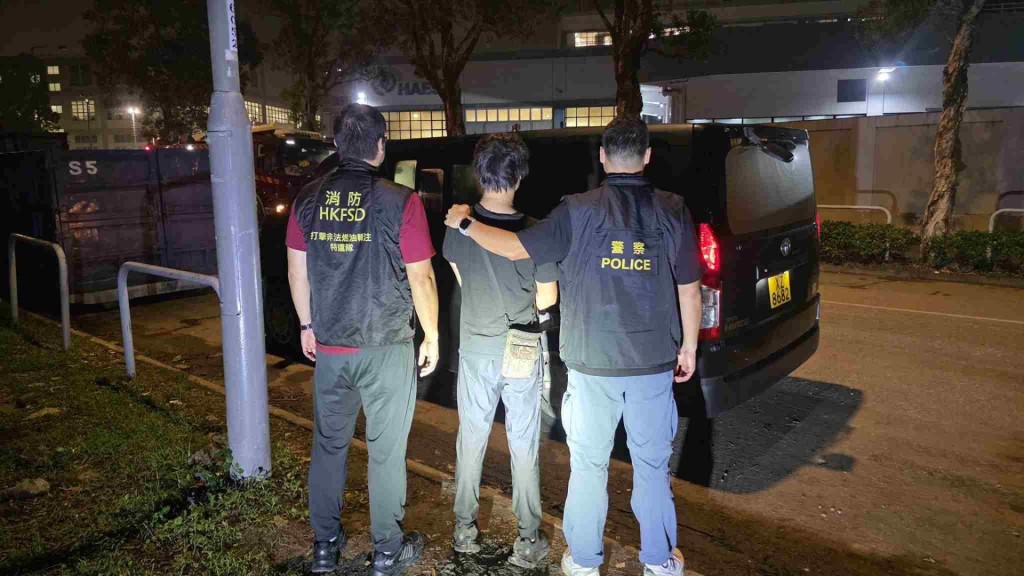
ImmD crackdown targets moonlighting domestic helpers arresting 17
19-05-2026 17:52 HKT

Electoral changes in Hong Kong are about fighting subversion rather than being against democracy, Beijing's top official on the SAR's affairs argued.
Vice-Premier Han Zheng elaborated on the rationale behind changing the electoral system as he received Hong Kong deputies to the National People's Congress yesterday in Beijing.
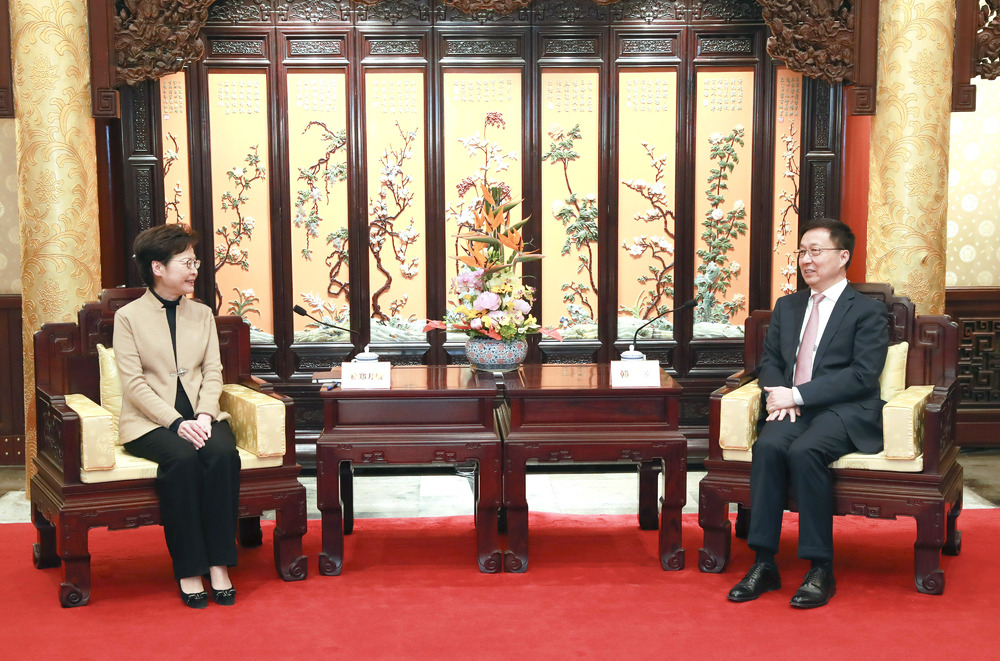
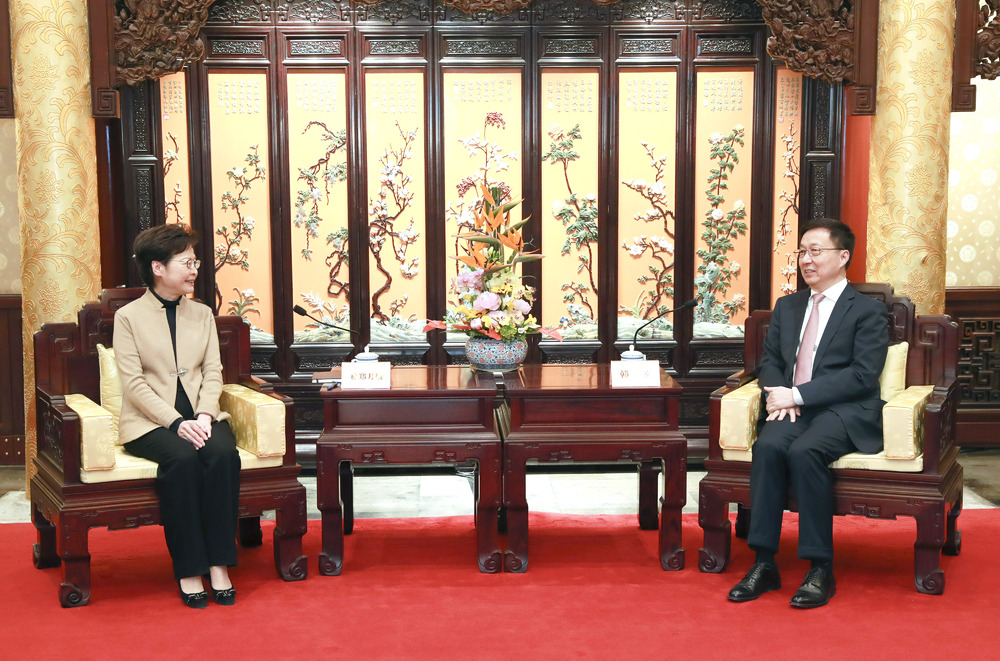
That followed on from him meeting Chief Executive Carrie Lam Cheng Yuet-ngor on Saturday afternoon and telling her that he hoped the SAR administration would continue to make fighting the pandemic as its main task.
He also asked the SAR administration to implement the NPC's decision on improving Hong Kong's election system while pointing to changes in the Basic Law's annexes I and II as ensuring the implementation of one country, two systems is going in the right direction.
It is understood Han also said in the meeting with Lam that he is handling the request to reopen the border with the mainland.
In the meeting with Hong Kong deputies, Han said changes now under way are about defending national security and helping wage a "defensive battle" over Hong Kong's administration, economy and livelihoods. It is a matter of fighting against subversion and whether the changes are democratic or not is not the main issue, deputies attending the meeting quoted Han as saying.
Turbulence in 2003, 2014, 2016 and 2019 reflected problems in Hong Kong's administration, especially since the onset of the unrest two years ago, Han said.
Hong Kong's sole delegate to the NPC standing committee, Tam Yiu-chung, noted after meeting Han that without Article 23 "national security had been affected."
Looking back at what has happened since the handover, he added, there have been struggles involving subversion and moves against it.
Now, Tam said, "from the perspective of a defensive battle for the regime it is urgent to improve the electoral system."
NPC deputy Wong Yuk-shan cited Han has pointing to the riot in the United States' Capitol on January 6 as an example of what the United States considers terrorism.
"In Hong Kong, some people held other countries' national flags and stormed Legco and vandalized it," he said. Such an act is intolerable for any government in the world."
Han also highlighted Hong Kong's housing shortage and said experience has shown the problem must be resolved to help ensure social stability.
Long-term development and social consensus were needed to resolve the housing problem, Han added, but that could not be tackled if there was no consensus amid filibustering in the legislature.
Han also said the central government will support the SAR administration and citizens "to combat the pandemic in every aspect," while developing finance, innovation and technology while taking on the housing problem "and the disparity between the rich and the poor."
Foreign Minister Wang Yi also said in Beijing yesterday that the electoral system in Hong Kong must be improved for long-term stability and that reform would bring about a "brighter future" for the SAR.
The changes are constitutional and justified, Wang said, adding there was no democracy in Hong Kong during colonial times and that Beijing has confidence the electoral reforms will be beneficial.
He also said that "patriots ruling Hong Kong" is necessary for one country, two systems to move forward and to maintain stability.
Wang asked: "If you are not patriotic how can you love Hong Kong? Loving Hong Kong is consistent with being patriotic."
Improving the electoral system was listed on the agenda of the seven-day NPC annual session that started on Friday.
The reforms include increasing Legislative Council seats from 70 to 90, while all district councilors will be kicked off the Election Committee that votes for Hong Kong's chief executive.
All five district council "super seats" for the legislature will be scrapped and there will be a third constituency on top of the geographical and functional sectors.
Election Committee members will nominate candidates for both the chief executive election and the legislative election, and sources said that could see them selecting 30 to 40 legislators.
It was also said the preferred option is for the geographical and functional constituencies to constitute 60 out of 90 legislative seats.
Another proposal is for an Election Committee constituency to take 40 seats while the geographical constituency seats would be cut to 20 from 35 and functional constituency seats to 30 rather than 35.
As for the chief executive election, the Election Committee stands to increase from 1,200 to 1,500 members while the number of sectors in the committee will increase to five from four.