Read More





Night Recap - May 21, 2026
7 hours ago

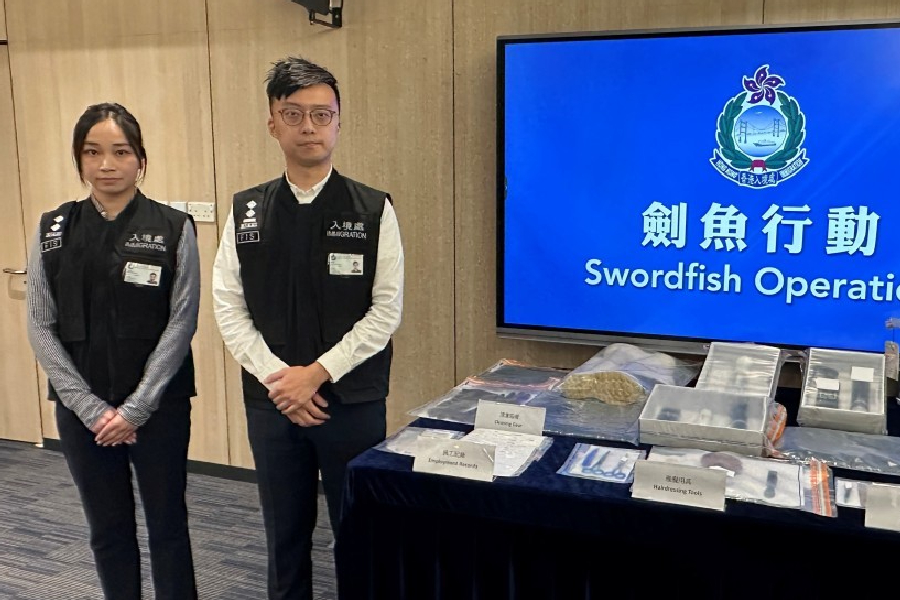
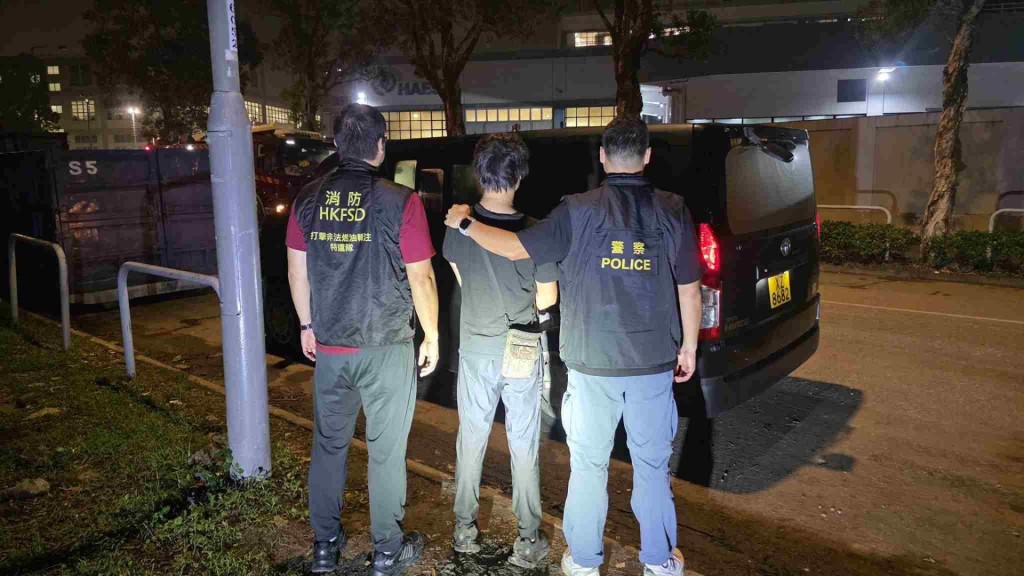
ImmD crackdown targets moonlighting domestic helpers arresting 17
19-05-2026 17:52 HKT



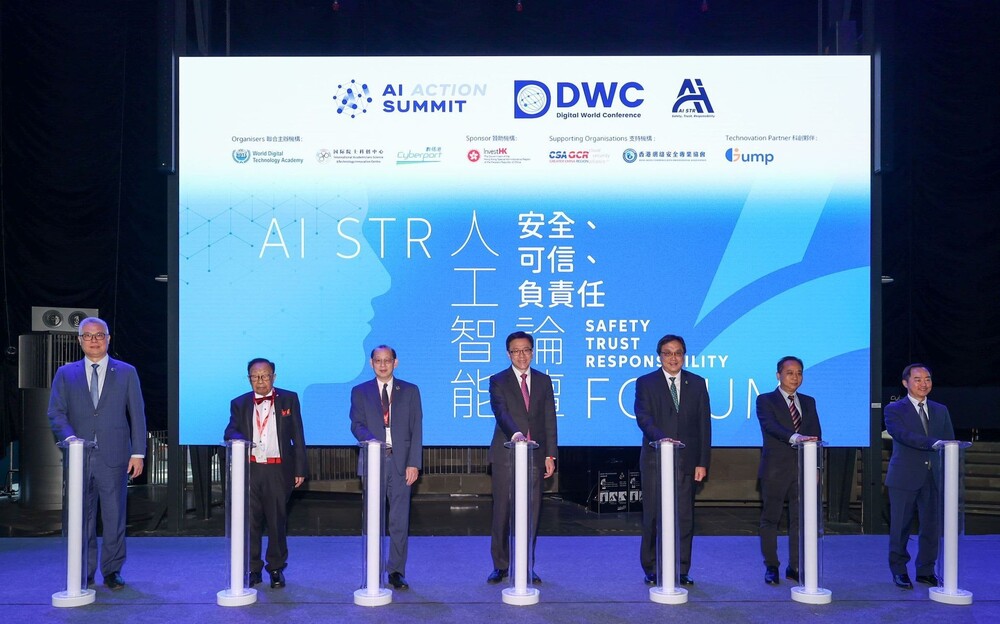
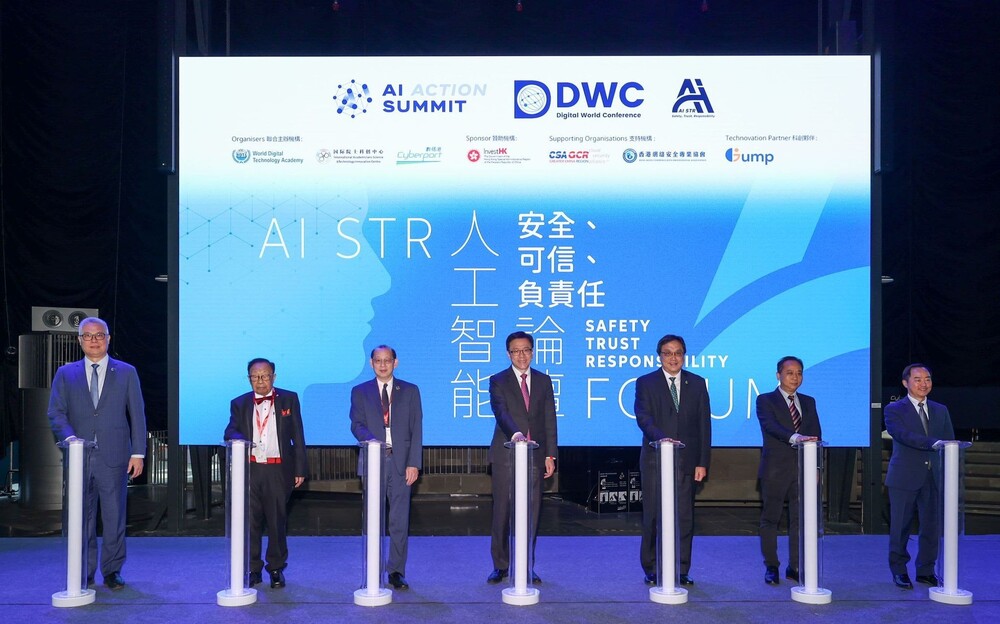
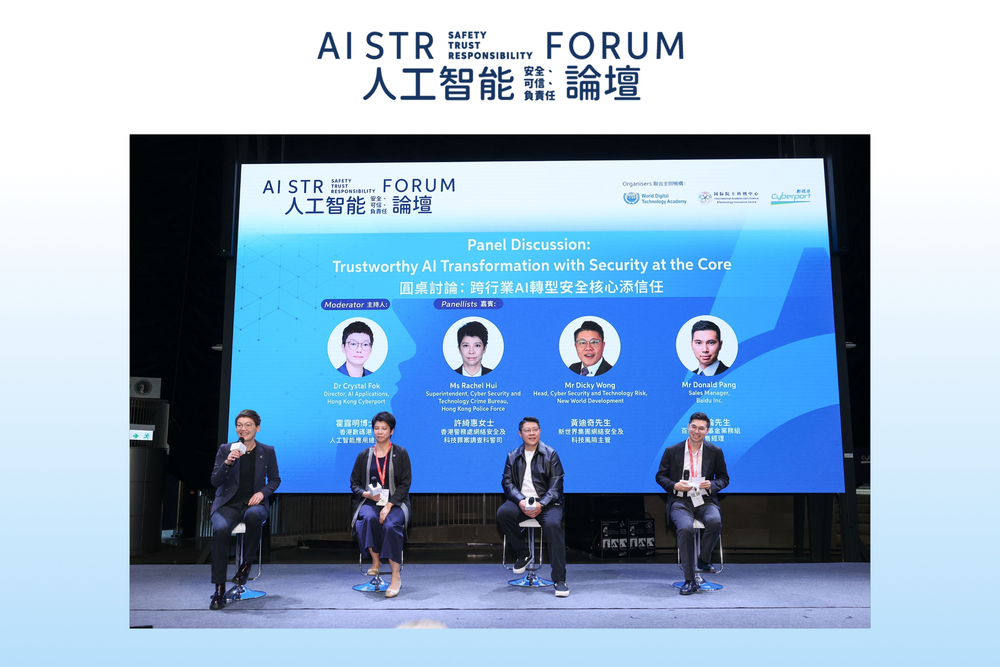
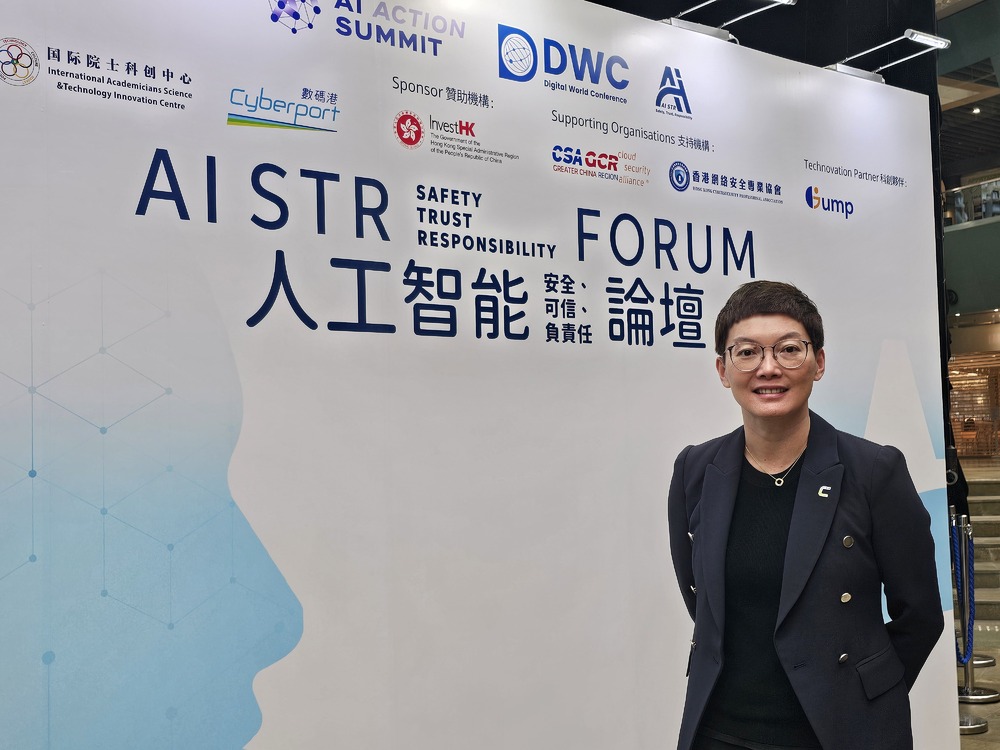
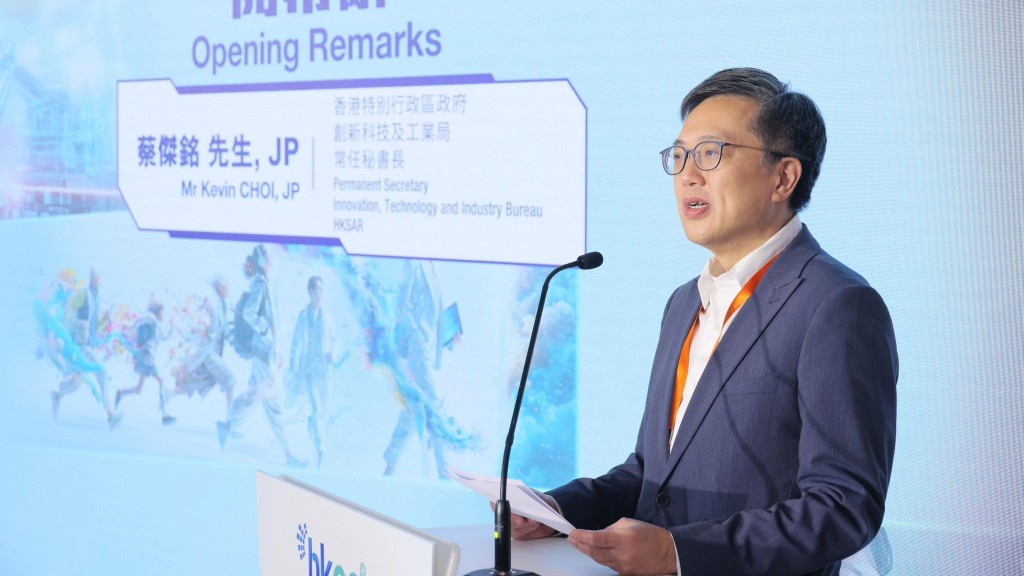
Cyberport, in collaboration with the World Digital Technology Academy (WDTA) and the International Academicians Science & Technology Innovation Centre (IASTIC), co-hosted the ‘AI Safety, Trust, and Responsibility (AI STR)’ Forum.
The forum brought together academic leaders, industry experts, and specialists from around the world to discuss the safety, trust, and responsibility issues surrounding AI development and how to balance innovation with regulation.
The event, which served as the Hong Kong session of the recently concluded AI Action Summit 2025 in Paris, provided a platform for participants to exchange in-depth insights on the risks and challenges in AI development and explore strategies for effective governance.
Dr. Crystal Fok, director of AI Applications of Cyberport, shared her views on AI governance. “AI governance today faces challenges similar to early internet security issues—many problems only emerge when the technology becomes widespread.” She further highlighted that proactive governance is crucial to ensure AI applications do not pose unnecessary risks, especially in terms of privacy protection.
Fok emphasized that AI governance standards must strike a balance, as over-regulation could stifle innovation, while under-regulation could lead to legal and ethical risks. “The industry should take the lead in setting standards because it best understands the challenges of real-world applications. We need to ensure the standards are both feasible and actionable,” she stated.
Another key topic discussed during the forum was Hong Kong’s role as a central hub for AI development. Fok noted that Hong Kong, with its unique geographic and policy advantages, is an ideal platform for testing AI applications and standards globally.
“Hong Kong’s international appeal makes it an ideal location for testing AI technologies in different regulatory environments. With the government increasing investment in AI, Hong Kong has the potential to become a key global player in the AI industry,” Fok explained.
Fok further elaborated on Hong Kong’s potential to become a key global player in AI, highlighting Cyberport’s AI Supercomputing Centre and AI Lab as central to that vision. “The AI Supercomputing Centre is crucial for supporting high-performance computing and enabling impactful R&D,” she explained. As the largest AI computing platform in Hong Kong, the Centre plays a vital role in fostering cross-industry collaboration and driving AI innovation.
The forum also focused on the fast pace of AI development and the need for flexible regulation. Fok argued that regulatory frameworks must be adaptable in order to keep up with the rapid technological progress. “We cannot let rigid regulation hinder innovation. A ‘test and learn’ strategy ensures that we can adapt regulations as technology evolves while still maintaining safety and trust,” she said.
During the event, Cyberport signed a Memorandum of Understanding (MoU) with WDTA and IASTIC. The three parties will collaborate to promote best practices in AI testing and evaluation, actively nurture AI talent, and explore the development of AI testing infrastructure.
In addition, Cyberport signed MoUs with five local universities to foster applied AI research and talent development. These partnerships will provide new opportunities for students and accelerate Hong Kong’s growth in the AI sector.
Fok concluded that Hong Kong has the potential to become a global bridge in AI governance and standard-setting, not only driving innovation locally but also playing a key role in the formulation of international AI standards.