Read More


Night Recap - June 5, 2026
12 hours ago





Cathay Pacific's executive director and CFO Rebecca Sharpe to step down
04-06-2026 17:35 HKT
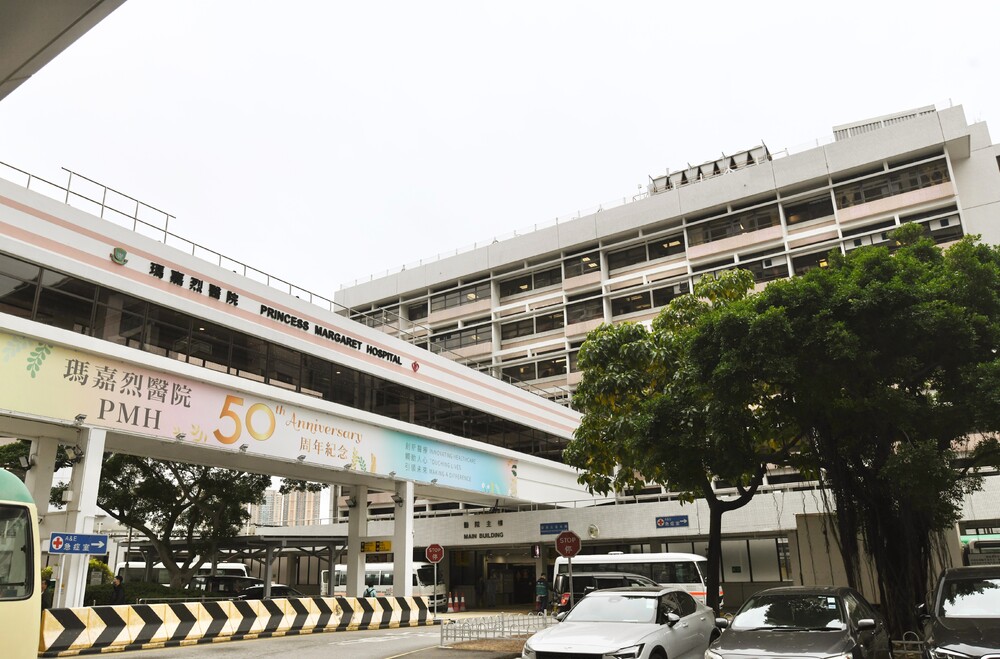
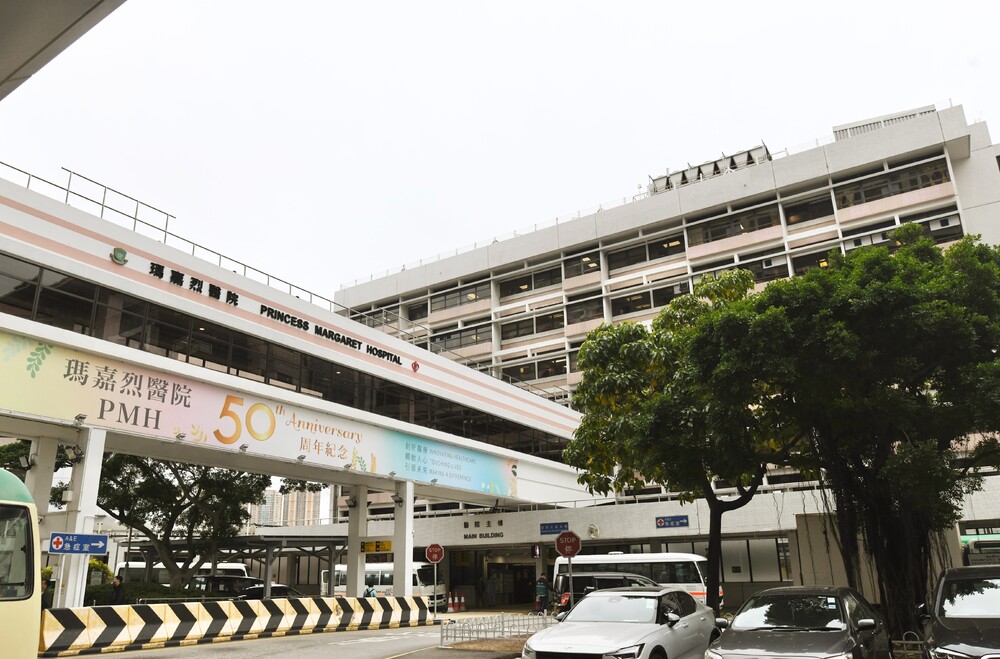
A cancer specialist from Princess Margaret Hospital died after being infected with Shiga toxin-producing Escherichia coli [STEC] last week.
The Centre for Heath Protection is investigating if the male oncologist was infected with the bacteria through contaminated food or environmental cross-infection.
Albert Au Ka-wing, head of the CHP's Communicable Disease Branch, said the victim was among a cluster of three specialists in the oncology department of the public hospital in Kwai Chung. The three doctors did not eat at the same restaurant before onset of symptoms of fever and stomach ache on Feb 4, 6 and 10, respectively.
The doctor who fell ill on Feb 4 passed away three days later on Feb 7.
The hospital found STEC in the stool sample of one doctor, while the deceased and the other doctor's samples tested negative.
About 40 environmental samples have been collected from the oncology department's office and other locations, along with 20 samples from pantries for analysis.
Yuen Kwok-yung, chair in the Department of Microbiology and Henry Fok professor of infectious diseases at the University of Hong Kong, said the man was in good health and had no chronic diseases, noting it was rare for a healthy adult to die from such infection.
At this stage, no possibilities can be ruled out, and a post-mortem examination may be necessary to determine the cause, he said.
Yuen said that since the doctor had already received antibiotic treatment upon admission, the chances of identifying the cause were further diminished.
Since drinking water in Hong Kong is chlorinated, he believes the likelihood of infection through drinking water is minimal.
Kowloon West cluster chief executive Alexander Law Chun-bon, also the chief executive of PMH and North Lantau Hospital, said the oncologist was in generally good health but developed a severe infection upon admission on Feb 6, presenting with low blood oxygen level and a high fever, and required intubation upon admission.
No other patient in his ward showed any symptoms.
Law added that the three doctors worked in the same building and had used a pantry on the sixth floor for meals. The pantry is shared by about 30 doctors, and the two other infected doctors have mild symptoms, with one already discharged.
According to the CHP, Shiga toxin-producing E. coli can produce potent toxins and cause severe food-borne illness, with symptoms including abdominal cramps and diarrhea.
In a small number of cases, the infection may lead to life-threatening complications.
The STEC is primarily transmitted to humans through the consumption of contaminated food, such as raw or undercooked ground meat, contaminated fruits and vegetables and unpasteurized dairy products.
Au said: "Between 2015 and 2025, the center recorded 33 cases. Such infections are very rare in Hong Kong, with an average of only about 0 to 6 cases reported each year."
Secretary for Health Lo Chung-mau expressed deep sorrow about the oncologist's death and extended heartfelt condolences to the family.
"His professionalism, passion for work and concern for patients have deeply moved me; he truly set an example for his peers in the medical community."
Lo added that the Centre for Health Protection is conducting epidemiological and environmental investigations regarding the incident and will submit the report results to the public as soon as possible.
(Cheng Wong)
(Updated at 7.58 pm)