Read More








Night Recap - May 21, 2026
7 hours ago

ImmD crackdown targets moonlighting domestic helpers arresting 17
19-05-2026 17:52 HKT



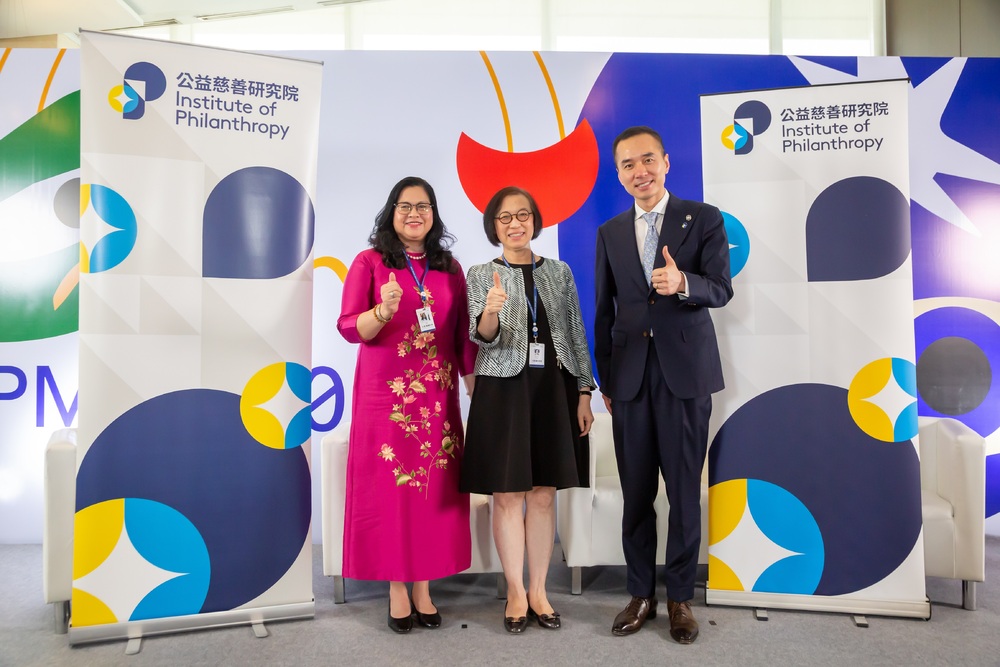
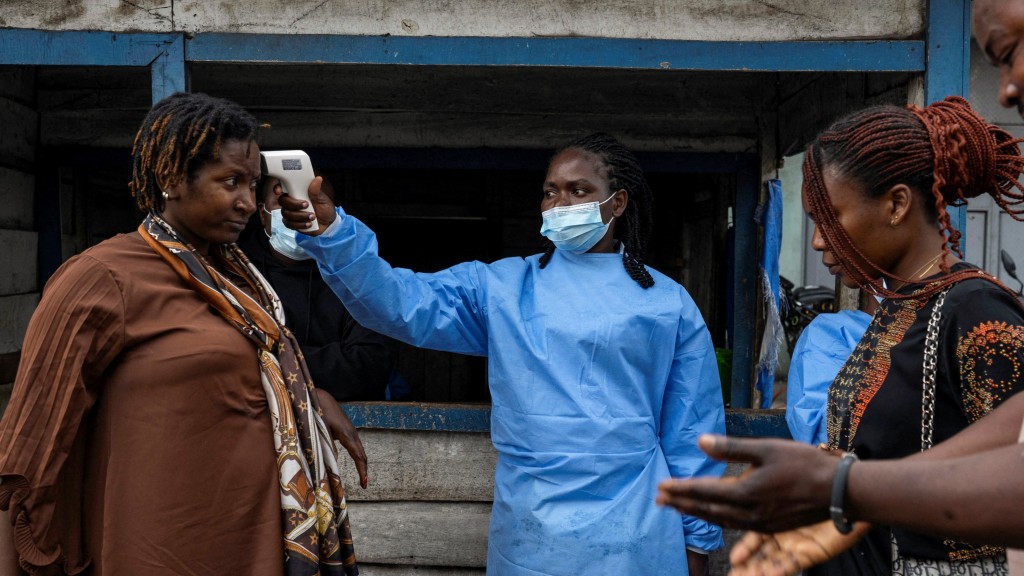
Non-communicable diseases such as cancers, diabetes, cardiovascular and chronic respiratory diseases account for more than 74% of deaths worldwide and present developing countries with serious challenges.
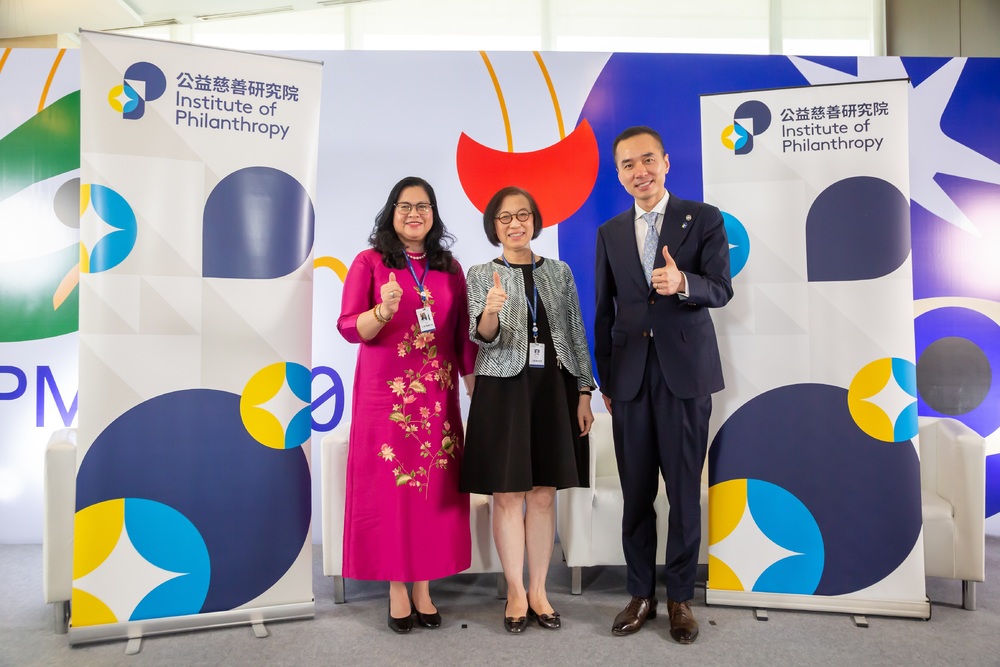
To address this global health issue, the week-long Prince Mahidol Award Conference 2025 was held in Bangkok, Thailand from 28 January to 2 February. Co-hosts included The Hong Kong Jockey Club Charities Trust, Institute of Philanthropy, World Health Organization, United Nations Development Programme (“UNDP”), and other United Nations agencies and philanthropic foundations.
The Institute of Philanthropy (“IoP”), established through a strategic seed grant from The Hong Kong Jockey Club and its Charities Trust, staged a special event on “Non-communicable Disease Management in a Primary Healthcare Setting” at the conference. It announced a pilot project with a contribution of US$1.9 million (HK$14.8 million) to the World Health Organization’s Regional Office for the Western Pacific (“WPRO”) to develop a control and management protocol for non-communicable diseases in the Philippines, Tonga and the Solomon Islands.
The three-year project will manage non-communicable diseases from end to end, encompassing prevention, early identification, treatment and long-term management as well as complication prevention in primary-care settings.
Dylan Lu, Co-Secretary-General (Programmes) of IoP, said: “This donation clearly showcases our commitment to global health through collaboration with the WHO, together with the US$11.2 million funding pledge that IoP made at the WHO Investment Round in May and October 2024.”
In addition, the Club’s Charities Trust and The Chinese University of Hong Kong, in association with IoP, co-convened a side programme, presenting findings from two Trust-supported initiatives for a care model harnessing biogenetic markers, big data algorithms and the latest wearable technologies. The aim is to improve health outcomes and empower self-management among people living with or at risk of diabetes.
IoP and UNDP also co-convened a side programme highlighting case studies on innovative technologies being used for the prevention and management of non-communicable diseases to mobilise resources and foster collaboration in the Global South.