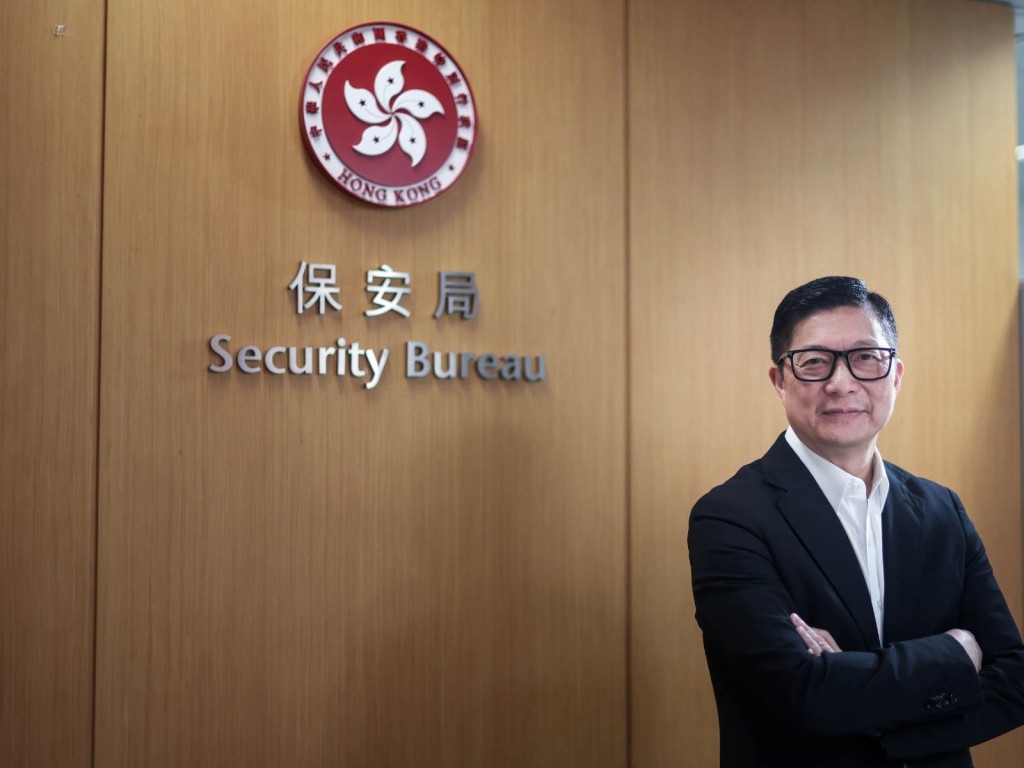
Financial Secretary Paul Chan Mo-po indicated that there is room for cost-cutting in education and healthcare, and that the HK$2 Scheme for the elderly will be adjusted in response to the fiscal deficit.
On a radio program on Sunday, Chan said that local universities have financial reserves that should be effectively utilized to give the government 2 to 3 years to consolidate its finances.
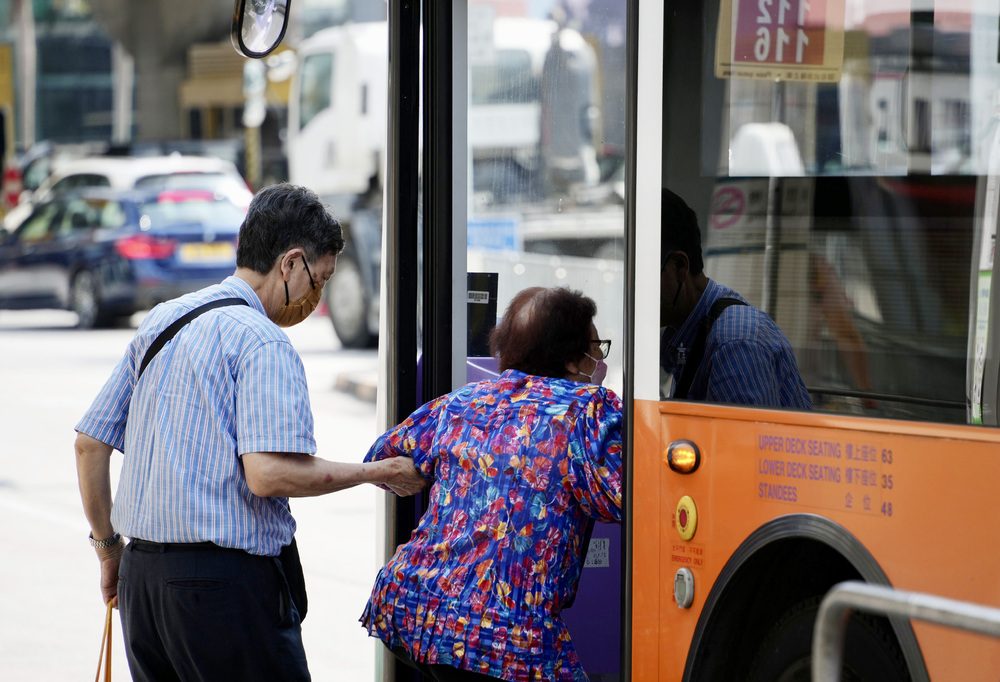
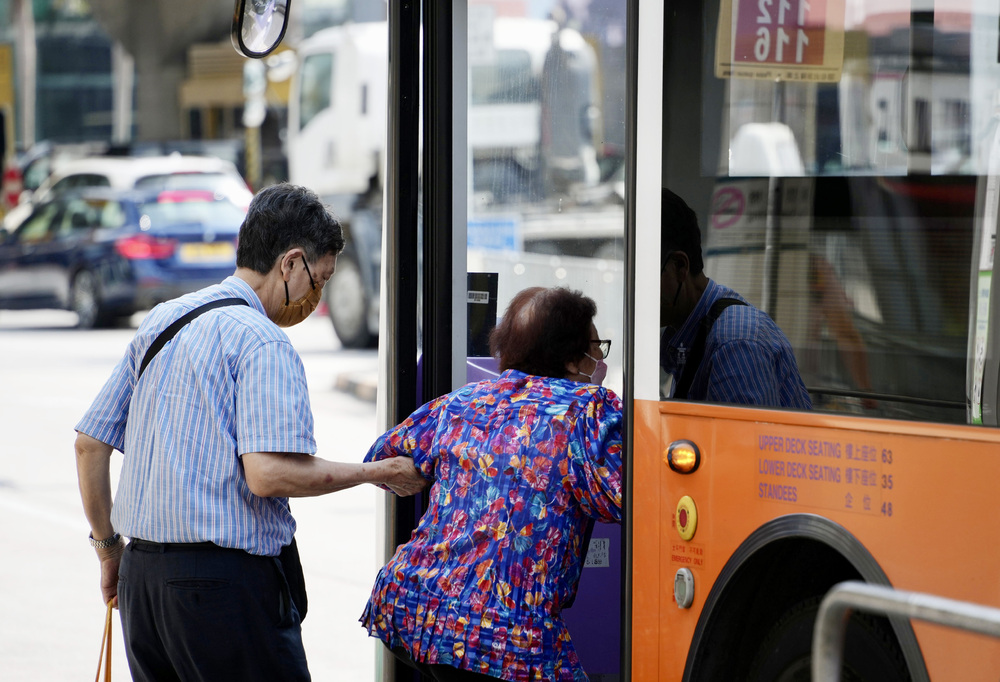
He also said that the HK$2 scheme for the elderly cannot remain unchanged in the long run, as it is not financially sustainable, and the government will seek feedback on potential changes while tackling misuse of the discount.
Regarding suggestions for reducing or freezing civil servant salaries, Chan said the need to consider their impact on the private market, especially given the current low unemployment rate, which differs from the environment in 2003 when a salary freeze was implemented.
He underscored the importance of careful expenditure management to avoid hasty decisions that could harm government services and society.
Chan also said the government has prepared contingency plans for the US tariffs on Chinese imports, believing the impact on the US will be greater.
“Under President Donald Trump’s administration, coupled with his proactive stance on domestic investment and infrastructure, inflation will remain high. This will also affect us, as higher interest rates will persist due to the peg between the Hong Kong dollar and the US dollar.”
He added that the SAR’s economy has started the year steadily, with positive trends and good visitor numbers, and the authority will continue to work on economic development while preparing for external challenges.
Chan also said the growing importance of global multilateral and regional cooperation, emphasizing that many countries collaborate based on common interests.
Also, many Chinese companies have relocated production to Vietnam and Malaysia to mitigate the effects of US tariffs, boosting trade between China and the Association of Southeast Asian Nations.
(Cheng Wong)