Read More


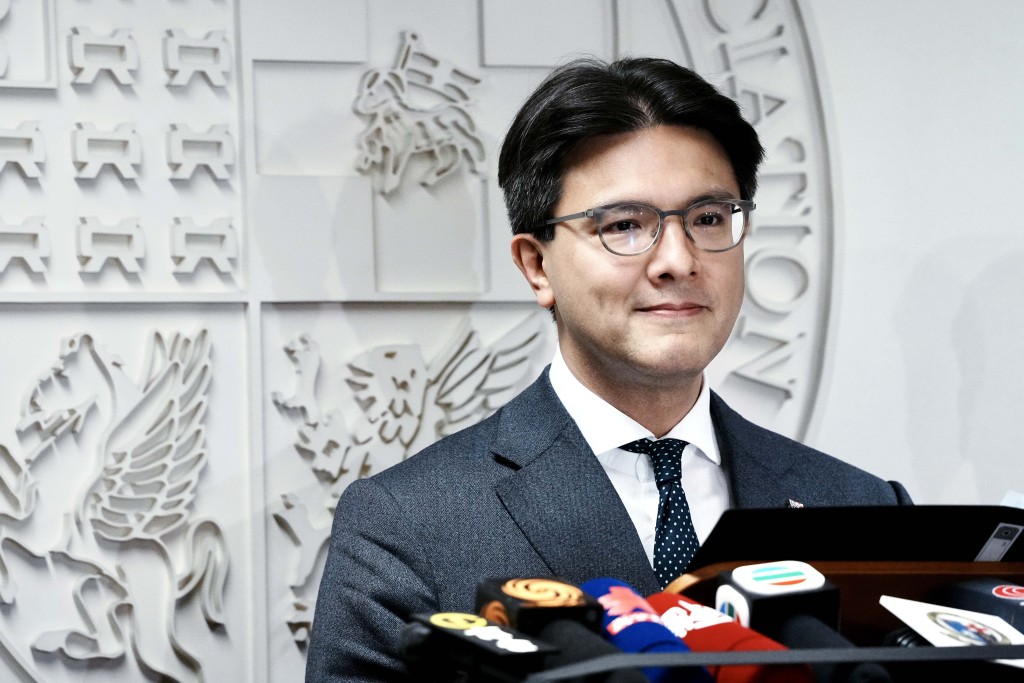
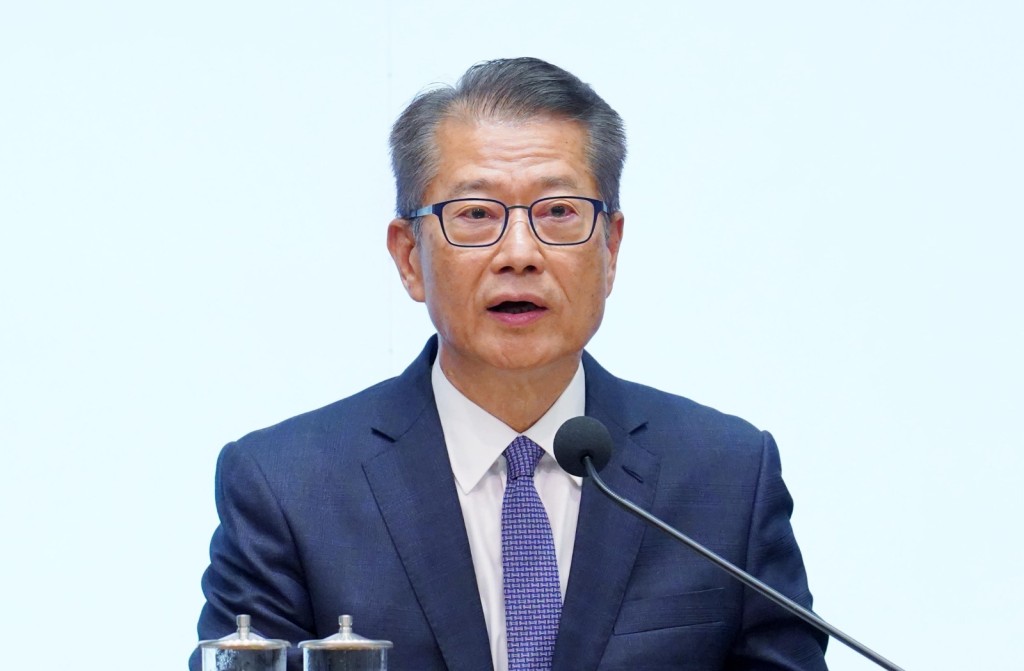




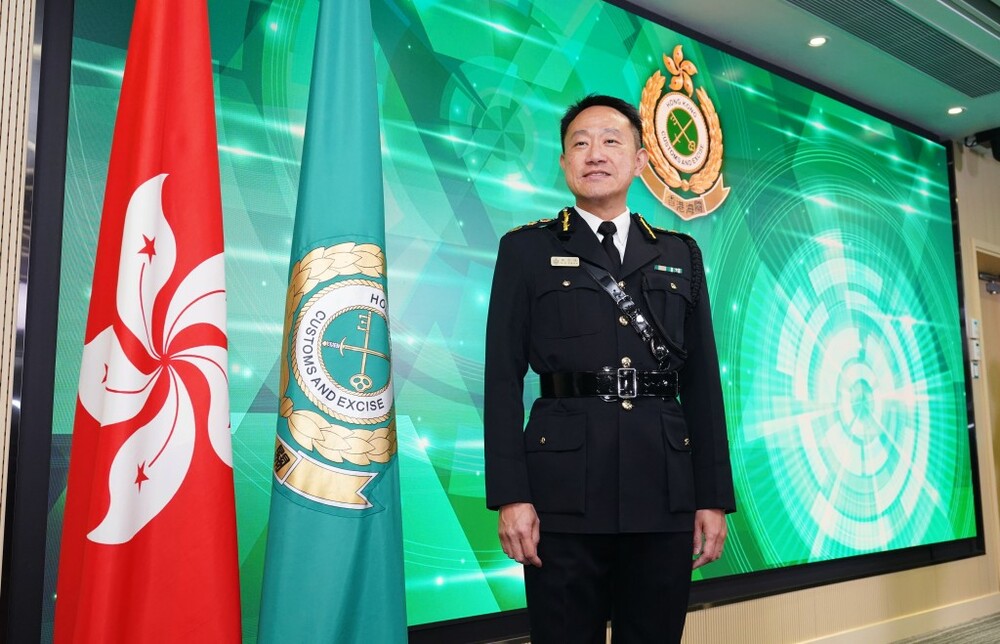
Hong Kong’s new Customs chief Chan Tsz-tat said on Friday that a duty-paid labeling system for tobacco could be introduced in the third quarter of next year at the earliest, with a trial scheme set for mid-2025.
Local authorities previously floated the idea of mandating tobacco products in Hong Kong to carry laser labels to show they are legitimate goods, in a bid to crack down on black-market cigarettes.
Speaking to reporters today, Chan said the government had in last year commissioned a consulting firm to study the labeling system and is now nearing completion.
Technological methods will be used to add anti-counterfeiting features to taxed cigarettes, allowing customs to identify them by scanning.
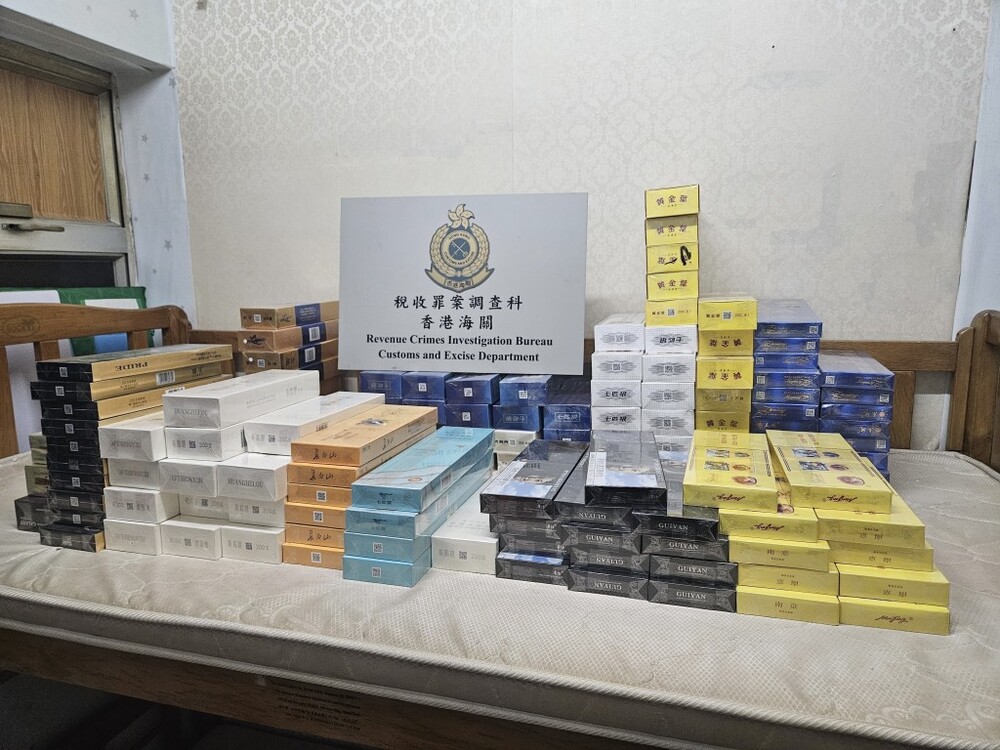
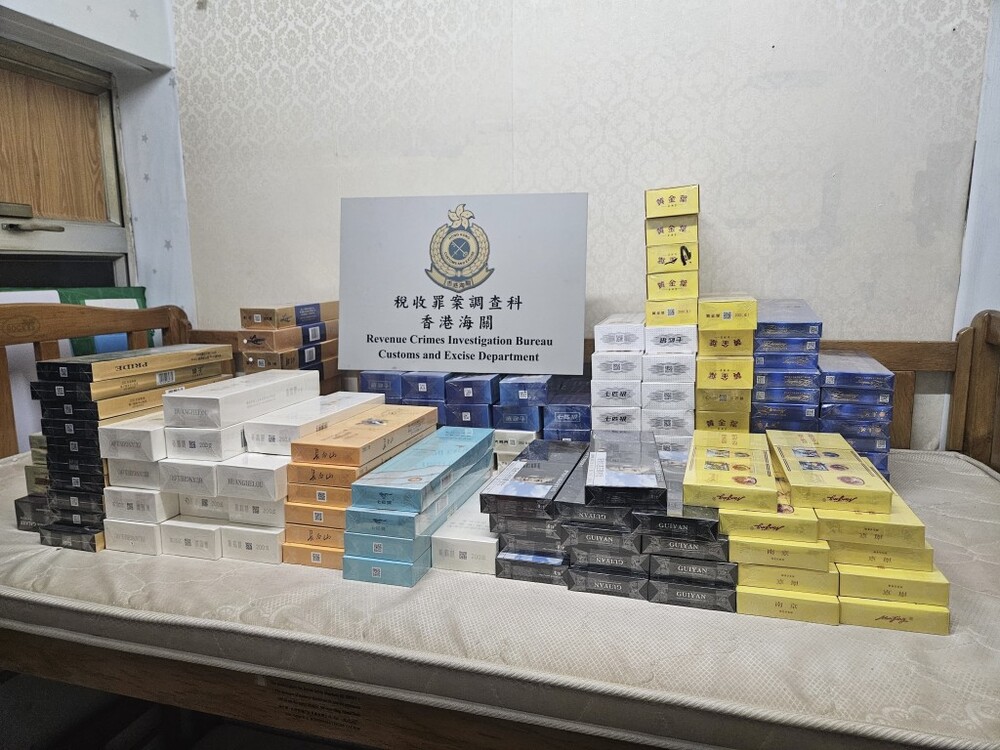
He said following the increase in tobacco taxes by the SAR government, the number of cases involving illicit cigarettes intercepted in the past year or two has been "staggering."
In 2024, there were over 21,200 cases, an 80 percent increase from the previous year, resulting in the seizure of 610 million illicit cigarettes. The tax value involved in these cases amounted to HK$2.7 billion, with most of them being smuggled into Hong Kong by sea.
Chan also highlighted that Customs has enhanced enforcement measures to restrict tax-free cigarettes brought in by travelers. The number of related cases has risen from over 9,800 in 2023 to over 19,000 last year, a 94 percent increase.
Meanwhile, commenting on measures to tackle space oil drug cases, Chan said his officers are dedicated to enhancing measures to stop the drug from entering the city, including those produced locally and those smuggled in from abroad.
He said frontline officers are now equipped with specialized equipment to detect the drug.
"We have been using ion scanners as well as Raman spectrometers. These two types of equipment are very effective in detecting whether any consignment contains such drugs.
"On top of our detection on the front line, we also use a risk-based and intelligence-led approach to suppress the smuggling of dangerous drugs," Chan added.