Read More







Night Recap - May 21, 2026
6 hours ago




ImmD crackdown targets moonlighting domestic helpers arresting 17
19-05-2026 17:52 HKT

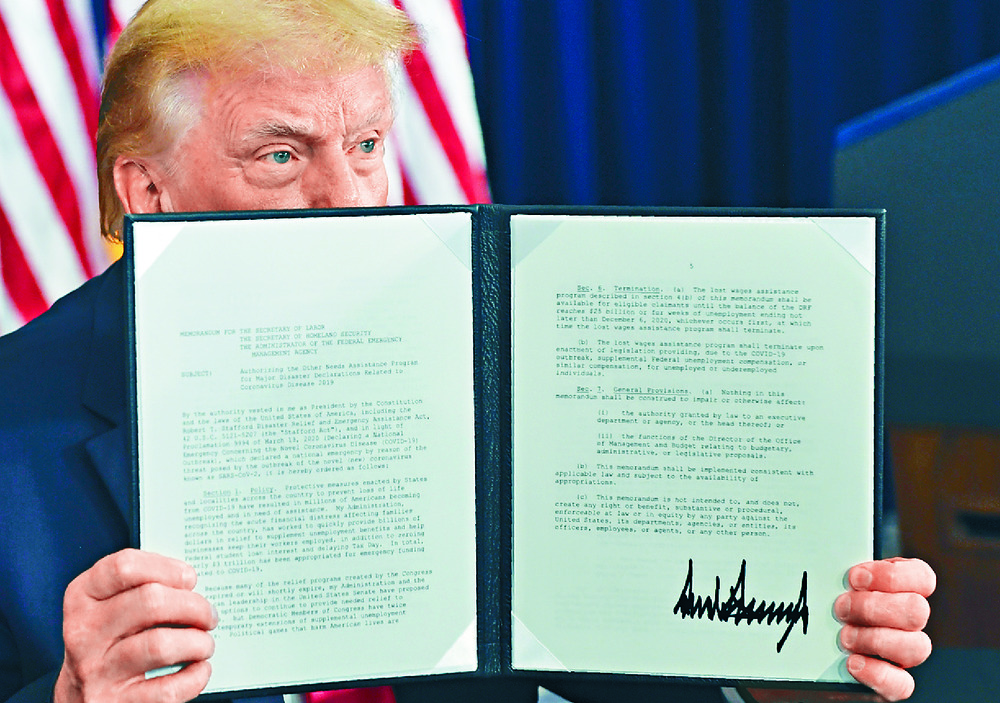
Donald Trump bypassed the nation's lawmakers as the US president claimed the authority to defer payroll taxes and replace an expired unemployment benefit with a lower amount after negotiations with Congress on a coronavirus rescue package collapsed.
Trump's orders encroached on Congress' control of federal spending and seemed likely to be met with legal challenges.
He cast his actions as necessary given that lawmakers have been unable to reach an agreement to plunge more money into the stumbling economy, which has imperiled his reelection chances in November.
Trump moved to continue paying a supplemental federal unemployment benefit for millions of Americans out of work during the outbreak.
But his order called for reduced payments of up to US$400 (HK$3,120) each week. People had been collecting US$600.
The previous unemployment benefit, which expired on August 1, was fully funded by Washington, but Trump is asking states to now cover 25 percent.
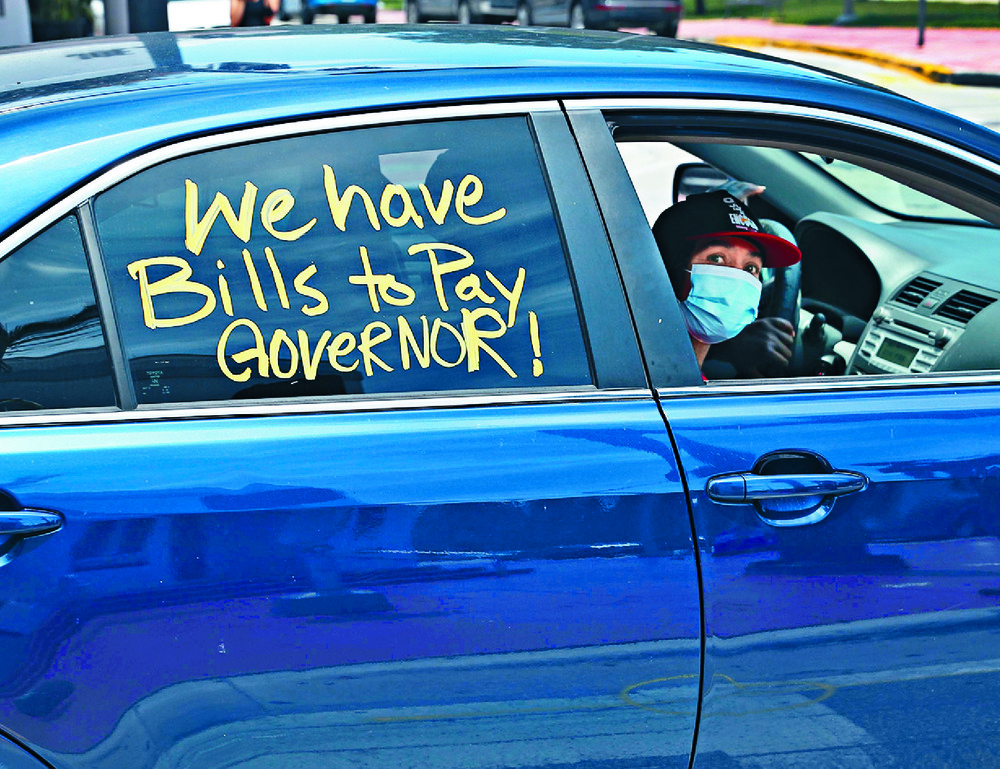
Many states already faced budget shortfalls due to the pandemic and would have difficulty assuming the new obligation.
Trump was hoping the four executive orders he signed will signal to Americans that he is acting where Congress will not to address economic fallout from the pandemic.
But his orders do not address several areas that have been part of Congressional negotiations, including funding for schools and state and local governments.
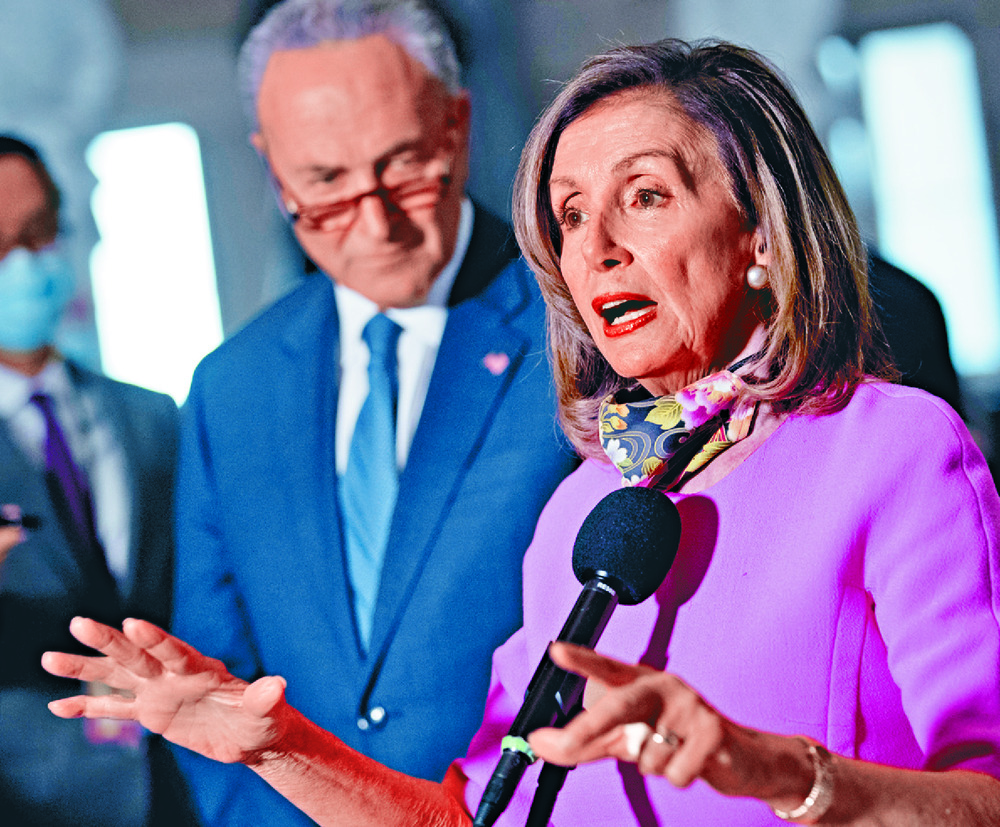
House Speaker Nancy Pelosi and Senate minority leader Chuck Schumer dismissed Trump's actions as "meager" in the face of economic and health crises facing Americans.
Democrats initially sought a US$3.4 trillion package but said they lowered their ask to US$2 trillion. Republicans had proposed a US$1 trillion plan. Trump's Democratic opponent in the presidential race, Joe Biden, called the orders "a series of half-baked measures" and accused him of putting at risk Social Security.
Trump's embrace of executive actions to sidestep Congress ran in contrast to his criticism of predecessor Barack Obama's use of executive orders on a more limited basis.
The orders "will take care of pretty much this entire situation as we know it," Trump said, despite the fact that they are far smaller in scope than Congressional legislation and even aides acknowledged they did not meet all needs.
In addition to the extension of some unemployment benefits, Trump's orders call for a deferral of payroll tax and federal student loan payments and efforts to halt evictions.
The evictions executive order directs the Treasury and Housing and Urban Development departments to identify funds to provide financial assistance to those struggling to pay their monthly rent.
Trump said the employee portion of the payroll tax would be deferred from August 1 to the end of the year. The move would not directly aid unemployed workers, who do not pay the tax when they are jobless, and employees would ne ed to repay the federal government eventually without an act of Congress.
In essence, the deferral is an interest-free loan that would have to be repaid.
Senate majority leader Mitch McConnell said he supported Trump "exploring his options to get unemployment benefits and other relief to the people who need them the most.''
The Democratic chairman of the House ways and means committee, Richard Neal, accused Trump of "brazenly circumventing Congress to institute tax policy that destabilizes Social Security."
And the use of executive actions drew criticism from Republican senator Ben Sasse, who talked of "unconstitutional slop."
ASSOCIATED PRESS