Read More





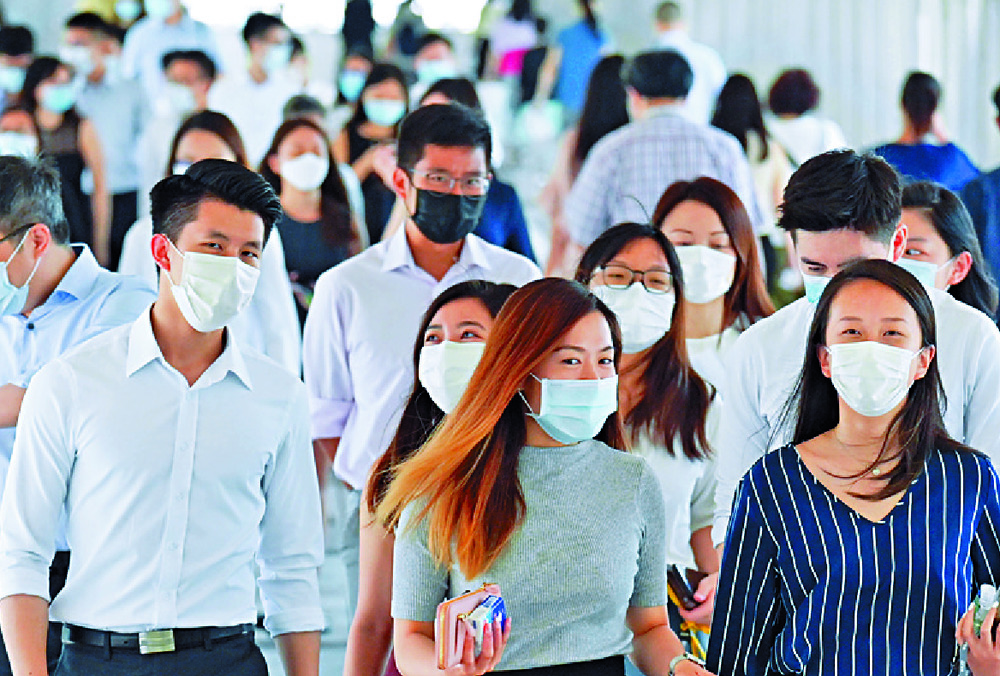
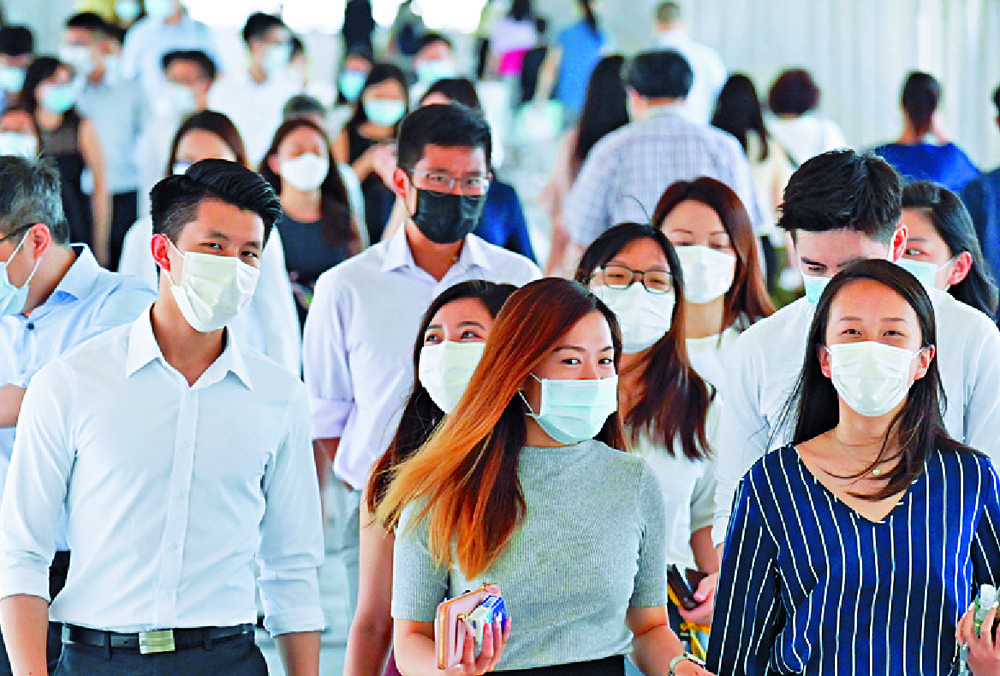
A staggering 70 percent of Hongkongers are moderately or highly depressed as a result of the Covid-19 pandemic and unstable economy, a survey has found.
The University of Hong Kong's Department of Psychiatry surveyed more than 11,000 people from February to July this year and found that depression among the population has significantly deteriorated, with 74 percent showing depressive symptoms.
A survey by the HKU School of Public Health from June to November last year found 11.2 percent of respondents showed depressive symptoms.
The new survey also found more than 40 percent showed symptoms of moderate to high post-traumatic stress disorder while nine out of 10 also experienced significant depressive symptoms.
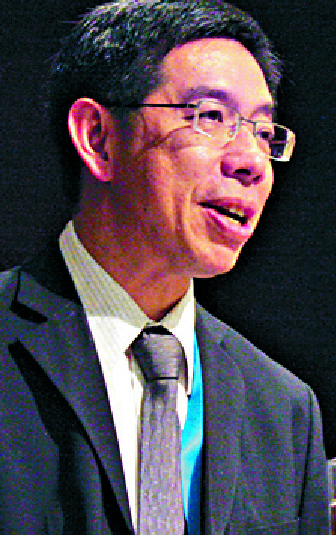
The chair professor and head of the Psychiatry Department, Eric Chen Yu-hai, said that the situation is "very alarming" as a huge proportion of the respondents showed high levels of post-traumatic stress disorder or depressive symptoms.
"We cannot escape the fact that the overall mental health situation in Hong Kong is not good, and we are in a serious situation now," Chen said.
Uncertainties for the future created by the pandemic, combined with lingering effects of the social movement and personal stressors such as disputes with family and friends, have a cumulative effect that leads to a large number of stressed people, he said.
Those affected by all three factors showed a 41.6 percent increase in event-induced symptoms and 31.8 percent increase in depressive symptoms.
More than 65 percent of respondents felt lost about their future as they could not see the endpoint of the pandemic and 52.7 percent were stressed over the lack of protective gear.
"The Covid-19 also imposes a limit to our normal life, as we cannot meet our friends regularly or have any social activities under social- distancing measures," Chen said.
The situation was worst for young adults aged 24 or below as more than 45 percent of them had symptoms of stress disorder. Nearly half of young people also had depressive symptoms.
Major symptoms of post-traumatic stress disorder include having flashbacks, inability to remember important parts of the event, and self-destructive or reckless behavior. Some of the key depressive symptoms can be a feeling of worthlessness, insomnia and suicidal ideas.
A college freshman, 19, who had been set to start university in Britain, returned amid the pandemic. She told The Standard that she was stressed over the past few months as she did not know when she could go back to Britain, given the pandemic showed no signs of slowing down.
"I started late-night snacking because I was watching dramas at midnight and it was very comforting. Little did I know some of my clothes are not fitting anymore," she said.
"I should be enjoying my freshman year on my campus yet I'm now left with online classes and part-time jobs," she complained.
The HKU team predicts that the situation might worsen, given the ongoing pandemic and the change in the political climate. "Some of the people are unwilling to seek professional help due to the lack of trust in the public health system, particularly young people," Chen said.
He urged the government to restore public confidence in medical care by protecting patients' privacy.
The team suggested that the public can use online mental health recognition tools, such as the Flow tool created by the Youth Mental Health Initiatives from HKU, to better access their mental health. People can reduce using their mobile phones and build better sleep patterns to improve their mental health.