Read More
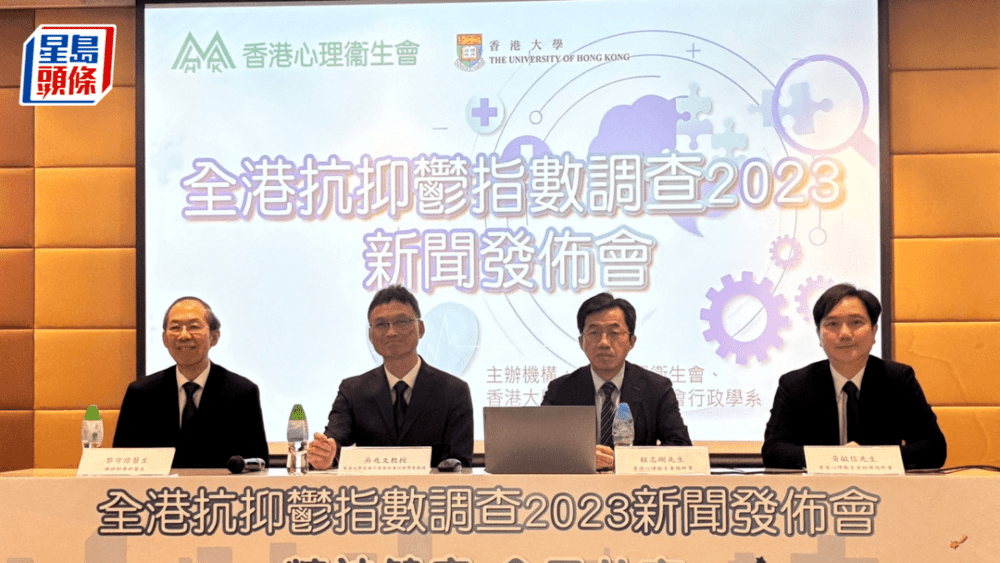
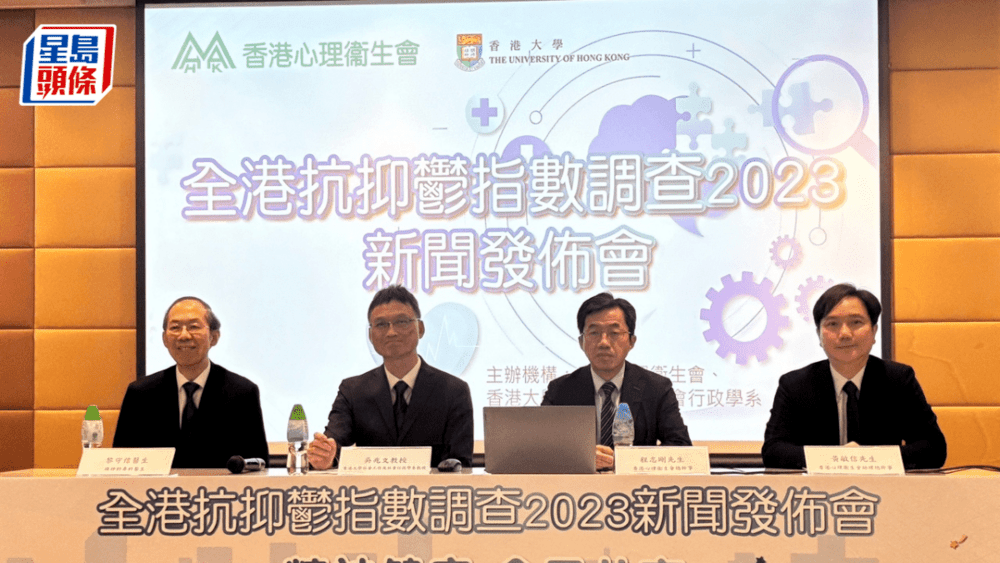
Hongkongers’ depression rates have reached a record high, with the severe depression rating skyrocketing by over 30 percent as compared to 2020, a survey by the Hong Kong Mental Health Association has found.
The survey also found that the primary causes of depression now centered around family, work, health, and financial issues, having shifted from pandemic and political matters.
The association received 2,900 valid responses through street kiosks and online questionnaires between May and November last year and found more men and teenagers have shown symptoms of depression, while men are less likely to seek professional help.
Ng Siu-man from the HKU’s Department of Social Work and Social Administration said such a finding is alarming, saying that our society should not assume that depression is a disorder primarily of women, while there should also be support measures for men.
The survey also found that nearly 44 percent of young respondents aged 18 to 24 are affected by moderate to severe depressive symptoms, a figure significantly higher than the other age groups. Their main concerns primarily revolve around academic issues.
Ching Chi-kong, director of the association, suggested that the phenomenon of young people feeling uncertain about their prospects becomes more apparent as society develops.
In addition to implementing the Three-Tier School-based Emergency Mechanism, which aims to prevent student suicides, the government should devote more resources to vocational education and provide industry support to offer pathways for young people with different abilities, said Ching.
He added that it is also crucial to change societal values and not view vocational education as an inferior course of study, which are key to addressing the root causes of the issue.
The association suggested that the government introduce tailored support services for men, such as online counseling and self-learning courses, to help men understand their emotional needs and motivate them to seek help.
It also recommended that the authorities, in collaboration with various sectors, develop long-term mental health policies, including the promotion of mental health education in schools and allocating more resources to support services.
ADVERTISEMENT
SCROLL TO CONTINUE WITH CONTENT