Read More






Morning Recap - September 21, 2026
8 hours ago





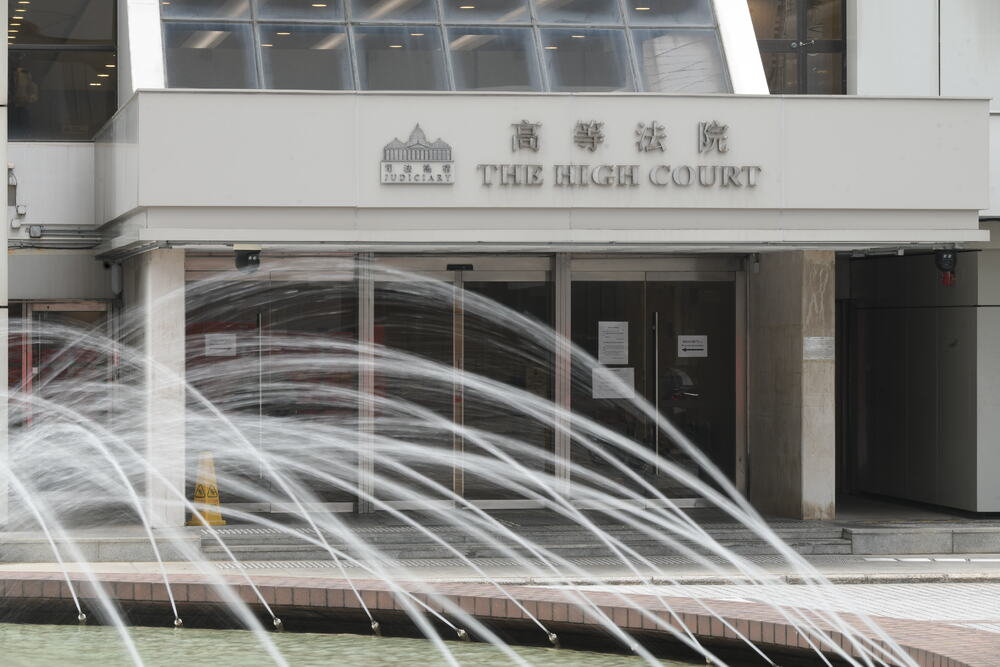
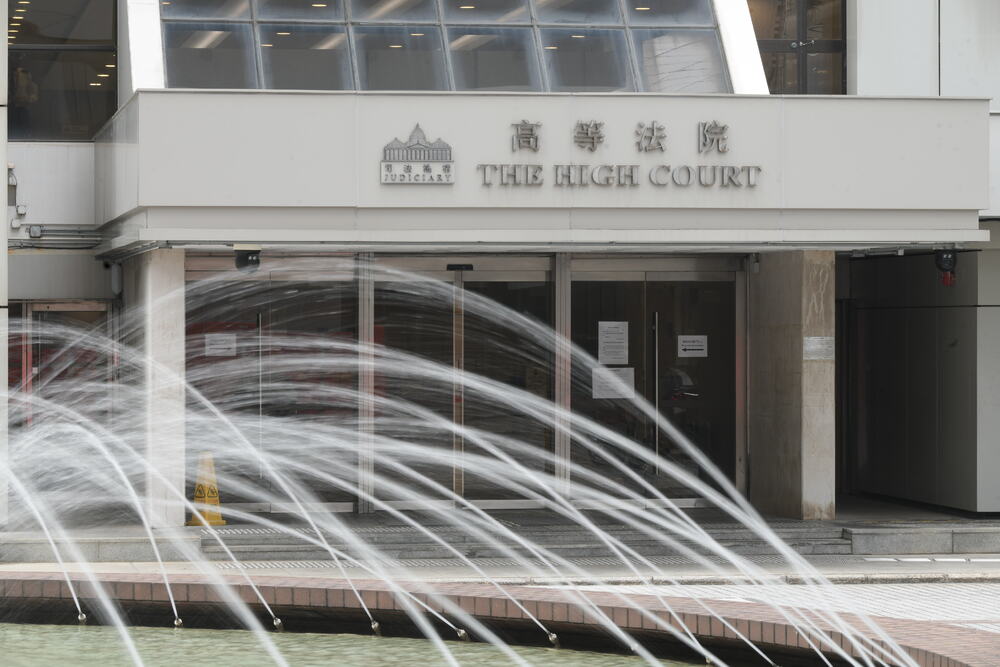
The High Court has rejected the legal bid on Wednesday made by a Hongkonger who wishes to challenge the government on criminalizing jaywalking, with the judge saying that he failed to identify any reasonable arguments based on public law.
The application for a judicial review was filed by 20-year-old citizen Tsang Ming-ho in December, who was earlier slapped with a HK$2,000 fine for jaywalking.
The writ listed the SAR government, the Transport Department, and Development Bureau and the Legislative Council as the respondents.
Tsang argued that it is a systematic government agencies failure that there is inadequate city pedestrian infrastructure and sanitation.
He added that the jaywalking law was “unevenly enforced in lower income residential neighborhoods.” Although the HK$2,000 fine may not be too much for a high ranking official, “it is an undue burden for low income residents and retirees with no income,” he also said.
He asked the court to rule that the jaywalking offense as unconstitutional, and it is unconstitutional that the Legislative Council and government departments fail to enact modern pedestrian friendly laws, maintain satisfactory pedestrian facilities, and issue jaywalking tickets indiscriminately.
In the judgment released today, Tsang’s application was dismissed by High Court judge Coleman Russell.
Judge Russell recalled Tsang’s argument that the jaywalking law violated citizens’ freedoms protected by Article 28 of the Basic Law, but said there is no reasonable argument connecting the article and Tsang’s complaints.
“The creation of the jaywalking law, and setting the level of the fine to be imposed for its breach, are matters firmly within the realm of the legislature,” Russell said, adding that the court will not abdicate its powers to interfere.
He continued that it seems to him “obviously” not irrational for the law to exist and for the penalty to discourage pedestrians from putting themselves in obvious potential danger.
“To suggest that jaywalkers should be stopped only when a reasonably careful person nearby perceives an immediate danger of collision between the pedestrian and a moving vehicle seems to me to create an obvious risk of taking action too sporadically and/or too late,” he also said.
Yet, Russell noted that there may be room for citizens to express concerns or complaints about pedestrian traffic light design or timings, and the state of maintenance of pavements and footpaths.
Only that such complaints do not fall to be dealt with by the court in judicial review, he added.