Read More
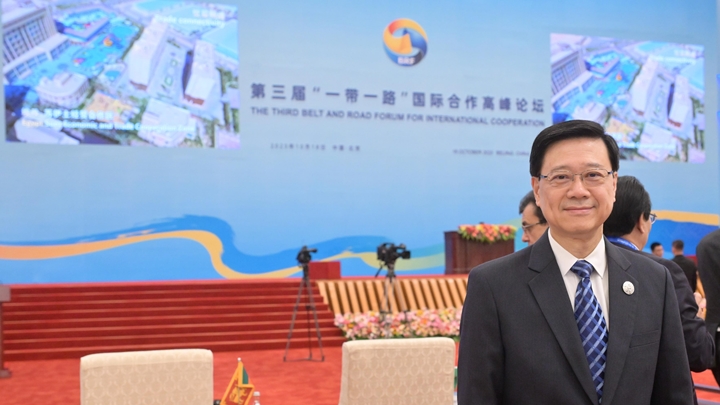
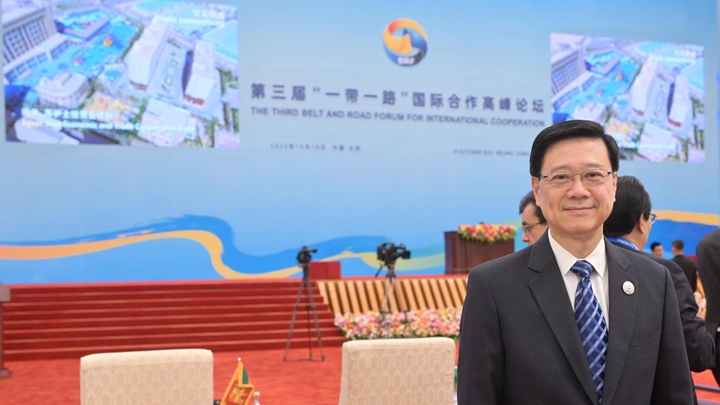
Chief Executive John Lee Ka-chiu and 15 other government officials and non-official delegation members delivered their speeches or moderated at conferences of the Third Belt and Road Forum for International Cooperation on Wednesday.
ADVERTISEMENT
SCROLL TO CONTINUE WITH CONTENT
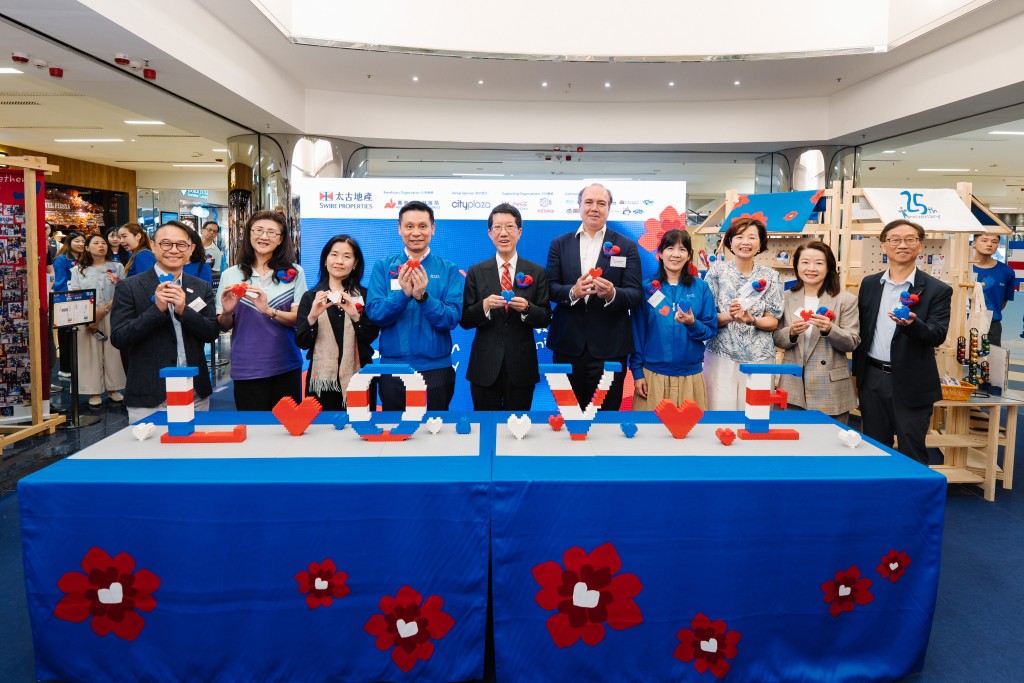
Lee attended the Forum's opening ceremony this morning with Financial Secretary Paul Chan Mo-po and the Chairman of John Swire & Sons (HK) Guy Bradley.
Speaking at the high-level forum focusing on connectivity for the Belt and Road Initiative (BRI), Lee briefed the participants on Hong Kong's work and contribution to enhancing convergence in infrastructure, regulations and standards.
He said Hong Kong - as a two-way platform between the country and Belt and Road countries – provides an important channel for the connectivity of capital under the BRI and also serves as a premier gateway for passengers and goods from all over the world to the mainland and vice versa.
The city leader added that Hong Kong is committed to promoting connectivity in professional services and people-to-people bonds.
In his speech delivered at another thematic forum on sub-national cooperation, Lee said the city strives to make the best use of its status as an international financial, shipping and trade center to take forward regional cooperation in the context of the BRI in various aspects to achieving mutual benefit.
Lee stated that Hong Kong has been actively promoting the integration of the Greater Bay Area and the BRI and joining hands with other GBA cities in pursuing regional cooperation and complementing each other for development along the Belt and Road.
He added that the city would be going all out to promote unimpeded external trade while mentioning Hong Kong has signed some 50 cooperation agreements with enterprises and organizations from countries in the Middle East and the Association of Southeast Asian Nations.
Lee said the city strives for early accession to the Regional Comprehensive Economic Partnership (RCEP), the world's largest free trade agreement, to deepen regional economic collaboration.
He stressed that Hong Kong as an international metropolis where East meets West will enhance mutual learning and people-to-people bonds while sending cultural and creative talent around the globe for performances and exchanges to promote the inheritance of traditional culture.
Lee also aimed to deepen the exchange of young professionals as the government launched the Belt and Road Scholarship and the Scheme for Subsidy on Exchange to Belt and Road Regions for Post-secondary Students in 2016 to encourage cooperation in education and training.
"So far, we have supported more than 3,000 Hong Kong tertiary students to go on exchange to Belt and Road countries," he added, "And supported students from about 40 Belt and Road countries to study in Hong Kong."
Lee also seeks in-depth cooperation with Belt and Road counterparts in areas like railway technology and operation, cargo and passenger transportation management, electrical engineering, corruption prevention and preventive education and so on.
Separately, six government officials and nine non-official delegation members speak or moderate at nine parallel forums, respectively.
A Hong Kong Chapter moderated by the Secretary for Justice Paul Lam Ting-kwok was featured at the thematic forum on sub-national cooperation.
Lam was joined by the Commissioner for Belt and Road Nicholas Ho Lik-chi, Chief Executive's Council advisers Allan Zeman, chairman of the Hong Kong Trade Development Council Peter Lam Kin-ngok in sharing Hong Kong's strengths in international legal and dispute resolution services, business environment and financing, as well as the developments in the participation and contribution of the younger generation in Hong Kong in the BRI.