Read More



Night Recap - October 26, 2026
4 hours ago



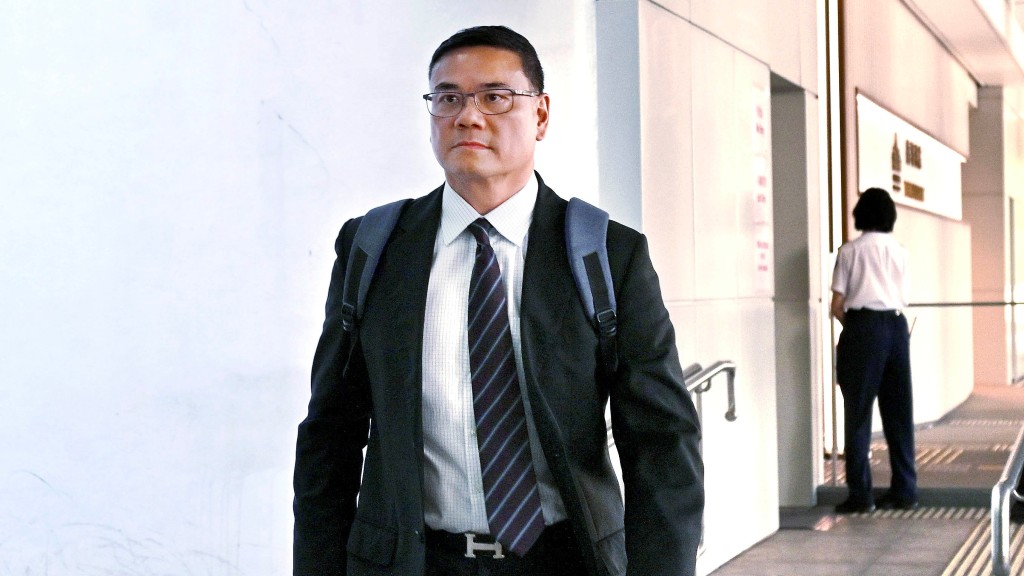
Shun Chi-Ming, the former director of the Hong Kong Observatory, questioned the MTR Corporation on its hard-and-fast rule to suspend all above-ground railway operations once the No 9 typhoon warning signal was hoisted, saying the railway company should allow for flexibility.
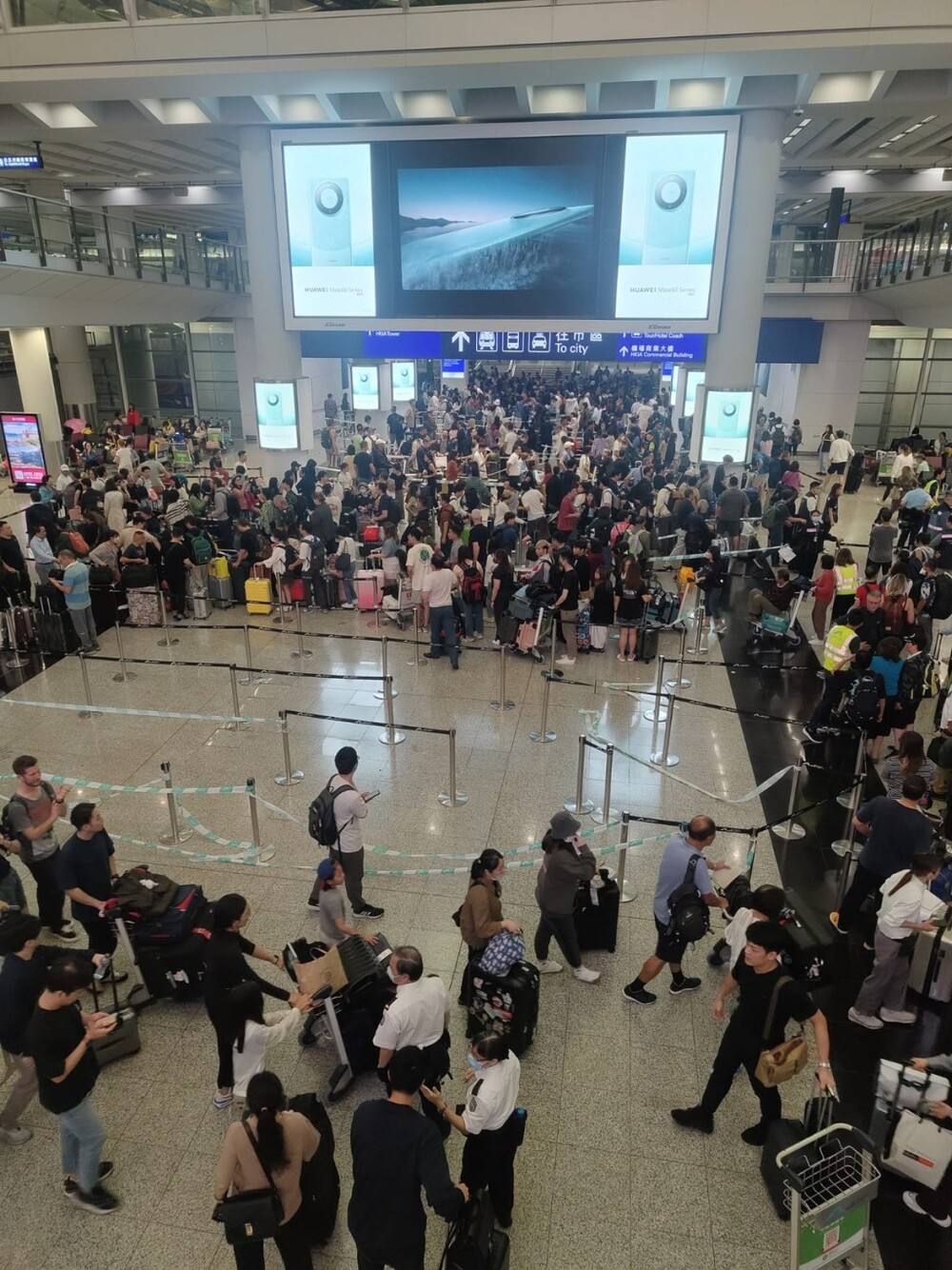
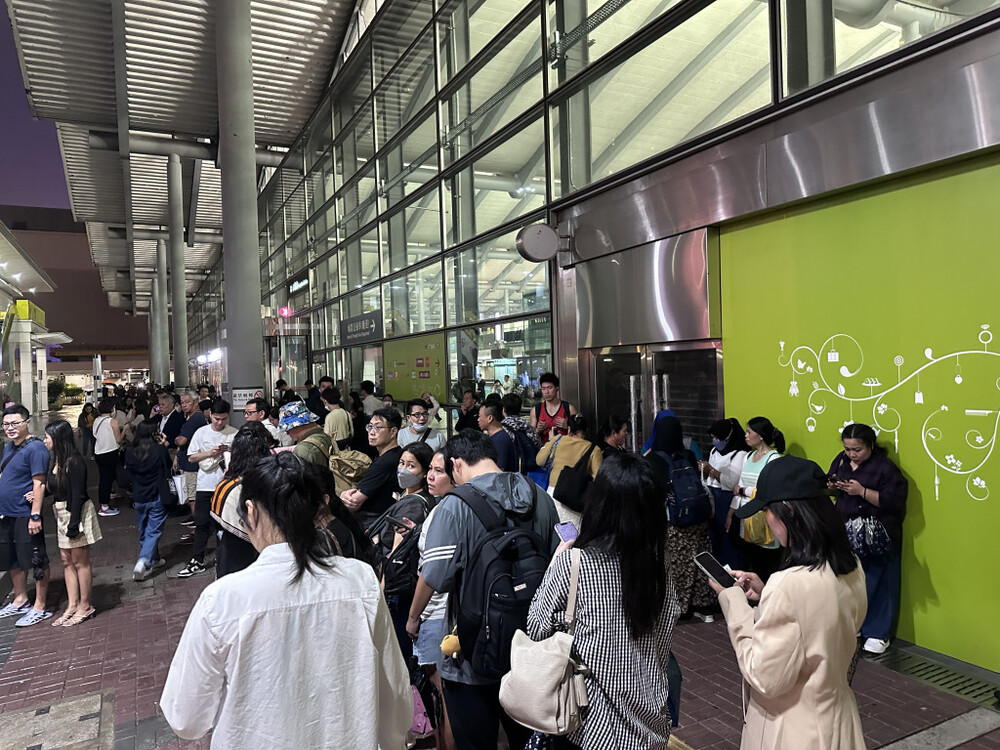
On Sunday, all above-ground railway operations came to a halt after the No 9 typhoon warning signal was issued, leaving many passengers stranded at the airport and at various MTR stations, causing long queues at the airport taxi stands amid all the chaos.
Writing in a newspaper published on Thursday, the former weatherman said the chaos that followed the service suspension was unfortunate and that the MTR should review its existing arrangement.
Shun said the decision to suspend all above-ground railway operations after the issuance of a T9 came in 2012 after Severe Typhoon Vicente hit Hong Kong. Hundreds of commuters were stranded inside train cars and MTR stations due to broken cables and fallen trees during that time.
He said, however, the situation for typhoon Koinu is different as its circulation is rather compact and small, while its associated gale winds were much weaker than that of Vicente.
The MTR Corporation should adjust its services according to the actual weather conditions and review its rule on suspending all above-ground railway operations during T9, said Shun, adding that the railway company should be able to anticipate the taxi shortage when the No 8 or higher signal was raised.