Read More

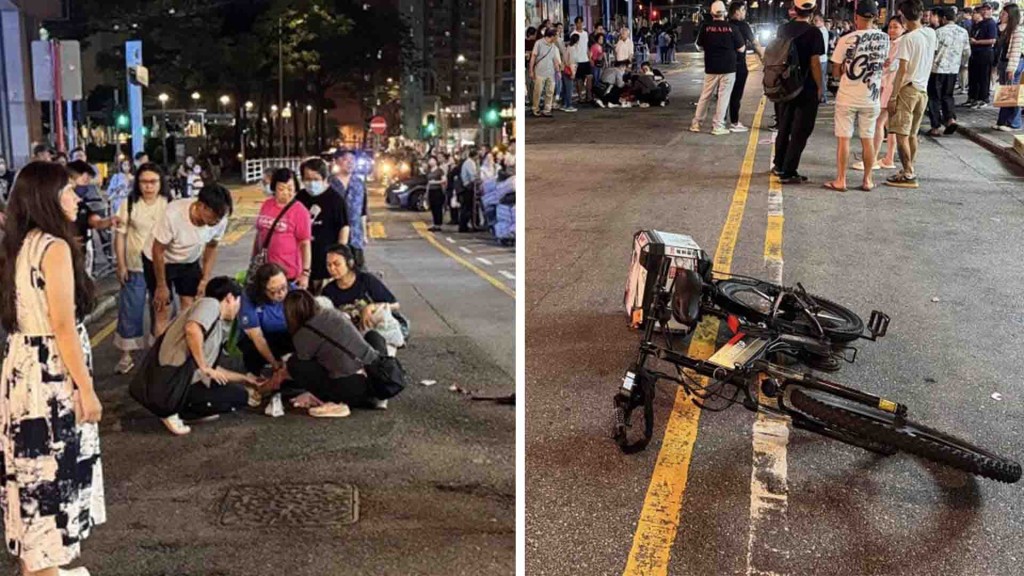



Night Recap - May 21, 2026
6 hours ago




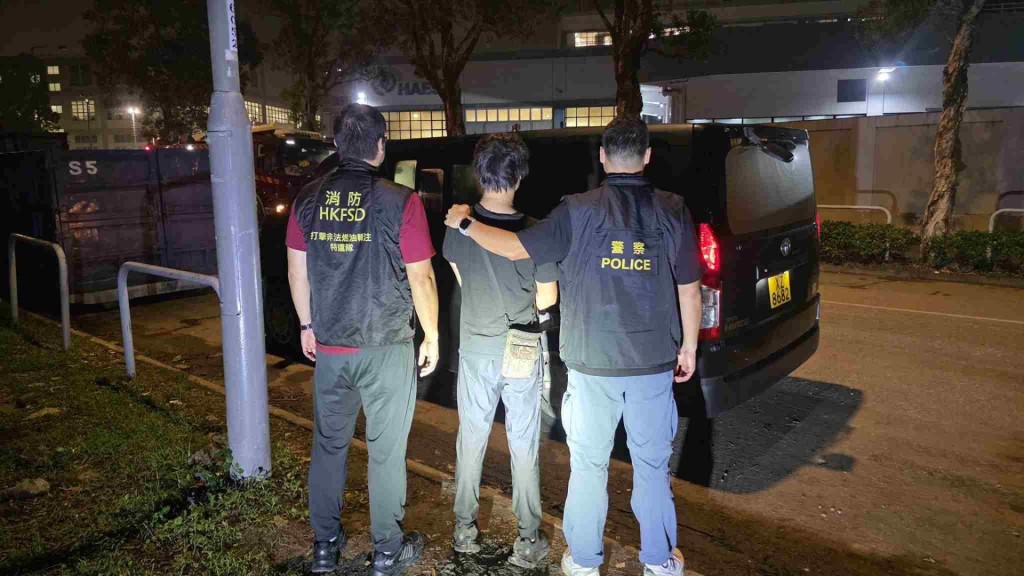
ImmD crackdown targets moonlighting domestic helpers arresting 17
19-05-2026 17:52 HKT

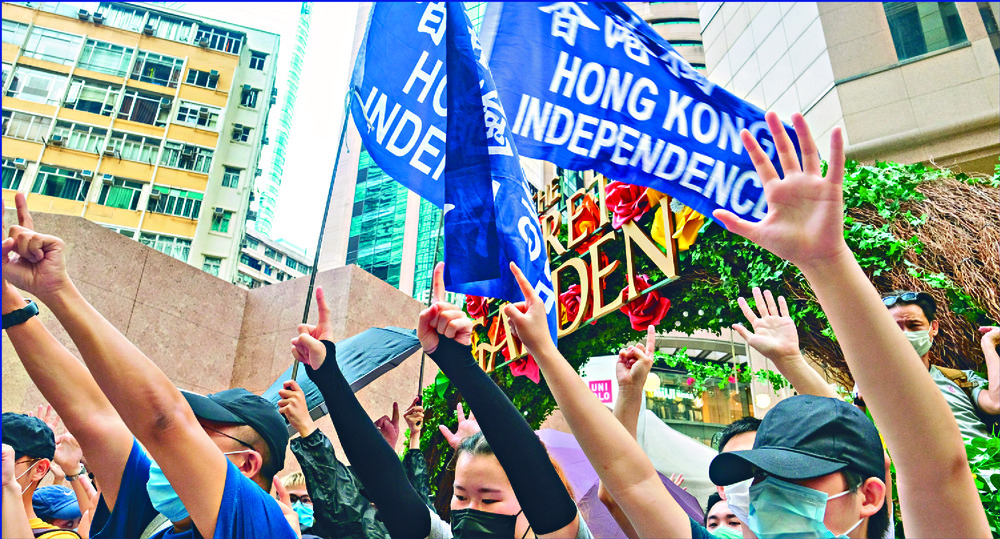
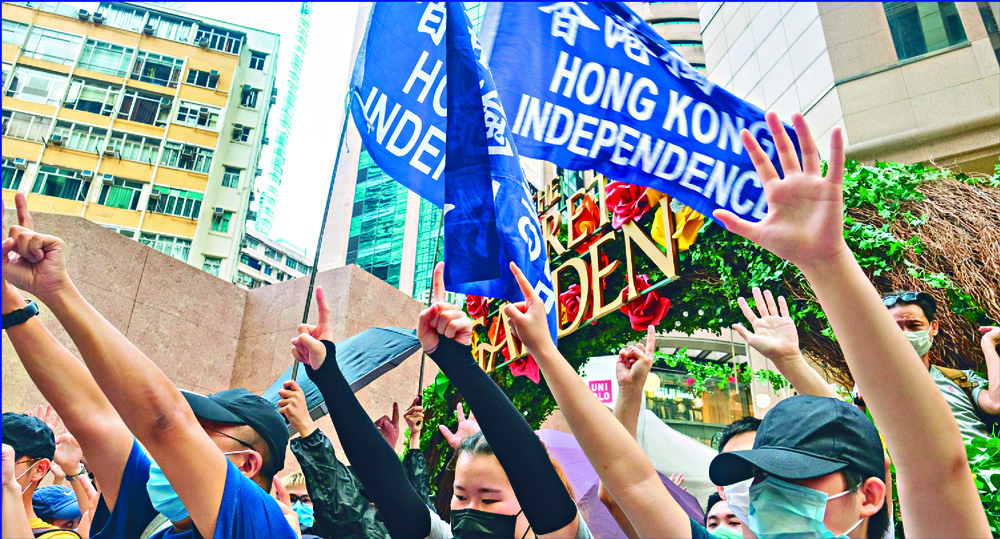
Nine people have been arrested for breaking the national security law in the first arrests since it came into force on Tuesday night.
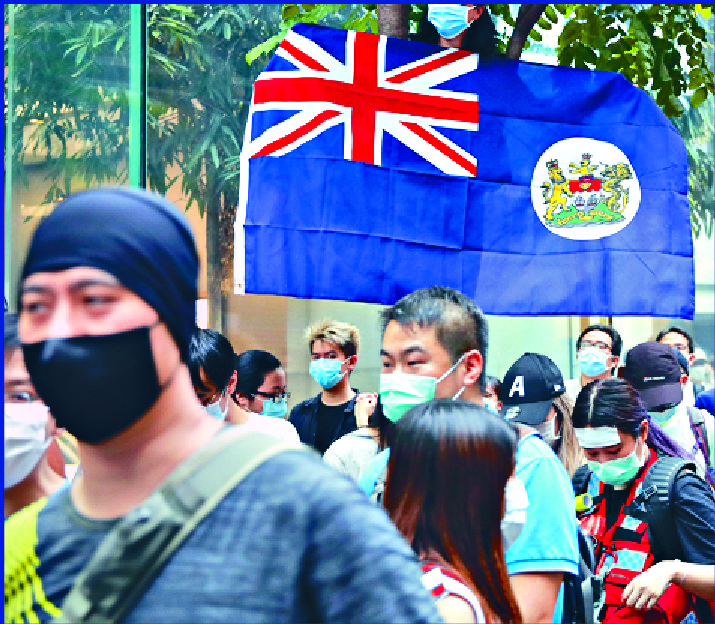
They were among more than 300 people who were detained as at least 10,000 rallied on Hong Kong island against the new legislation, despite a police ban amid the Covid-19 pandemic.
Earlier, Secretary for Justice Teresa Cheng Yeuk-wah said if a slogan "is understood as overthrowing the regime or equals Hong Kong independence" it may have crossed a red line.
But Cheng said authorities would not only determine if a person has a committed a national security law offense with the use of a slogan but also by evaluating the context and the intention of a person.
"By looking at overall behavior we will see whether evidence can prove the arrested person has criminal intent," she said. The "unique and groundbreaking" law bans secession, subversion, terrorist activities and collusion with foreign forces, Cheng added.
She was talking hours after the law took effect on Tuesday night - an hour before yesterday's 23rd handover anniversary.
With the law made public for the first time after promulgation on Tuesday night - but only in Chinese - it became clear many clauses target the sort of behavior seen in protests since June last year.
Arson, the use of explosives, using violence against others for a political agenda, sabotaging public transport and damaging traffic lights are among acts being hit hard by the law.
Colluding with foreign forces to obstruct government policies or asking foreign countries to sanction Hong Kong or China are also illegal activities.
Under the article prohibiting secession, advocacy for separation of the SAR or any other areas from China is outlawed.
Penalties are more severe than what were envisaged under the proposed Basic Law Article 23 in 2003, with life sentences on the books.
Also, people who "actively participate" in offenses face three to 10 years' imprisonment. "Other participants" can get up to three years in prison.
The law is applicable to all Hong Kong residents and foreigners even if offenses are committed overseas.
Some citizens were concerned "hatred" against the government might constitute a national security offense.
But Cheng said it would only be against the law if a person incited hatred against the government in collusion with foreign forces. The law also allows police to demand the handing over of information or materials if officers suspect a person or organization has broken the law. Secretary for Security John Lee Ka-chiu sidestepped a question on whether journalists would be ordered to submit materials after interviewing anti-government advocates.
What he did say was that such a matter would be an extension of a witness order, and that is covered under the existing Organized and Serious Crimes Ordinance.
Asked if journalists can criticize the national security law and the SAR administration, Chief Executive Carrie Lam Cheng Yuet-ngor said: "I don't see there's anything wrong as long as you don't collude with foreign forces."
Details of the law sparked concern whether Hongkongers' freedom of speech and expression will be tightened, with legal scholars, pro-democracy lawmakers and overseas politicians saying the law marks the end of one country, two systems.
But Cheng countered: "In fact, the enactment of the law improves the one country, two systems mechanism."
Cheng also said the Department of Justice will be free from interference.
"Anyone who wants to tell me to omit evidence will not be listened to," she said. "Prosecution will always be based on facts and evidence."
Lee said the aim is to limit prosecutions to as few as possible as the law is not only about enforcement but also education and prevention of national security offenses. "Eventually, we hope to see no one being prosecuted under this law," he said
Editorial: HK not dead despite draconian law