Read More




Night Recap - May 21, 2026
3 hours ago






ImmD crackdown targets moonlighting domestic helpers arresting 17
19-05-2026 17:52 HKT



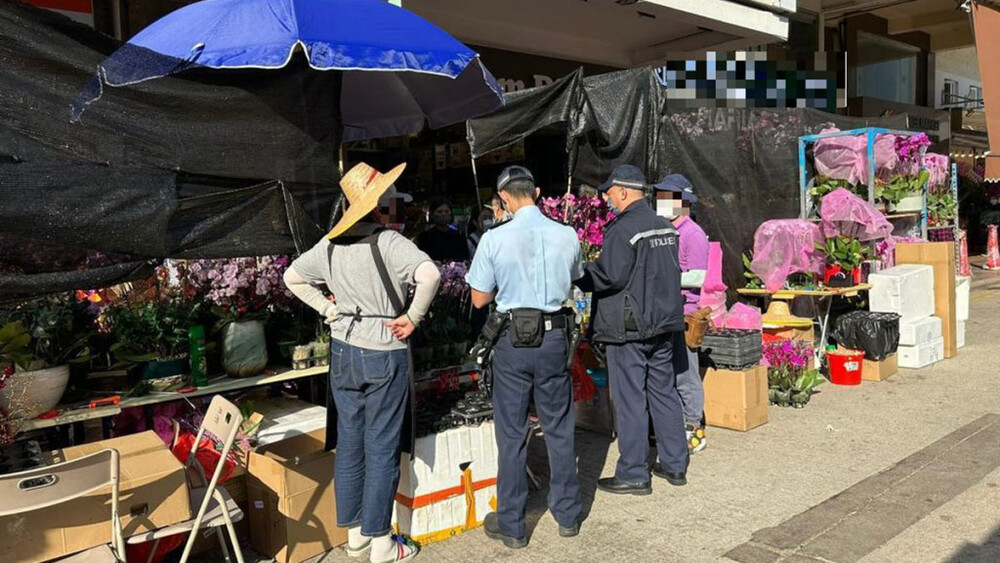
The Office of The Ombudsman on Thursday said an investigation into the government’s regulation of illegal occupation or obstruction of streets by goods and miscellaneous articles has identified areas of improvement in terms of its enforcement actions, inter-departmental joint operations, and the complaint referral mechanism.
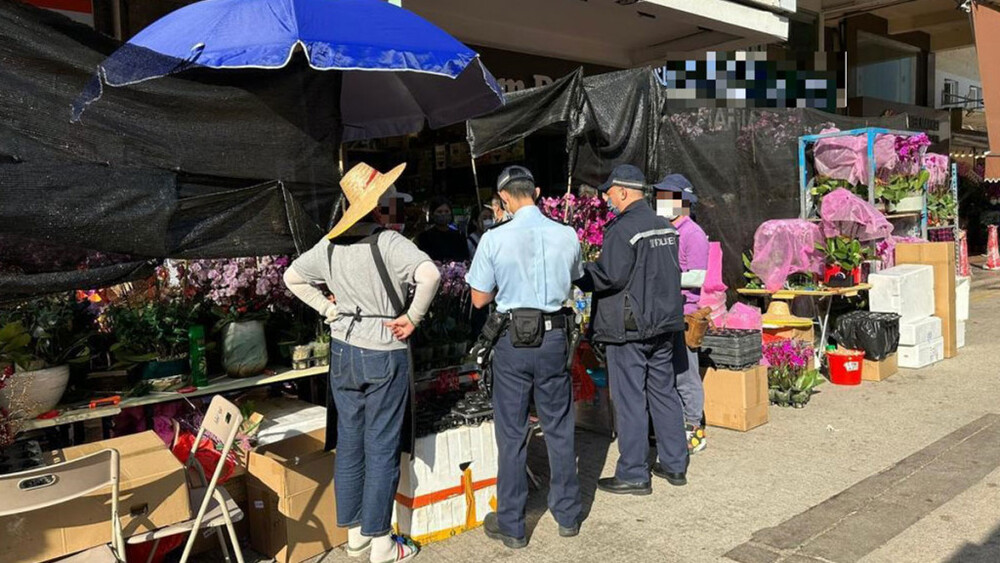
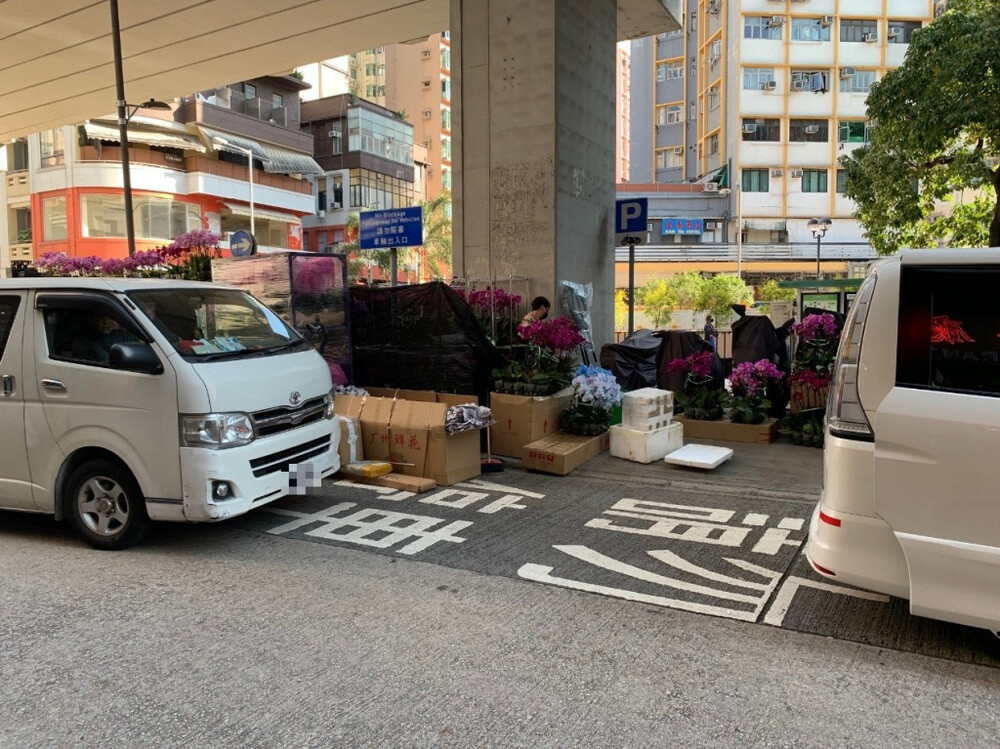
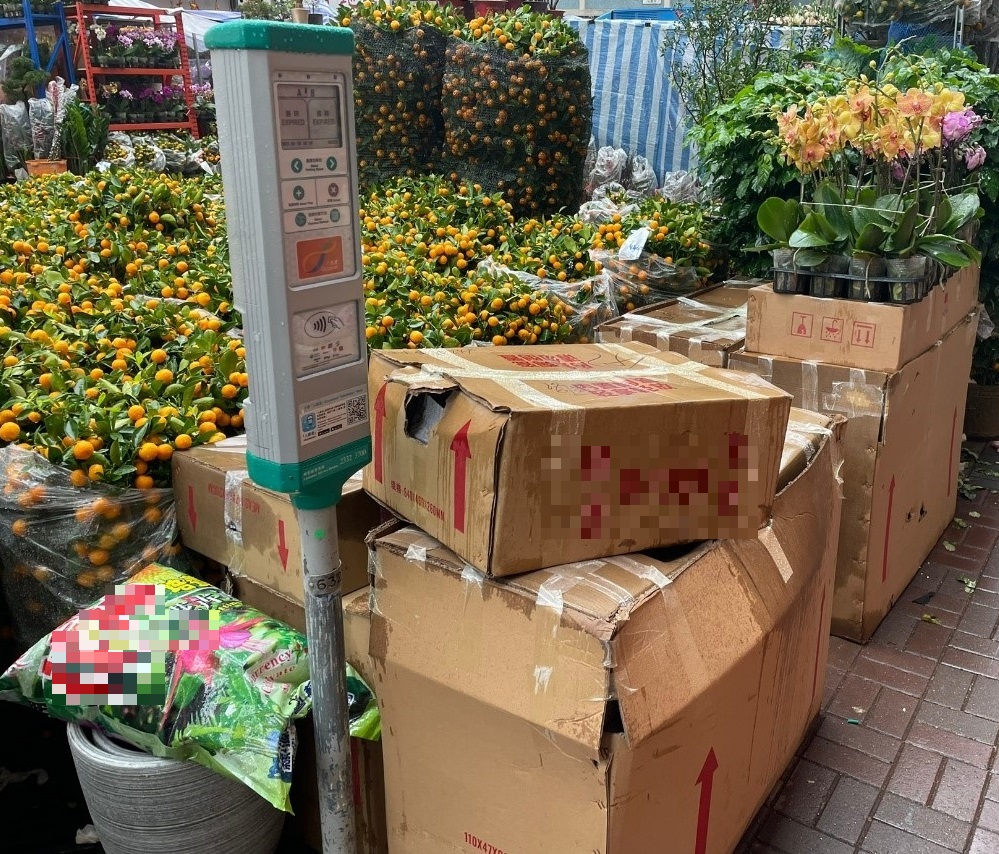
The government watchdog said it examined the situation of four street obstruction black spots in the city and found the Food and Environmental Hygiene Department’s (FEHD) inspections and enforcement actions ineffective in curbing irregularities.
The office noted that for Shun Ning Road and Yee Kuk Street in Sham Shui Po, the department conducted an average of four or more inspections per day between 2018 and 2021, while the number of prosecutions instituted and fixed penalty notices issued had been maintained at a low level of 0.1 cases and 0.3 notices per day on average.
“The above statistics revealed that FEHD’s inspections had been frequent, but the enforcement figure remained low, which should reasonably imply that the irregularities had not been prevalent in the area,” the office said.
“However, the number of complaints relating to the area in 2021 was more than twofold that of 2018. During our site inspections, we also found many goods and miscellaneous articles occupying public places and shop front extensions, and the environmental hygiene was poor.
The regulatory function of FEHD’s inspections was seemingly not realized fully, and its enforcement actions failed to curb irregularities,” it added.
The Ombudsman also pointed out that cases where FEHD invoked the “fixed penalty provision” accounted for more than 80 percent of the total number of enforcement actions each year, while most cases were relapse cases.
Statistics from 2021 have shown 13,208 relapse cases involving only 1,760 repeated offenders, in which each offender had committed the offense 7.5 times on average, the office said, adding that the provision lacks a deterrent effect on habitual offenders.
Meanwhile, the watchdog’s investigation also found over 2,000 relevant cases per year requiring a processing time of two months or longer between 2018 and 2021, far exceeding the departments’ performance pledge of issuing a reply within 30 days and outnumbering the cases rejected by departments.
The office believed that many of the cases that were unable to meet the pledge had been rejected by departments after being referred by 1823.
The office said despite 1823’s effort to mediate when the demarcation of responsibilities was in dispute, 1823 did not have any power to instruct any departments to take up cases.
“Without direct communication or joint inspections, disputes among the departments usually turned into their mere expression of views leaving 1823 in perplexity. This was indeed undesirable,” the office said.
The Ombudsman said to increase the non-compliance cost of street obstructions, and for more effective control over repeated and persistent offenders, the Environment and Ecology Bureau and the FEHD should review comprehensively the existing penalties under the law, including raising the maximum penalty imposed with summons’ and the level of fixed penalty, and favorably exploring the introduction of a progressive penalty system under the fixed penalty provision.