Read More


Morning Recap - July 22, 2026
1 hour ago








Deborah Lee breaks silence after Patrick Tse’s death
20-07-2026 21:00 HKT


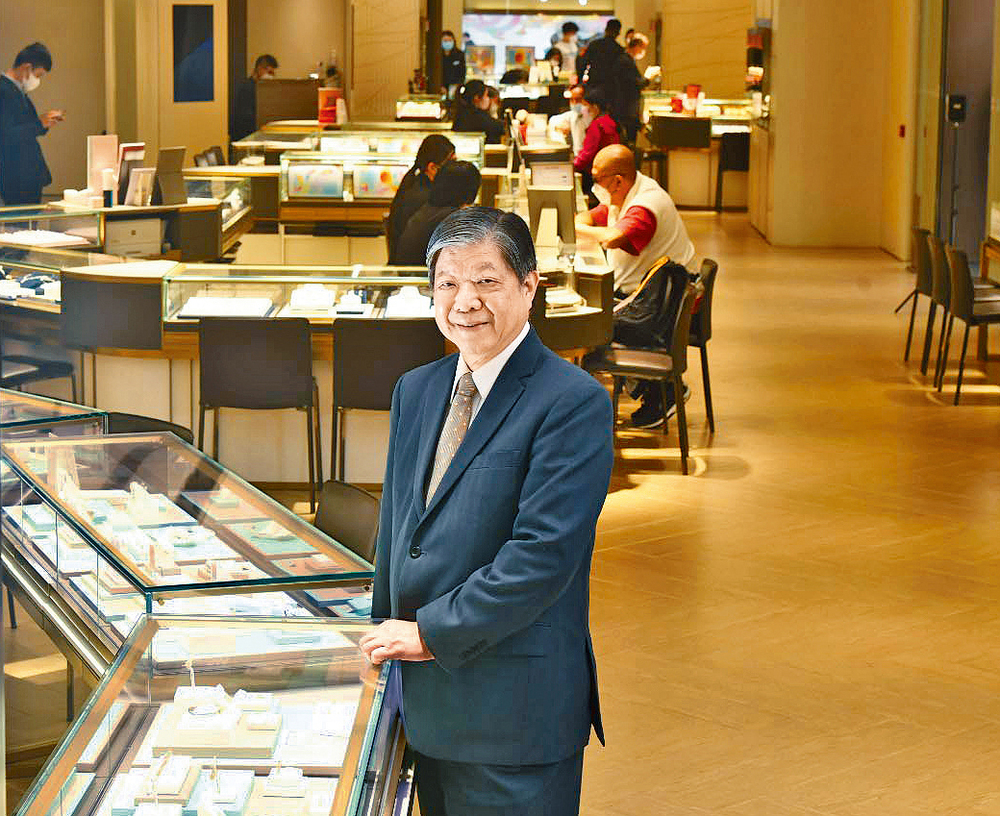
As an international city, Hong Kong provides a unique business environment which is largely attributed by the Government’s strenuous efforts in safeguarding the city’s robust financial system, especially on combating money laundering and deterring terrorist-financing activities. To strengthen the relevant regulation, the Government has previously proposed to amend the Anti-Money Laundering and Counter-Terrorist Financing Ordinance, Cap. 615, for instituting the registration regime for dealers in precious metals and stones. The Amendment Bill was passed and the registration regime will come into effect on 1 April 2023. It is welcomed by the jewellery industry which has promised to provide more training to staff for enhancing their awareness and facilitating a smooth transition.
Registration regime helps combat money laundering
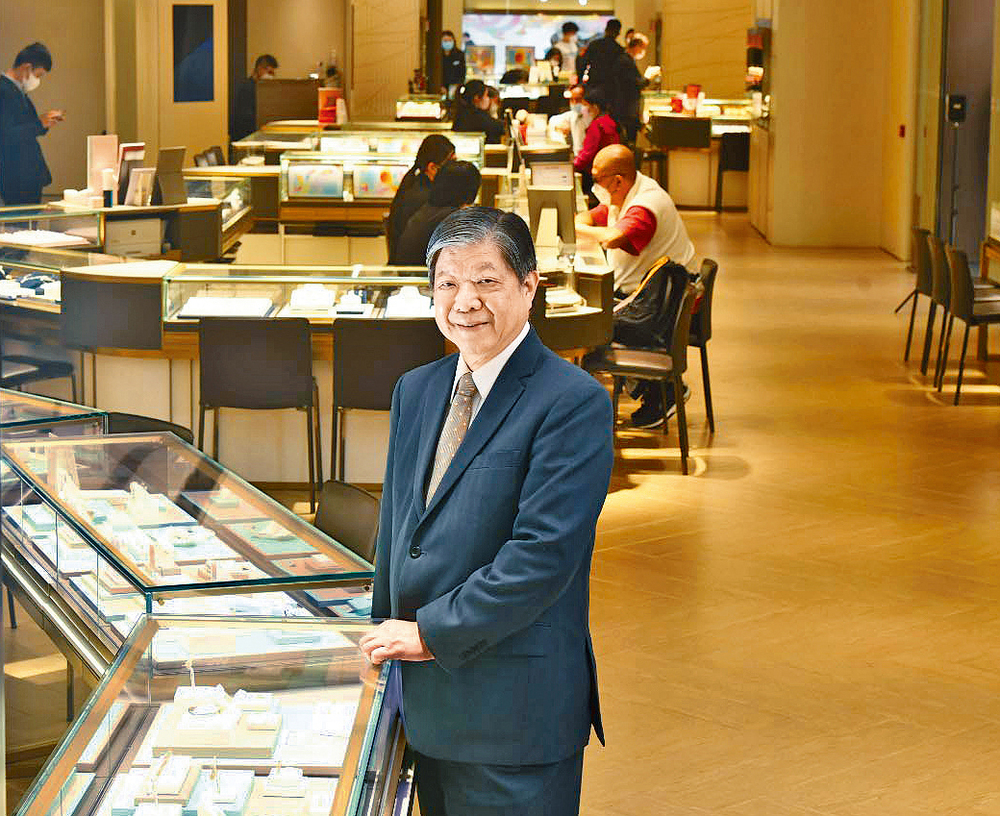
Mr Lau Hak-bun, Director of the Kowloon Pearls, Precious Stones, Jade, Gold and Silver Ornament Merchants Association, points out that the Government had earlier liaised with the jewellery and retail industries many times and exchanged views on the fine details of the proposed legislation, to ensure its smooth implementation whilst emphasizing its effectiveness in combating money laundering and minimizing the potential impact to the sector.
Mr Lau says that Hong Kong has always maintained its free market status with unfettered flow of capital. In fact, the industry is pleased to support the implementation of the new regime as they already have a fair understanding and experience in anti-money laundering work. Credit must, he notes, go to the industry for its self-discipline and prudent management, and their efforts in promoting anti-money laundering messages to their members. He also remarks that stepping up anti-money laundering is a common goal among the world, and places like the European Union and many Southeast Asian countries have already introduced legislation on anti-money laundering and counter-terrorist financing. The new registration regime is therefore essential for Hong Kong to keep abreast of the latest international standards.
Bolster staff training and minimize impact to consumers
As future transactions must be conducted in compliance with the new rules and regulations under the new regime, Mr Lau emphasizes that industry associations must take the lead to provide systematic training for frontline staff on areas such as the registration regime and the detailed procedures involved.
"Some small and medium enterprises initially expressed their concerns on whether frontline staff would have difficulty in handling large sums of cash," notes Mr Lau. "However, the rising popularity of electronic payments means that there are very few cash transactions involving large sums these days." Mr Lau believes that frontline staff will be even more vigilant.
Mr Lau does not foresee any difficulty in observing the new requirements which pose minimal impact on consumers. "In handling cash transactions of HK$120,000 or more, frontline staff is primarily required to ask the customer for identity information for due diligence checking and record keeping purposes. This is where training comes in, as staff must be able to handle personal data in an appropriate manner."
Mr Lau opines that the registration regime does not target at a particular business of the sector. "In view of our business nature, there is a genuine need to put in place the regime to prevent any abuse by money laundering criminals for protecting our industry. Looking forward, the new measures are beneficial to the community at large."