Read More




Night Recap - May 21, 2026
7 hours ago



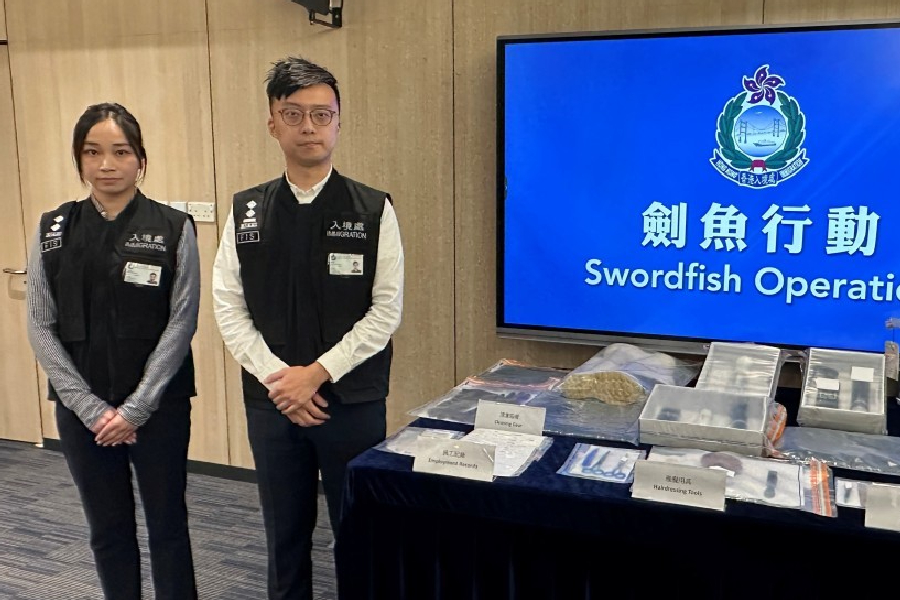
ImmD crackdown targets moonlighting domestic helpers arresting 17
19-05-2026 17:52 HKT

The Court of Appeal has ruled that lawmakers are not immune from criminal prosecution if they behave in a disorderly manner during Legislative Council meetings.
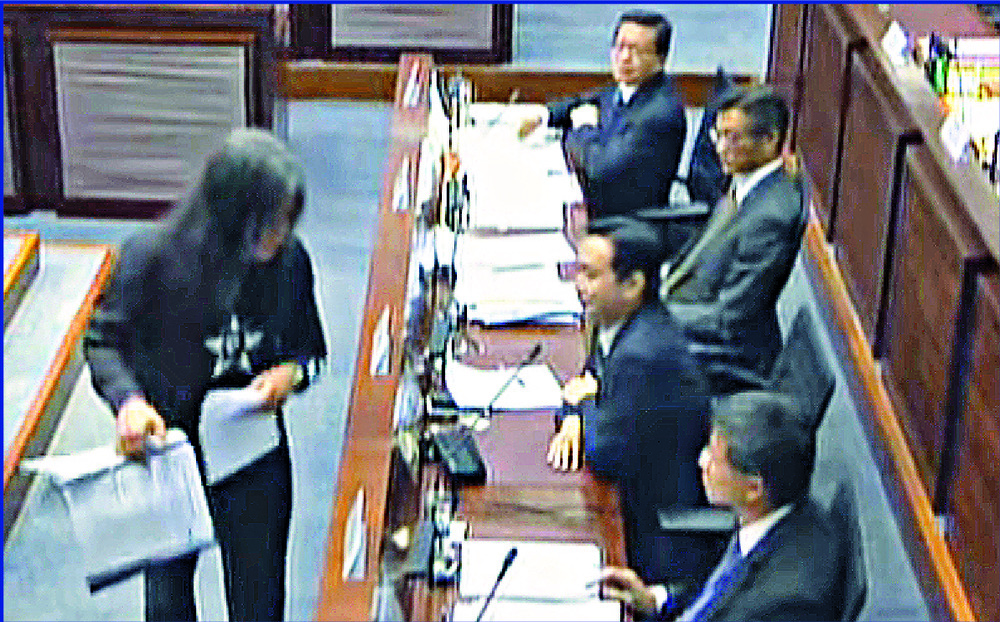
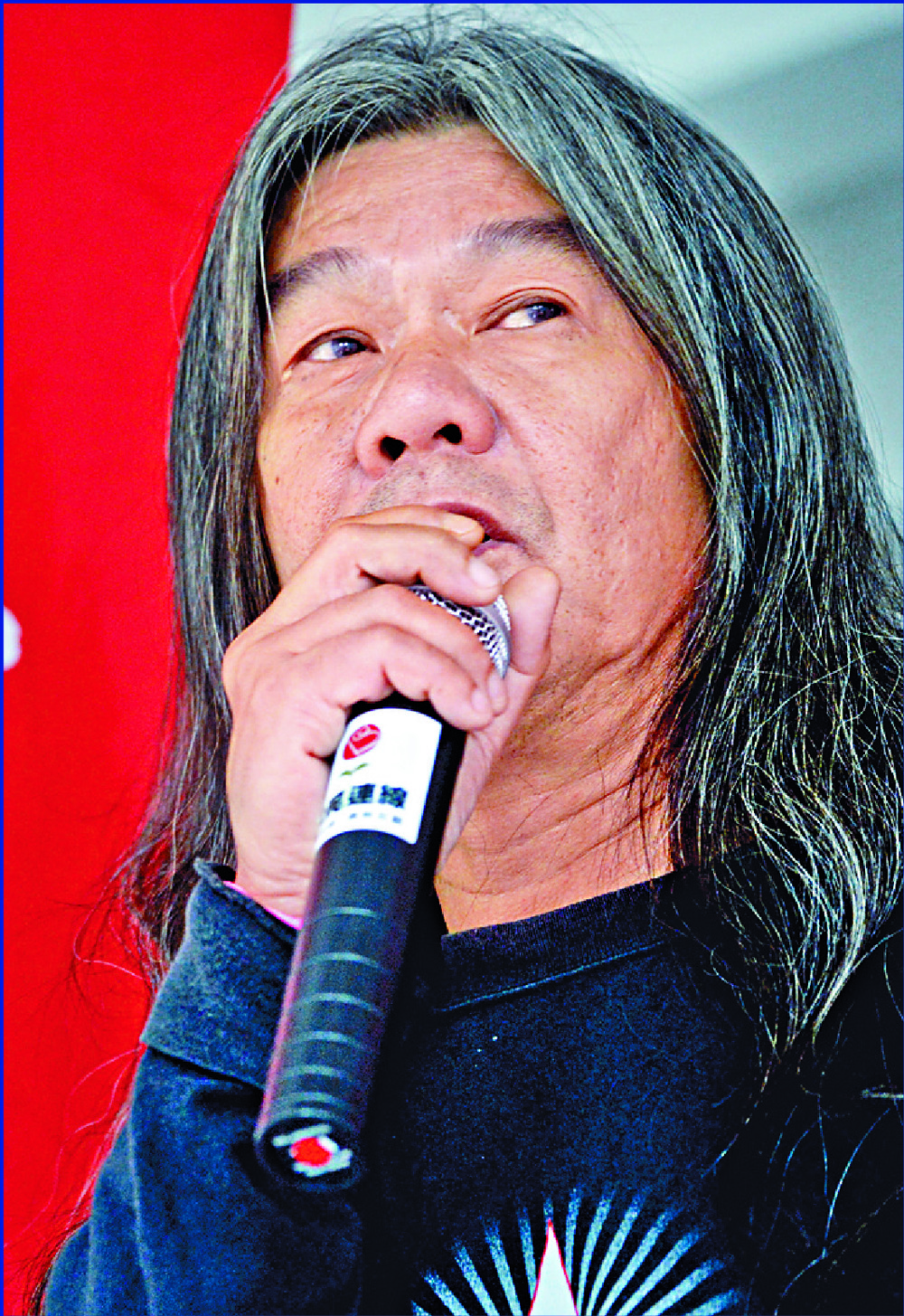
High Court chief judge Jeremy Poon Shiu-chor made the ruling yesterday in response to a case concerning former legislator "Longhair" Leung Kwok-hung, who was charged after snatching a folder of documents from then development undersecretary Eric Ma Siu-cheung at a panel meeting in November 2016.
In 2018, West Kowloon Court acting principal magistrate Ada Yim Shun-yee adjourned Leung's case indefinitely, saying lawmakers are exempt from Legco's provisions against disturbances.
The Department of Justice filed an appeal, and the court ruled in the bureau's favor yesterday, ordering the case to be remitted to the magistrate.
Yim said back then that the action and words of lawmakers at meetings are protected from trial as long as they do not amount to ordinary criminal offenses because the legislators enjoy freedom of speech and debate.
But Poon argued in the written judgment that this privilege should not be "put above the law."
He added: "The privilege must not be exercised in a way which infringes on the same privilege other Legco members need in order to perform their function as legislators.
"[Lawmakers] are not immune from civil or criminal proceedings merely by reason of their status."
Section 17(c) of Legco's Powers and Privileges Ordinance stipulates that it is contempt for "any person [to] create or join in any disturbance which interrupts or is likely to interrupt proceedings in Legco."
Poon said its wording clearly shows "anyone, including a Legco member," is subject to the provision.
Poon also expounded on the "non-intervention principle" between the legislature and the Judiciary, as Leung's barrister Margaret Ng Ngoi-yee argued that lawmakers' disorderly conduct should be handled by Legco.
According to Poon, while the legislature has the right to order a member with "grossly disorderly" behaviors to withdraw from its meetings, it cannot impose criminal sanctions such as fines or imprisonment.
But Legco has given the courts the criminal jurisdiction to penalize anyone breaking Section 17(c), Poon added, and that it is therefore not a violation of the separation of powers for the court, instead of Legco, to process Leung's case.
mandy.zheng@singtaonewscorp.com