Read More






Morning Recap - May 21, 2026
7 hours ago



ImmD crackdown targets moonlighting domestic helpers arresting 17
19-05-2026 17:52 HKT

University student, 23, killed in school bus crash in Kowloon City
20-05-2026 00:39 HKT
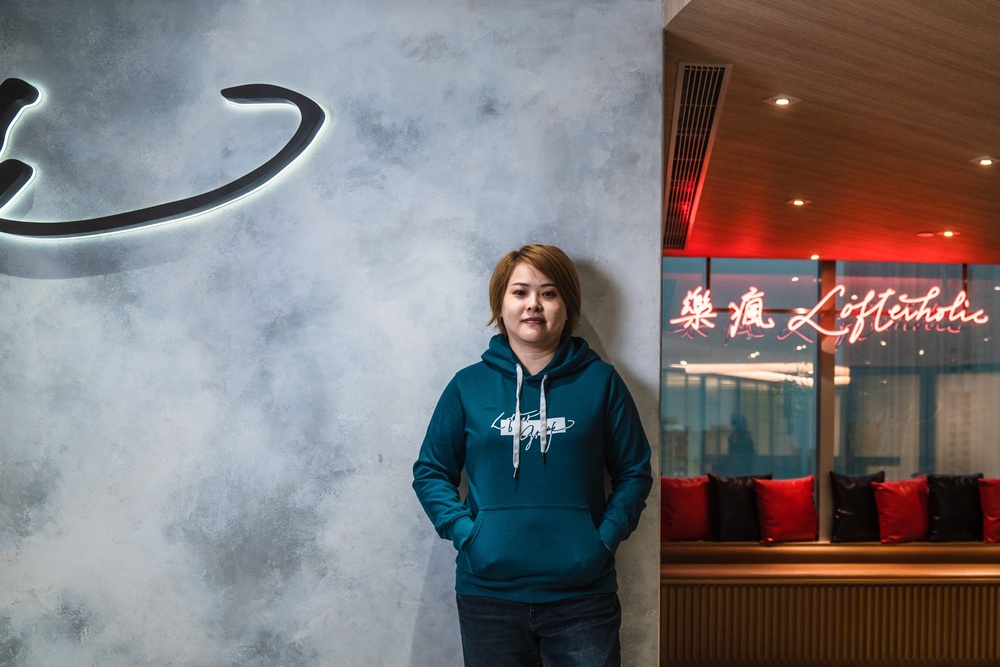
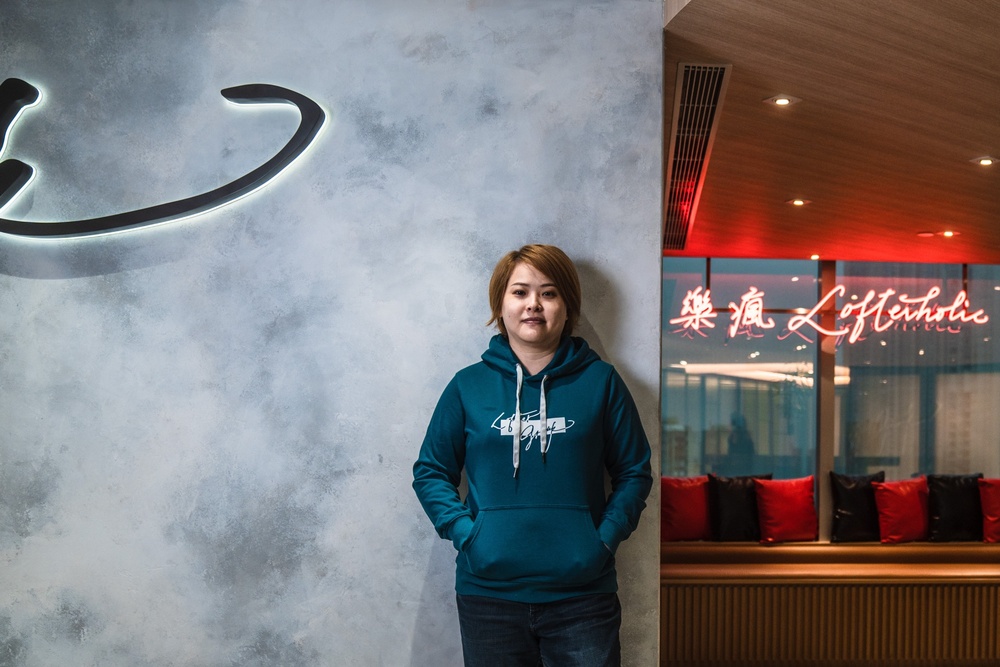
Hong Kong real estate developer Carol Chow founded Lofter 10 years ago. With more than US$1 billion in projects, she’s found a niche in the housing market.
Carol Chow isn’t your typical Hong Kong real estate developer.
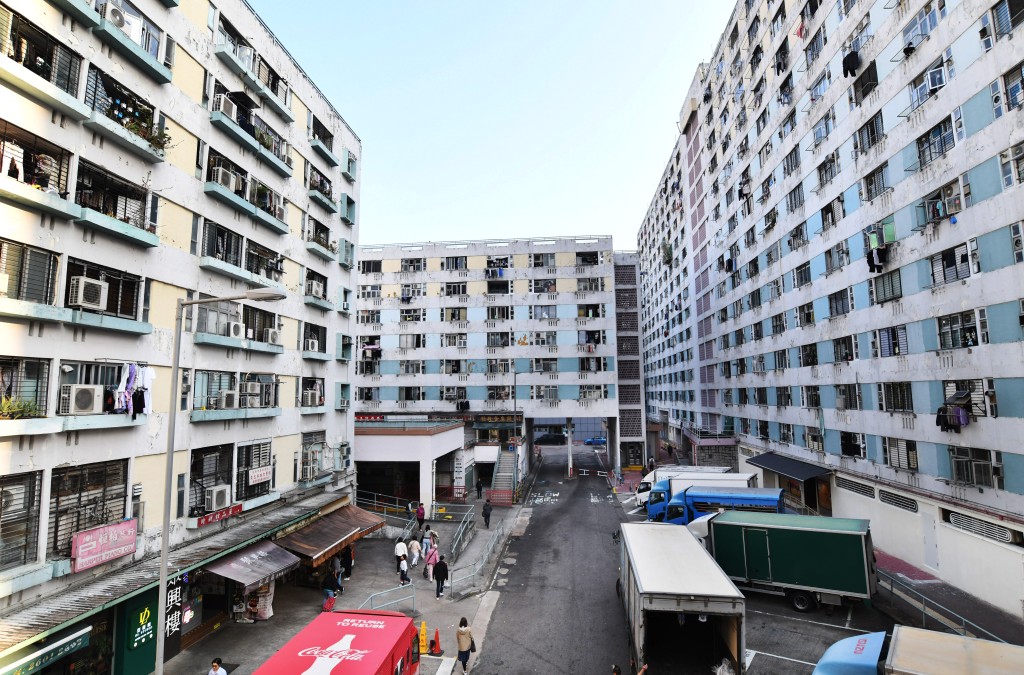
Raised in a Kowloon public housing project, the 39-year-old comes from a different world than the city’s billionaire property clans. Yet in just a decade, she has built a company from scratch that’s quickly found its own niche in the market.
Chow’s Lofter Group Ltd. specializes in redeveloping buildings for global institutional investors including Schroders Capital and Singapore’s SC Capital Partners, and now has more than US$1 billion in projects under management. In a territory where land is famously scarce, the firm scours sites with run-down buildings that can be bought and made over. It may also start to acquire land at government auctions, putting itself in direct competition with established developers that have held sway for decades.
“The industry has always been dominated by those big property families,” Chow said in an interview. Even newer entrants are usually manufacturers turned builders with abundant cash to deploy, she added. “Without a strong family background, we have to make use of our professional service as an entry point.”
Chow is a unique presence among real estate company founders in Hong Kong. With her dyed bob hair and hoodie, she doesn’t look like her counterparts who are mostly men in suits. While her family’s financial situation improved with her father’s renovation contracting business, her middle-class background is far removed from the riches of tycoons like Li Ka-shing, 94.
Without the backing of old money, Lofter touts its ability to help foreign institutions enter the market by offering local expertise. Unlike most developers in the city, it adopts an asset-light model, relying on investors for capital. It typically owns just a small proportion of the real estate and picks projects too small to attract bigger players.
There are challenges ahead. Property development in Hong Kong is becoming a less lucrative business than it was. Home prices are expected to fall as interest rates rise and demand slows in line with a population exodus, according to Patrick Wong, a real estate analyst at Bloomberg Intelligence. On top of that, land costs remain high and construction expenses are rising, meaning margins are bound to decline, Wong added.
Yet Chow is undeterred. “We are optimistic about the prospects for the local property market, especially when we see home prices have stayed resilient,” she said. Housing demand remains strong and rising interest rates won’t have as much impact on the market as some are expecting, Chow added.
Secondary home prices have declined 3.9 percent since the start of the year, Centaline data show.
Lofter generates income by charging fees for services including acquisition, redevelopment and management. It's currently working on four residential projects on top of four commercial and industrial ones. The company’s projects generally yield returns of more than 10 percent, Chow said. Lofter declined to provide further financial information.
The firm’s model will become more popular among overseas investment funds as traditional opportunities like face-lifting older commercial buildings decline, said Thomas Chak, executive director of capital markets at Colliers International Group Inc. “They are turning to developers for residential development because these foreign funds don’t have in-house teams locally,” Chak said.
Chow finished her undergraduate civil engineering degree in 2004 just a year after the SARS epidemic brought Hong Kong’s economy to a halt. Seeing the gloomy unemployment situation, she went to the UK to get a master's degree in finance. After a year of study, Chow returned to the city and saw an opportunity to enter the real estate industry as the economy improved.
The fresh graduate then borrowed HK$2 million ($255,000) from her father, on condition she repaid the debt with interest in four years. Chow used the cash and her engineering and finance background to start a business uplifting dilapidated apartments on her own. She quickly gained the know-how and network to scale up.
In 2012, Chow founded Lofter to redevelop industrial properties before expanding into residential and commercial real estate. Early clients were mostly well-paid professionals like doctors and lawyers. Over the years, her network grew to include foreign institutions, which normally rely on local experts to execute their investments.
To avoid competition with established builders, Lofter targets properties under HK$1 billion — a size that bigger players wouldn’t consider.
Obtaining land to build homes on is particularly difficult for small developers, said Bloomberg Intelligence’s Wong. Bidding at government auctions requires strong financial resources to beat larger firms, while acquiring and consolidating old units is a time-consuming task, he said.
Sometimes existing owners are reluctant to move out because of emotional factors beyond monetary compensation. In such cases, Lofter will negotiate “from a human perspective,” offering to help homeowners find a new place and even do the fit-out, Chow said.
“Our advantage is that we are flexible,” she said. “There’s no hierarchy in our company’s culture.”
(Bloomberg)