Read More

Night Recap - September 28, 2026
6 hours ago
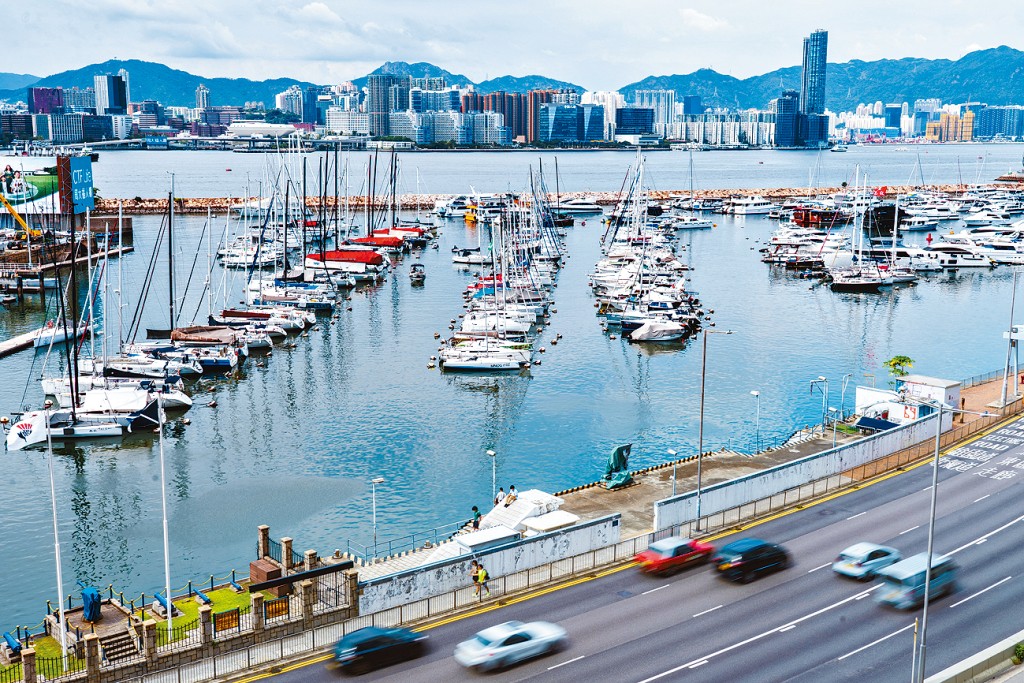
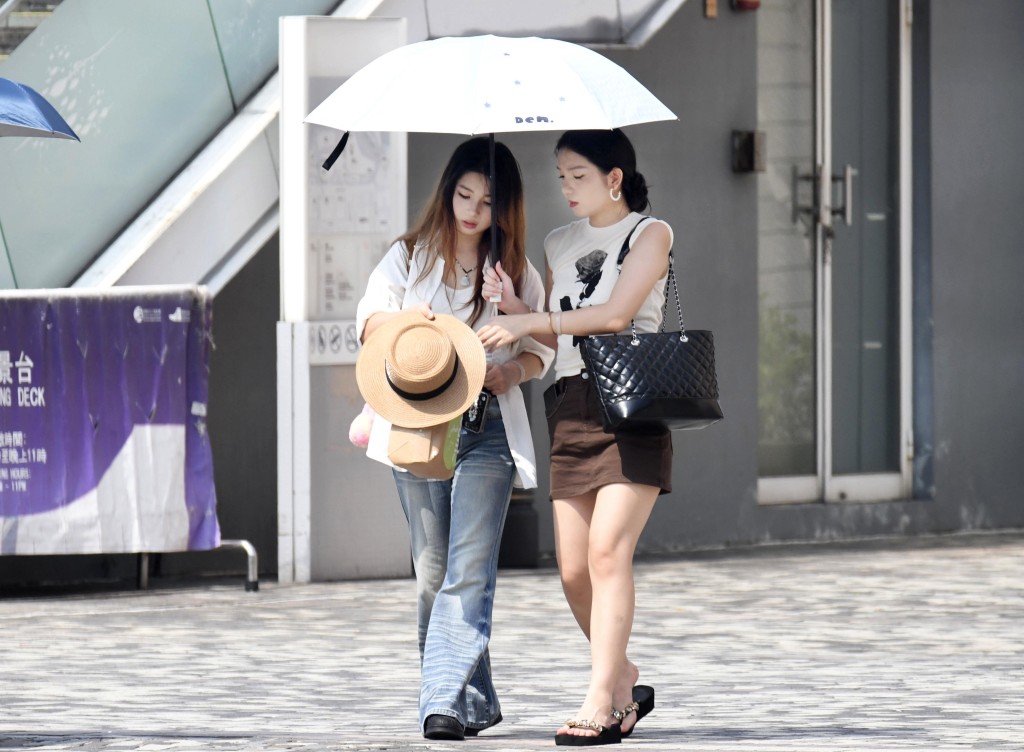
HK faces week of extreme heat with temperatures soaring to 34 degrees
28-09-2026 03:01 HKT
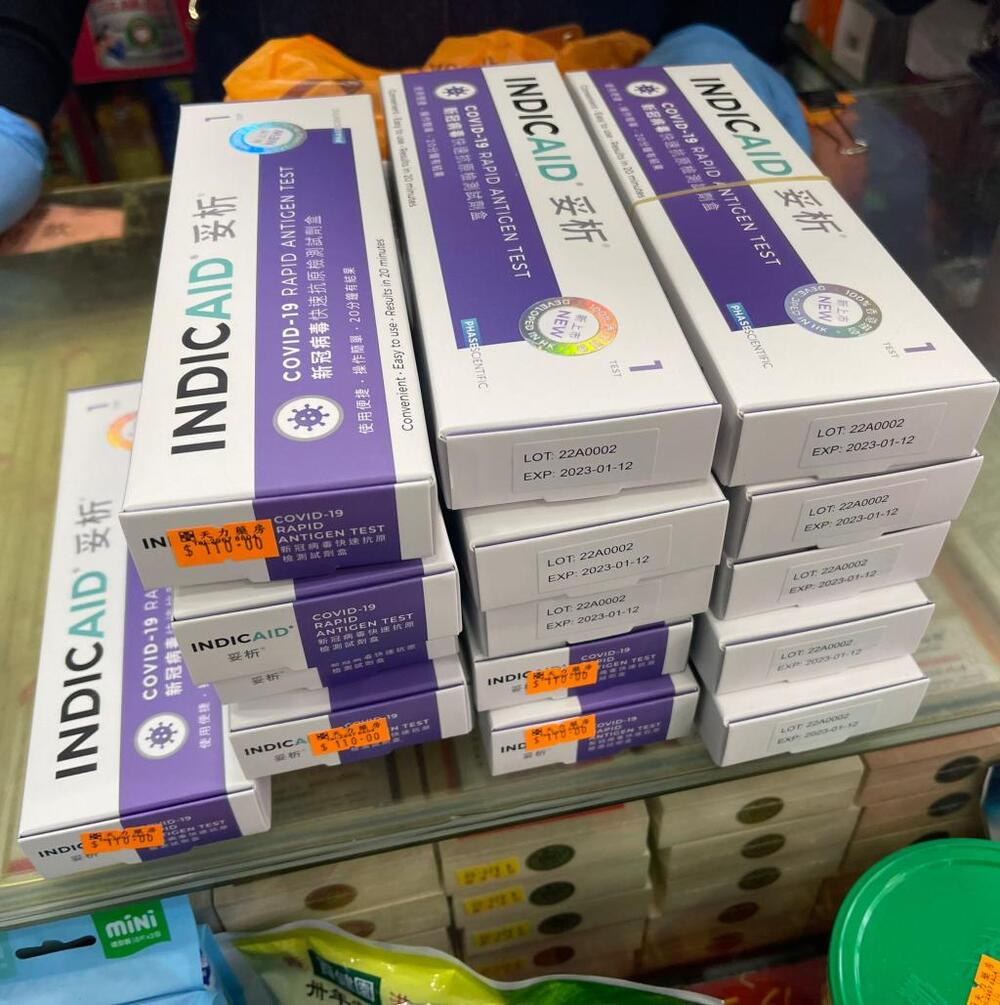
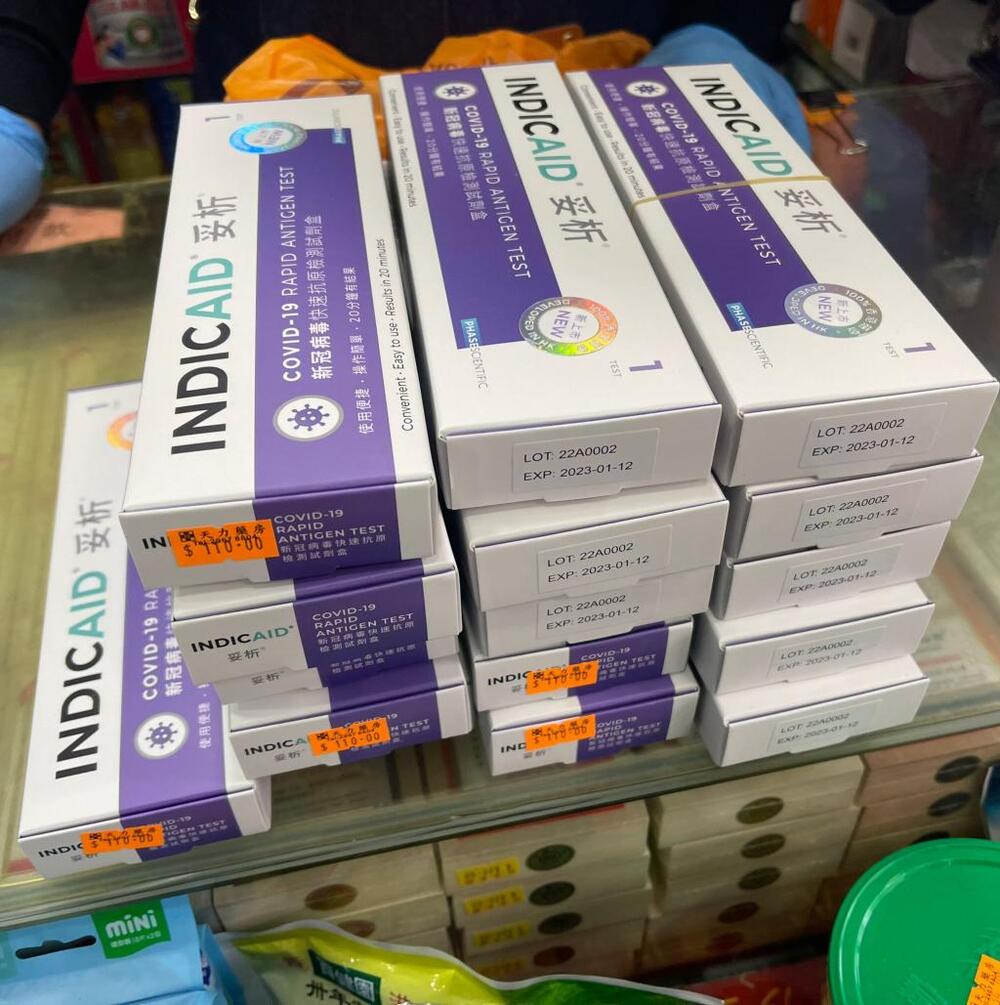
Jittery Hong Kongers are snapping Covid-19 testing kits at pharmacies as the number of infections breaks records every day.
The government earlier announced it is planning to hand out Covid-19 testing kits to citizens for them to test themselves at home, with the administration now procuring the kits and drawing up guidelines for the scheme.
However, many could no longer wait for the free kits. Lau Oi-kwok, Hong Kong General Chamber of Pharmacy's vice-chairman, said rapid test kits sold out at many pharmacies and will be replenished in about a week. A Hong Kong-made INDICAID Covid-19 Rapid Antigen Test costs about HK$120.
Some pharmacies said new kits could arrive as soon as three days later, but some others said they won't arrive before March, adding that customers have to pay for pre-orders.
A pharmacy staff revealed that the cheapest kits cost about HK$99 per set, and they originally had some 50 sets. "But they were snapped up by citizens on Monday morning, some of whom bought more than ten sets."
Chief Executive Carrie Lam Cheng Yuet-ngor said last Friday that the government has purchased over 10 million rapid antigen testing kits, and the shipment is expected to arrive as soon as this week. The city-wide voluntary Covid testing program will then be launched where each citizen can grab a kit and perform a test on themselves.
Ricky Chiu Yin-to, adjunct associate professor of biomedical sciences at the Chinese University, said the government has purchased more than one million INDICAID test kits from the company and will also use test kits from two European and American companies as well as from the mainland.
He said there was a shortage of supply during the Lunar New Year, and the government was unable to purchase enough for the time being.
PHASE Scientific, the manufacturer of INDICAID test kits, said it has produced 10 million test kits in January and will increase to 20 million in February, hoping to offer 1 million test kits per week to the government, which said earlier to "buy as much as they had."
"Anyone who tested positive could call 37008888 to have staff sent to collect deep-throat saliva specimen for another test at the government's expense," the manufacturer said. "
The manufacturer said it had sent out staff to four to five families on Sunday to collect some 20 specimens, all of which were confirmed.
The Hospital Authority's chief executive manager, Larry Lee Lap-yip, said citizens who tested positive by using these rapid test kits themselves should seek Accident and Emergency services as soon as possible with the least contact with people.
They were suggested to undergo deep throat saliva tests with the help of their families and friends, during which they should stay home. If not, they could take a private car or cab to the hospital.
"The A&E department will arrange for patients to go to an outdoor testing station for testing. After that, asymptomatic ones could wait for the results at home, while those developed symptoms will be treated properly."
However, government adviser David Hui Shu-cheong said the A&E department should be reserved for emergency patients: "Asymptomatic patients should contact the Center for Health Protection at home and get tested nearby."
Tony Ling Siu-chi, president of the Hong Kong Public Doctors' Association, expressed worries that people using the rapid testing kits will increase the burden for the city's packed Accident and Emergency services.
Ling said the Accident and Emergency department at public hospitals would not have enough space to accommodate these people testing positive through the rapid testing kits - who are mostly showing mild or no symptoms of Covid.
He said if the city's Covid situation has worsened to having thousands or more people infected daily, hospitals in Hong Kong should plan ahead on how to deal with the massive inflow of patients.