Read More





Night Recap - May 21, 2026
8 hours ago




ImmD crackdown targets moonlighting domestic helpers arresting 17
19-05-2026 17:52 HKT



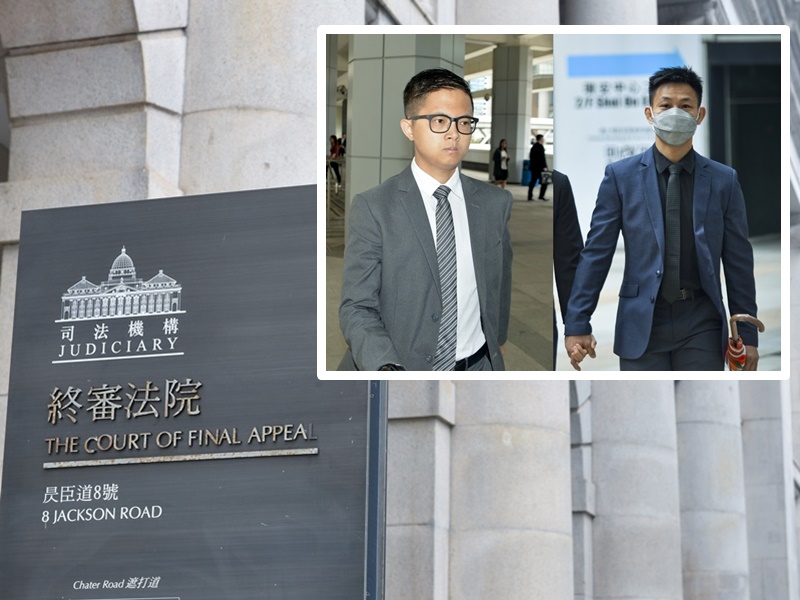
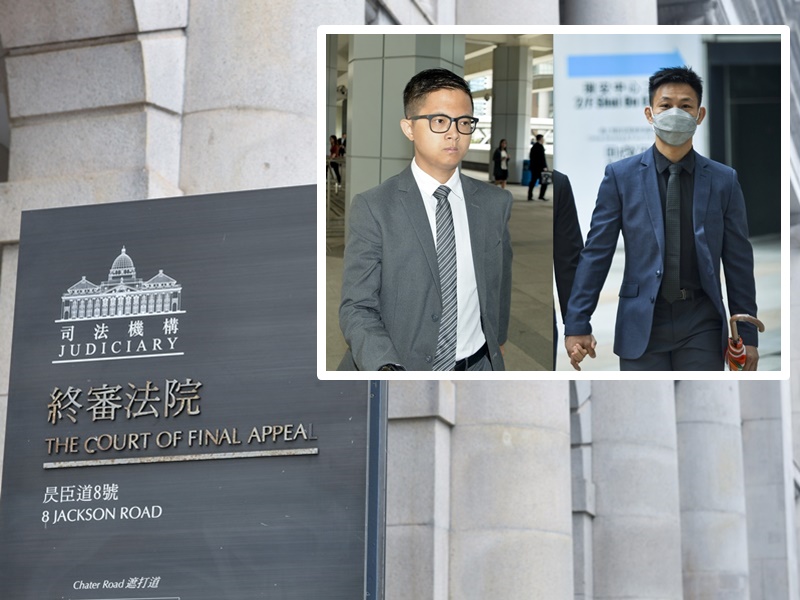
In a landmark judgment that will affect future rioting trials, Hong Kong’s top court on Thursday ruled the common law doctrine of “joint enterprise” will not be applicable to unlawful assembly and rioting cases.
The ruling means that those who are not present at a protest or riot cannot be prosecuted as principal offenders of the case. However, they may still face charges as abettors and face similar liabilities, according to the Court of Final Appeal ruling.
In an earlier judgment by the Court of Appeal, judges ruled that even people not physically present at the rioting scene can face the same charges as participants based on the principle of joint enterprise aka “common purpose” – meaning a secondary party is guilty of the same offense as the principal.
Two defendants Lo Kin-man and Tong Wai-hung took their appeals to the top court, seeking clarification on the legal principle.
Five judges handed down a written judgment on Thursday morning, saying a defendant must be present at the scene, taking part in the event in order to be convicted as a principal offender.
The common law doctrine of joint enterprise “cannot be relied on to fix liability as a principal offender on a defendant who was not present and not acting as part of an assembly together with others,” the judgment stated.
A person's mere presence at the scene of an unlawful or riotous assembly does not give rise to criminal liability.
But if the accused was present at a protest and provided encouragement to participants by words, signs, or actions, he or she may be held to be “taking part” and found guilty as a principal or an aider and abettor.
Those who are not present at a protest may be prosecuted as well, although they cannot be seen as principal offenders.
A person who “promotes or acts in furtherance of an unlawful assembly or riot while not present at the scene may be guilty as a counselor and procurer of the relevant offense or guilty of conspiracy or incitement to commit such offense,” the judgment said. They would be “punishable to a like extent” as the principal offender.
Tong was among the three defendants who were acquitted of rioting charges in Sheung Wan in July 2019 by the District Court, while Lo was sentenced in 2018 to seven years in prison after being convicted of rioting for taking part in the Mong Kok clashes in 2016.
The top court, after clarifying the legal principles, dismissed the application of Lo to appeal his conviction.
The final verdict handed down today will not affect the acquittal of Tong but will affect some 80 upcoming rioting cases in Hong Kong.