Read More
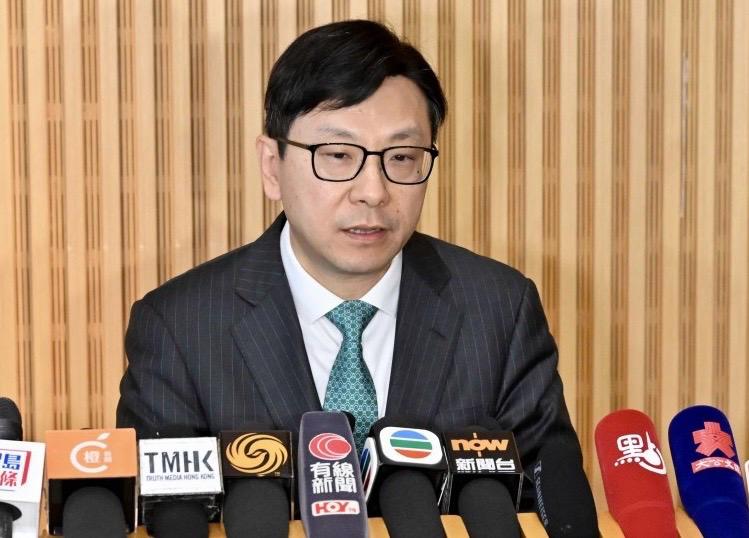
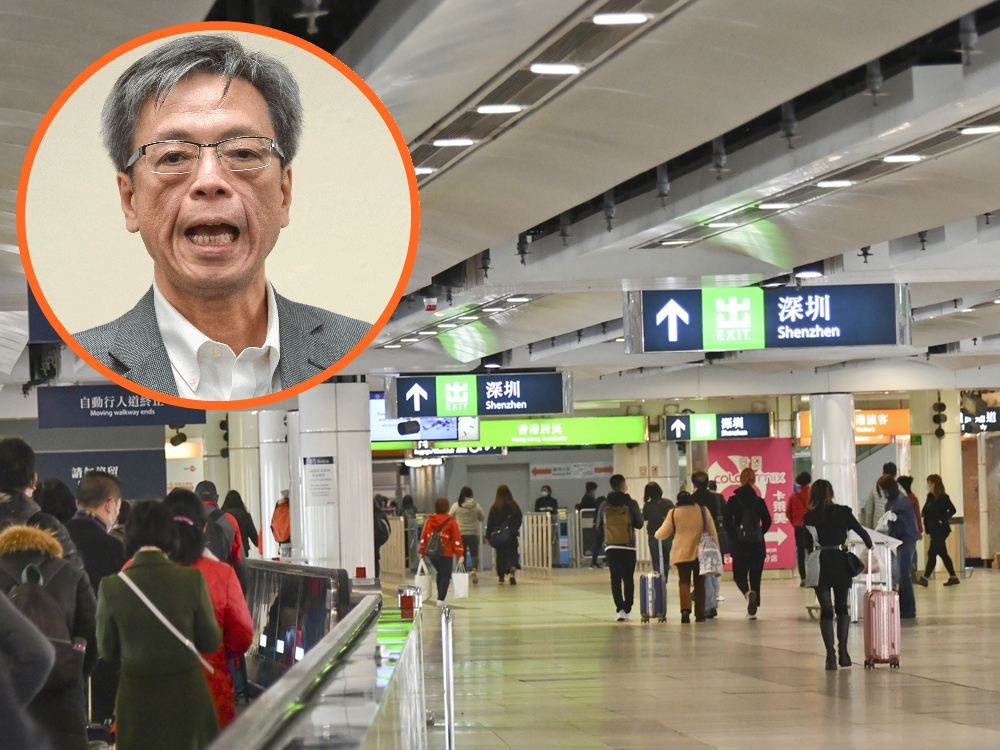
Respiratory disease expert Leung Chi-chiu said Hong Kong students who study abroad should continue to get two doses of BioNTech vaccines due to the higher risks overseas.
ADVERTISEMENT
SCROLL TO CONTINUE WITH CONTENT
Government advisers from two scientific committees recommended yesterday that youngsters from 12 to 17 should receive one dose of BioNTech vaccine instead of two.
Hong Kong has seen 37 cases of post-jab heart inflammation occurring after two jabs, among which 30 happened after the second jab.
Speaking on a radio program this morning, Leung agreed with the committees' recommendation.
However, one jab will offers less protection than two jabs. Leung said in the long run, it is better if students can get safer vaccination options.
With one case of heart inflammation for every 3,000 youngsters vaccinated with BioNTech, one cannot say there is low risk for students.
It is better for students to be allowed safer vaccination options in the long run, he said.
Hong Kong has yet to allow those aged below 18 to accept Sinovac vaccines. But statistics outside Hong Kong shows tens of millions of youngsters accepting the jab with no heart conditions reported.
It should be suitable for youngsters to get two Sinovac jabs, he said.
University of Hong Kong expert Ho Pak-leung said that young people in need of receiving two doses of vaccines should have a longer interval in between.
He said that Norway recommends young people aged 16 to 17 receive the second dose at least two months after the first, and that the United Kingdom already proved that people of all ages do better overall if there is a longer interval between doses.
He added that in some countries, young people still receive two jabs but each with half of the regular dosage, which showed a better immune response than when only one dose is given.
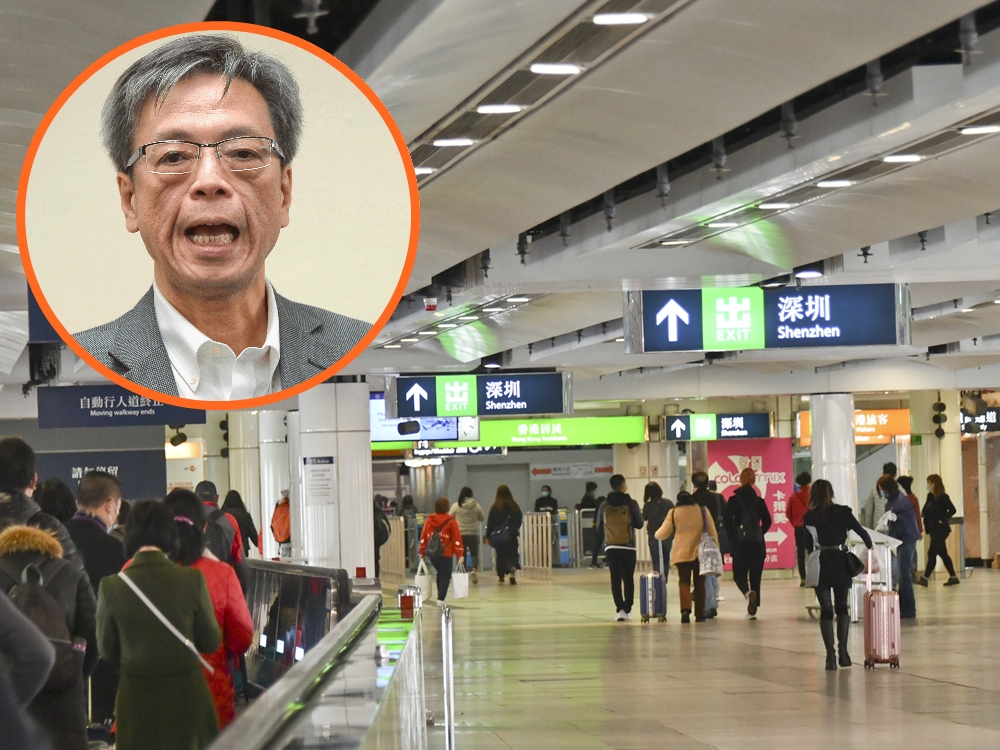
Respiratory disease expert Leung Chi-chiu said Hong Kong students who study abroad should continue to get two doses of BioNTech vaccines. file photo.