Read More







Night Recap - May 21, 2026
7 hours ago



ImmD crackdown targets moonlighting domestic helpers arresting 17
19-05-2026 17:52 HKT

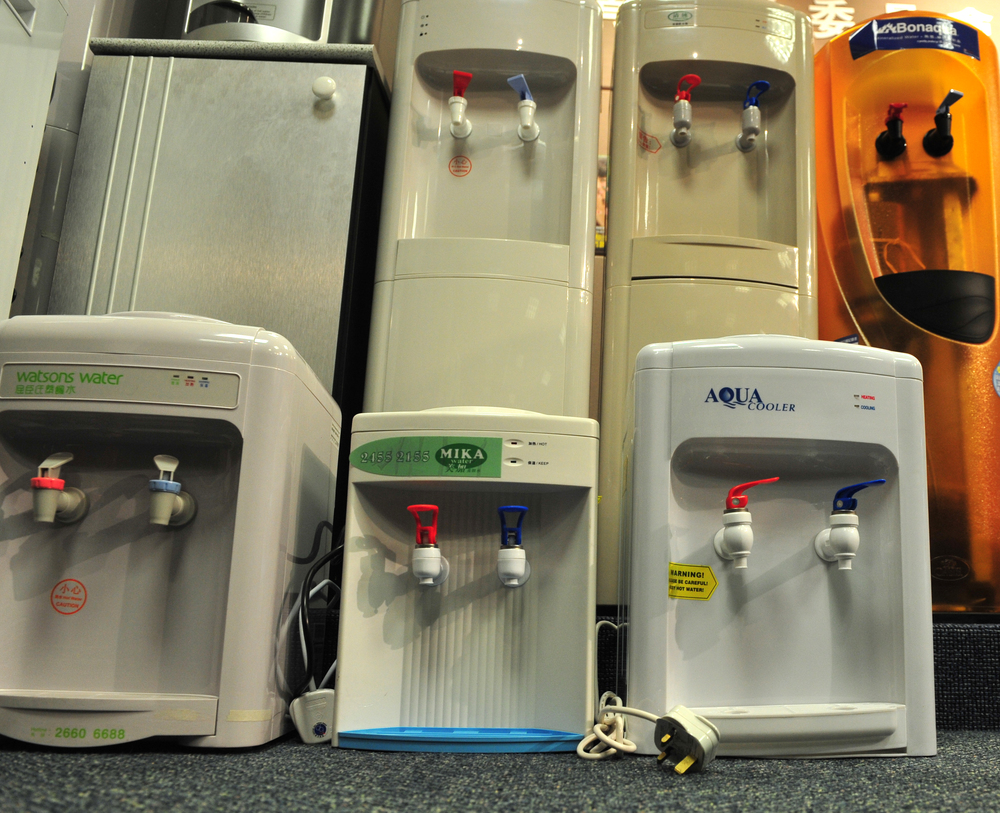
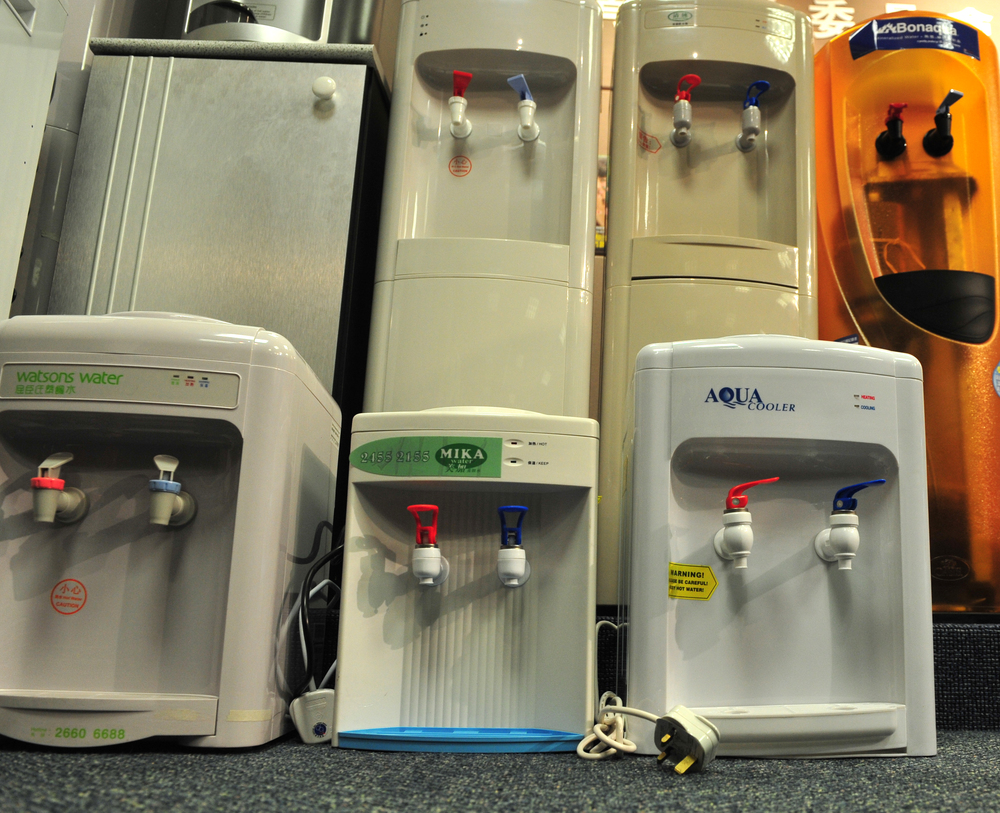
Water dispensers and drinking machines could be a transmission method for the novel coronavirus and Legionnaires' disease if not cleaned regularly, experts have warned.
There are two possibilities regarding how self-service dispensers and drinking machines could transmit diseases, pediatrician Chang Kit told Sing Tao Daily, sister paper of The Standard.
The first is if the outlet is contaminated via contact with a water bottle, Chang said. Assuming someone has the illness and his bottle touched the outlet, the virus in his or her saliva could spread to the next user.
Chang said the other way is when the insides of dispensers are not properly and regularly cleaned and disinfected, which may lead to the development of Legionella - a type of bacteria that causes Legionnaires' disease.
He said bacteria are commonly found in water storage towers and systems at home. If a dispenser has not been cleaned and disinfected, there is a chance this bacteria will breed. When people drink the bacteria-contained water, they may end up with Legionnaires' disease, he said.
Common symptoms of this disease include fever, cough, shortness of breath, tiredness, headache and muscle pain, while some may also experience abdominal pain and diarrhea. In severe cases, neurological symptoms and respiratory failure may appear and end up being fatal.
Citing a Chinese study, the Consumer Council in 2004 said if a barrel of water is put in a water dispenser that has not been disinfected, the water would be contaminated on the same day and the number of bacterial colonies could reach 100 to 370 colonies per milliliter. By the third day, the total number of bacterial colonies would reach 10,000 to 150,000 colonies per ml.
The warning about water dispensers came amid news that Covid-19 is spread primarily through droplets when they are inhaled or land in people's mouth, nose or eyes. Scientists also found the virus in confirmed patients' feces and urine.
In the sixth edition of the novel coronavirus pneumonia treatment plan published by the National Health Commission, the main route of infection is said to be through direct and contact transmission, while there is also the possibility of aerosol transmission in relatively closed environments with prolonged exposure to high concentrations of aerosol.
In addition, shared elevators or sewage systems are possible breeding grounds of the virus and Chinese researchers also found the coronavirus on door handles. Although they have said it is not easy for the virus to survive on smooth surfaces, door handles and elevator buttons are of high risk because they are frequently touched by different users.
People are advised to wear masks in public places and wash their hands frequently to prevent infection.