Read More






Night Recap - May 21, 2026
7 hours ago




ImmD crackdown targets moonlighting domestic helpers arresting 17
19-05-2026 17:52 HKT



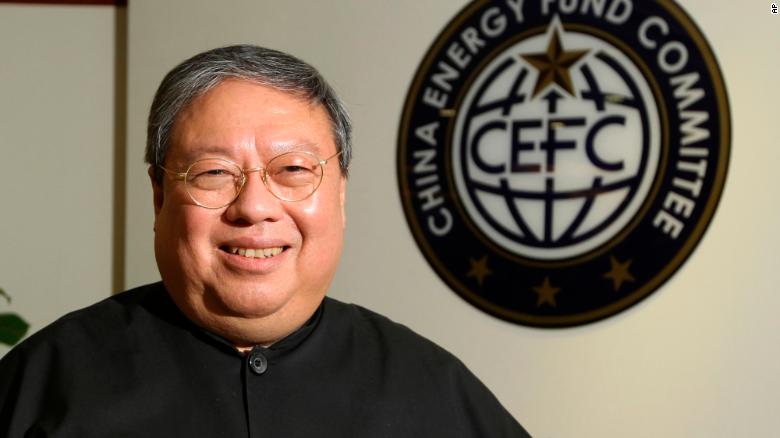
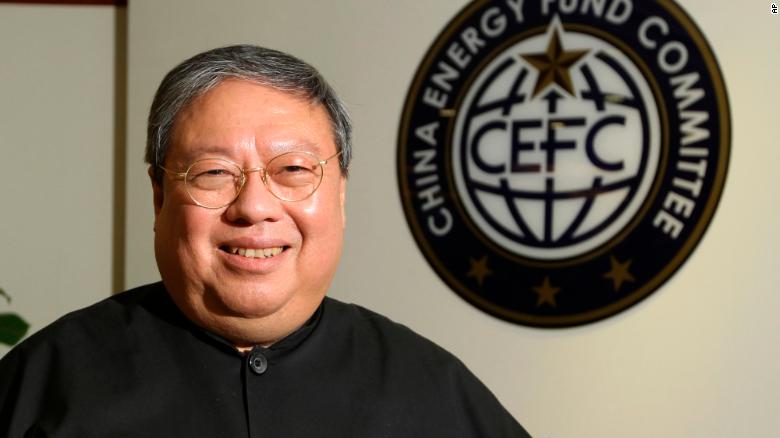
The conviction of forrmer home affairs secretary Patrick Ho Chi-ping for paying bribes to the presidents of Chad and Uganda in a United Nations-linked conspiracy was upheld Tuesday by an appeals court in the United States.
The 2nd U.S. Circuit Court of Appeals in Manhattan ruled in the case of Dr Ho, finding he was properly convicted by a jury in December 2018 of paying bribes to the African presidents.
Ho’s attorney did not immediately respond to a message seeking comment.
Ho, 70, who is also an ophthalmologist, was sentenced last year to three years in prison by U.S. District Judge Loretta A. Preska, who called Ho’s works of charity “extraordinary” and said he deserved leniency.
Ho, who was secretary for home affairs from 2002 to 2007, returned to Hong Kong in June.
Preska noted that Ho restored sight for strangers, brought music to the Metropolitan Correction Center and tutored inmates who then finished high school.
At sentencing, Ho said he was “deeply sorry” and was grateful to guards and inmates at the Metropolitan Correctional Center, where he was incarcerated, for keeping him safe.
At trial, prosecutors said his bribes were part of a scheme to secure oil rights for an energy conglomerate known as CEFC China Energy.
They noted that the Ugandan scheme was created in part at the United Nations in New York while Uganda’s foreign minister was president of the U.N. General Assembly.
Lawyers for Ho insisted that payments to the presidents were legitimate charitable donations. The payments included $2 million in gift boxes delivered to Chad’s president in 2014.
The charges were brought in New York by authorities who cited meetings and wire transfers in Manhattan related to the bribes, including a meeting in a suite at the Trump World Tower.
On appeal, Ho said there was insufficient evidence for a conviction and cited various procedural errors, but a three-judge appeals panel disagreed.
“We conclude that the evidence introduced at trial was more than sufficient,” the 2nd Circuit said in a decision written by Circuit Judge Richard J. Sullivan.