Read More


Night Recap - June 12, 2026
12 hours ago






Nine-day rainy spell to hit HK with heavy showers and thunderstorms expected
11-06-2026 22:45 HKT

ICC chief hails Hong Kong as dispute resolution hub
08-06-2026 07:20 HKT
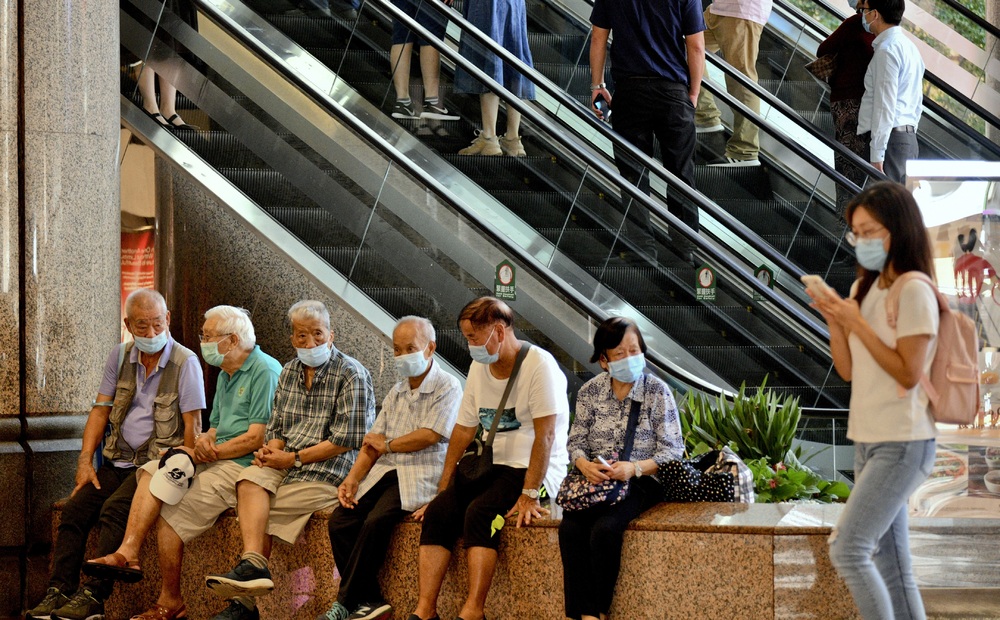
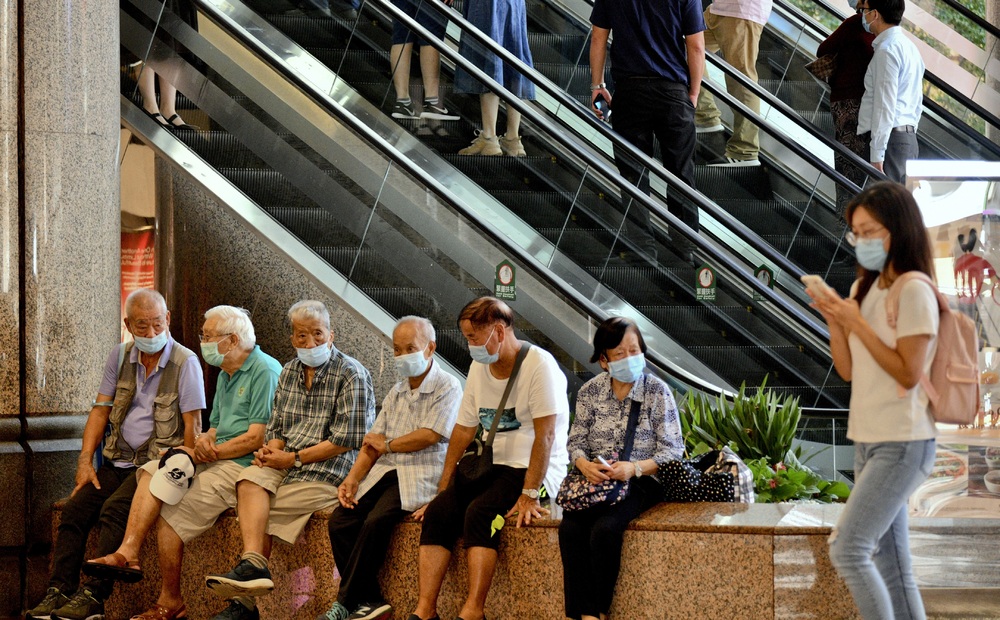
A non-profit organization said shopping mall facilities are not friendly for the elderly suffering from dementia, and they may easily get lost within the malls.
A survey conducted by the Hong Kong Alzheimer’s Disease Association has found that more than 60 percent of dementia patients had encountered difficulties in locating toilets in shopping arcades.
Over 70 percent of dementia patients’ caregivers thought there weren’t enough resting areas in shopping centers, the study showed.
The poll on dementia friendly facilities in the community was conducted from August 8 to September 9 and took in 138 people, mostly families of elderly dementia patients.
Some 64 percent of the respondents said patients couldn’t find their way back after using toilets in malls due to the concealed spots of restrooms and insufficient signage.
And more than 60 percent of the caretakers revealed that their patients failed to find a correct spot when alighting from public transport as drivers and staff didn’t provide enough directions and assistance.
Maggie Lee Nga-yee, executive director of the association, said problematic designs in shopping centers, such as unclear toilet signages, elevator doors covered up by large wall advertisements and transparent handrail in lifts, made it hard for dementia patients to find these facilities.
“Some respondents complained about the faulty toilet signs in malls, saying the signages are in fact hiding the exact location of lavatories,” said Lee.
David Dai Lok-kwan, chairman of the association, said hospitals and elderly care homes should be equipped with more friendly facilities as Hong Kong is facing an aging population with a growing number of dementia patients.
“Many other regions such as the mainland, Macau, Taiwan and Japan had already rolled out measures targeting dementia patients, the SAR government should be setting up a department to map out concrete policies,” Dai said.
The association suggests public hospitals and elderly homes add more dementia-friendly facilities, such as using anti-slippery tiles to replace colorful mats which are visually obtrusive to patients, setting up alarms in elderly homes which would only ring to notify staff instead of the entire building to reduce stimulation and generate more open space to enhance comfortability.