Read More
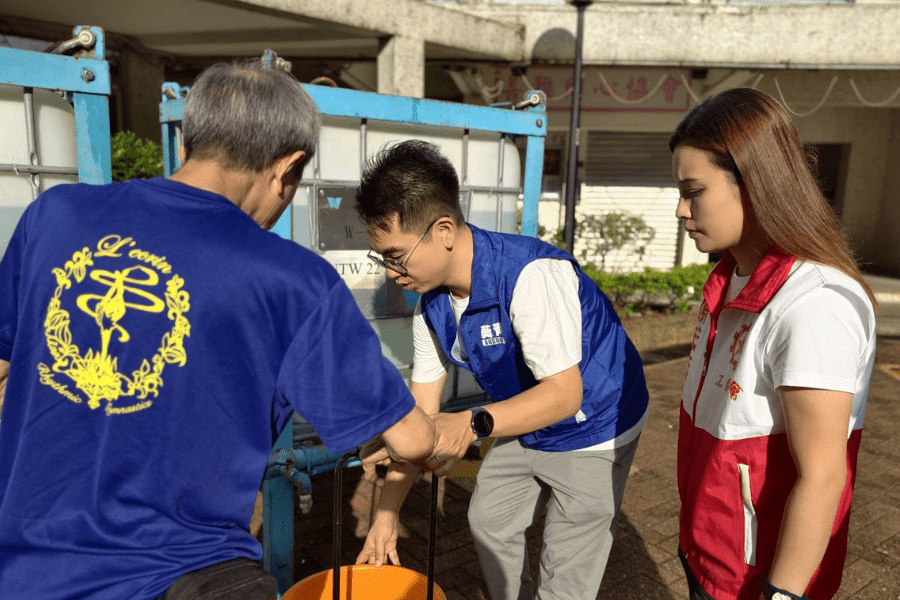
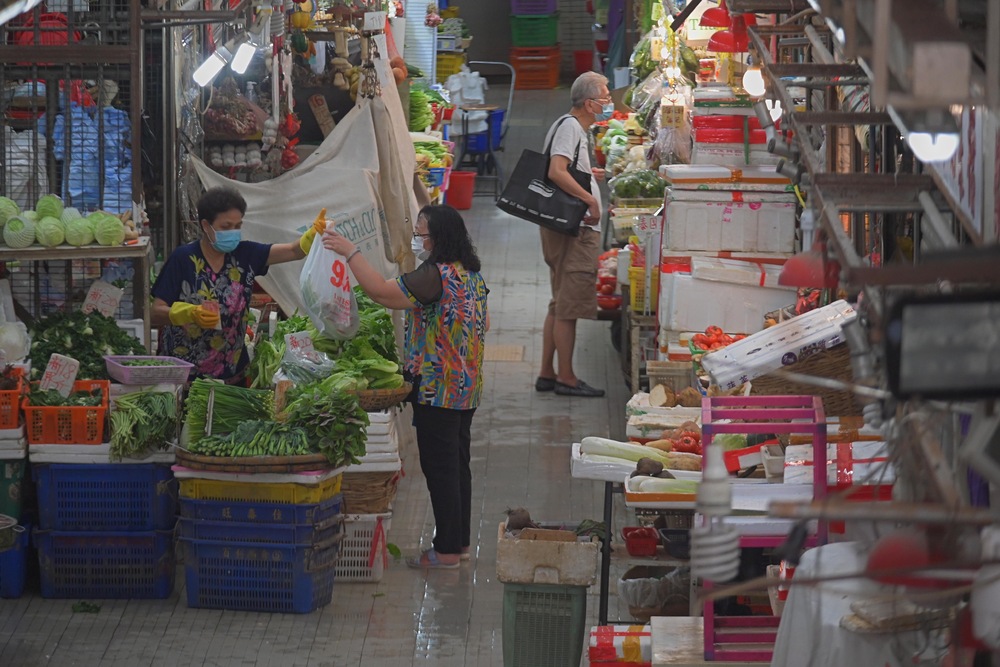
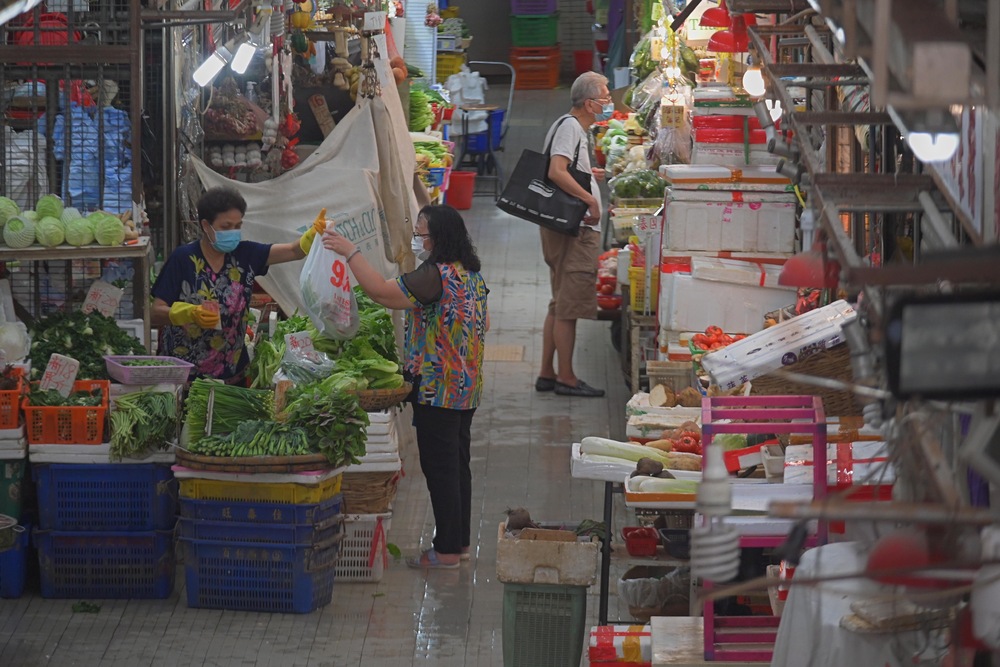
Business for wet markets in Yau Tsim Mong district has dropped 80 to 90 percent since the coronavirus outbreak, yet many stall owners could not benefit from the government’s Anti Epidemic Fund, vendors said in a press conference today.
ADVERTISEMENT
SCROLL TO CONTINUE WITH CONTENT
Ken Yim Kwok-kuen, a vegetable stall owner at Kwun Chung Market, said that his business has dropped more than 80 percent since the third wave of the pandemic.
"Before the outbreak, I earned between HK$ 300,000 and HK$500,000 a month which can cover all the rents and other costs. However, I only earn around HK$1,000 to HK$1,500 a day now,"
Despite receiving HK$80,000 subsidy from the retail sector subsidy scheme, Yim said that it could hardly help his business.
"Seventy percent of my business comes from restaurants yet many of them are closed or cut their orders because of the dine-in ban. Also, less people are willing to shop at wet markets now, fearing the spread of the coronavirus," Yim added.
Derek Chu Kong-wai, the district councilor of Mong Kok South, said that many stall owners are not eligible to apply for the government’s anti-epidemic fund due to the restrictions of the subsidy schemes.
"I was unable to have any funding because the Catering Business Subsidy Scheme exclude siu mei shops issued by the Food and Environmental Hygiene Department and the retail subsidy scheme also exclude fresh provision shops," Szeto Kwang, the owner of a siu mei stall in Fa Yuen Street Market, said.
Szeto said that he was frustrated that he was left out in the subsidy schemes. His business has dropped 50 percent in the first and second wave and with the third wave coming, he said that it is hard to maintain the business.
"I have sacked two employees in four months to limit the operation costs, leaving me the only one working at the stall now," he added.
District councilors from the Yau Tsim Mong District urge the government to introduce a third round of anti-epidemic fund that can include wet market stall owners and extend the rent assistance policy for a minimum of six months.
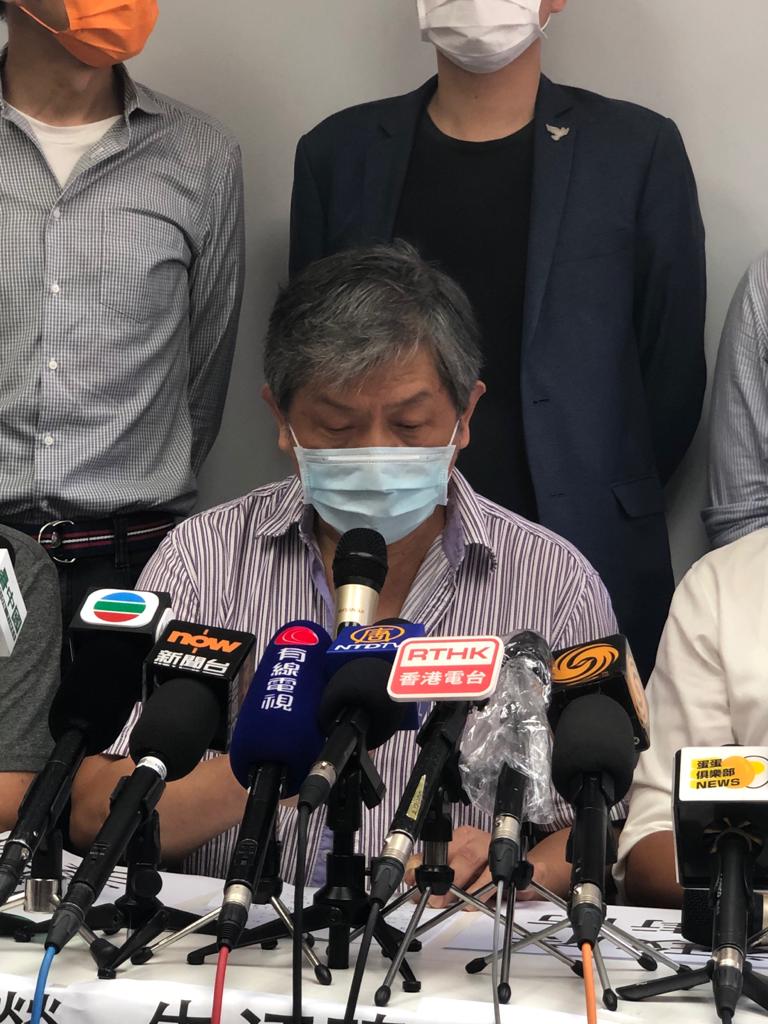
Szeto Kwang