Read More


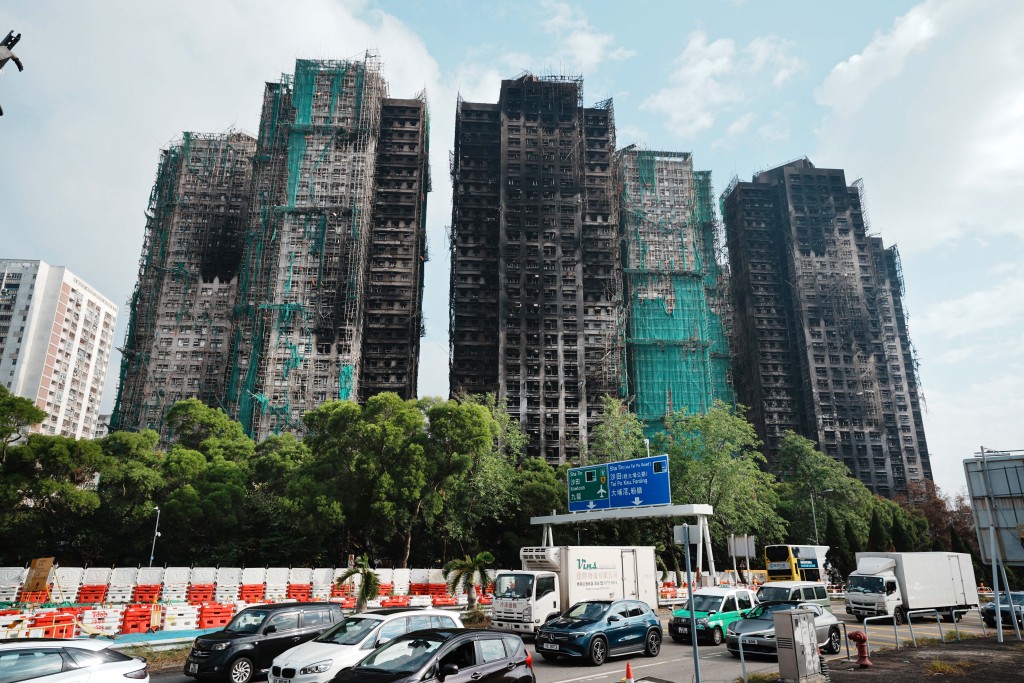



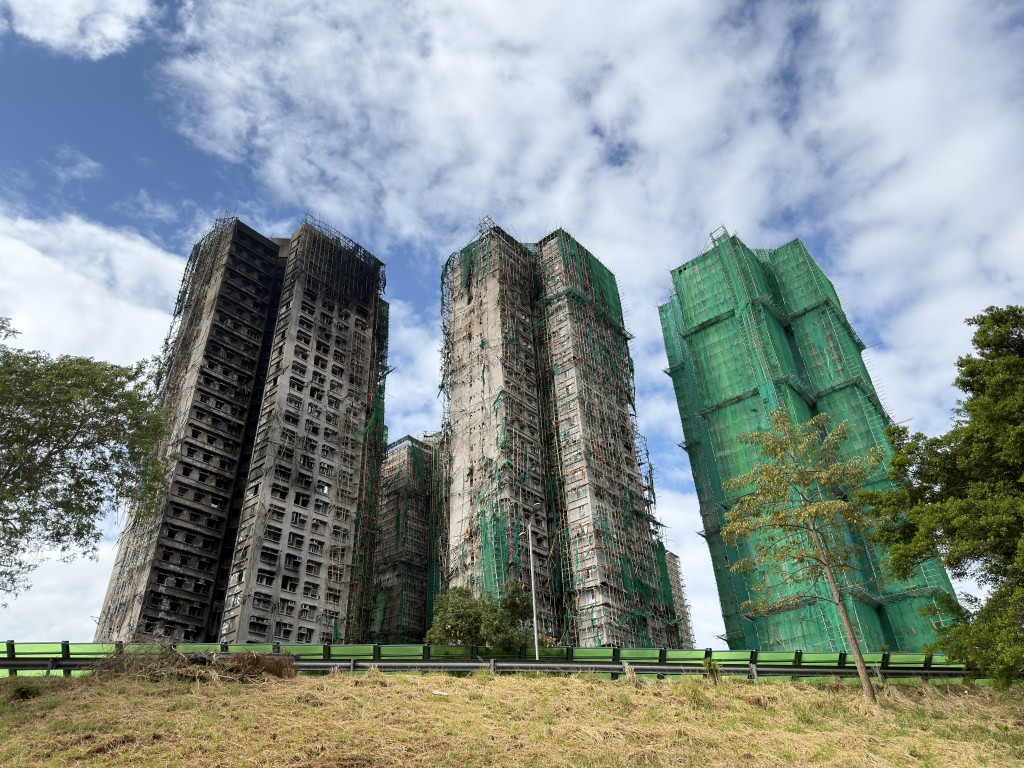
The Hong Kong government is encouraging residents of the fire-ravaged Wang Fuk Court to accept a comprehensive property buyout and relocation package, as a vocal minority advocating for on-site reconstruction reportedly subjects supporters of the government scheme to intense cyberbullying and harassment.
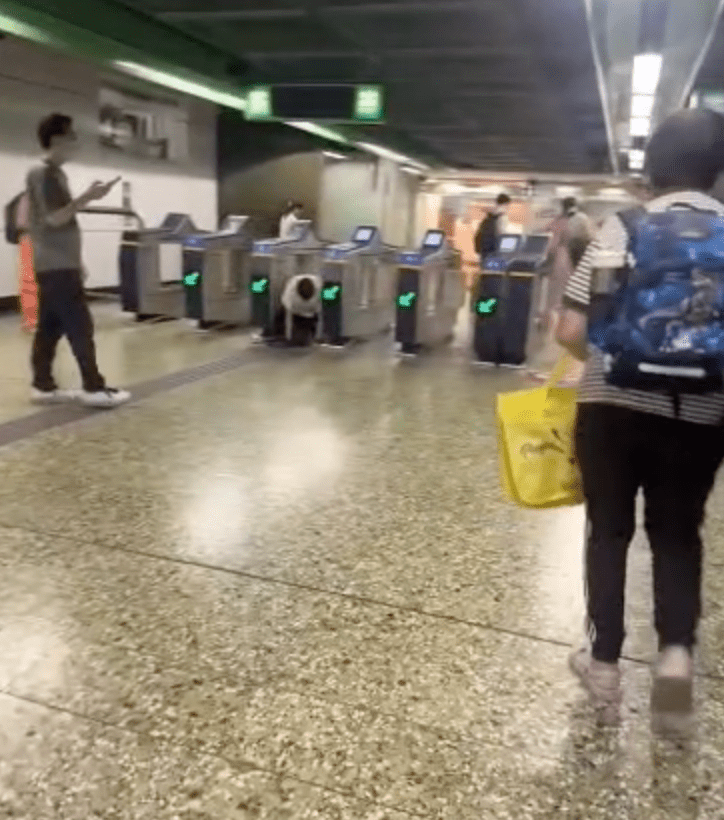
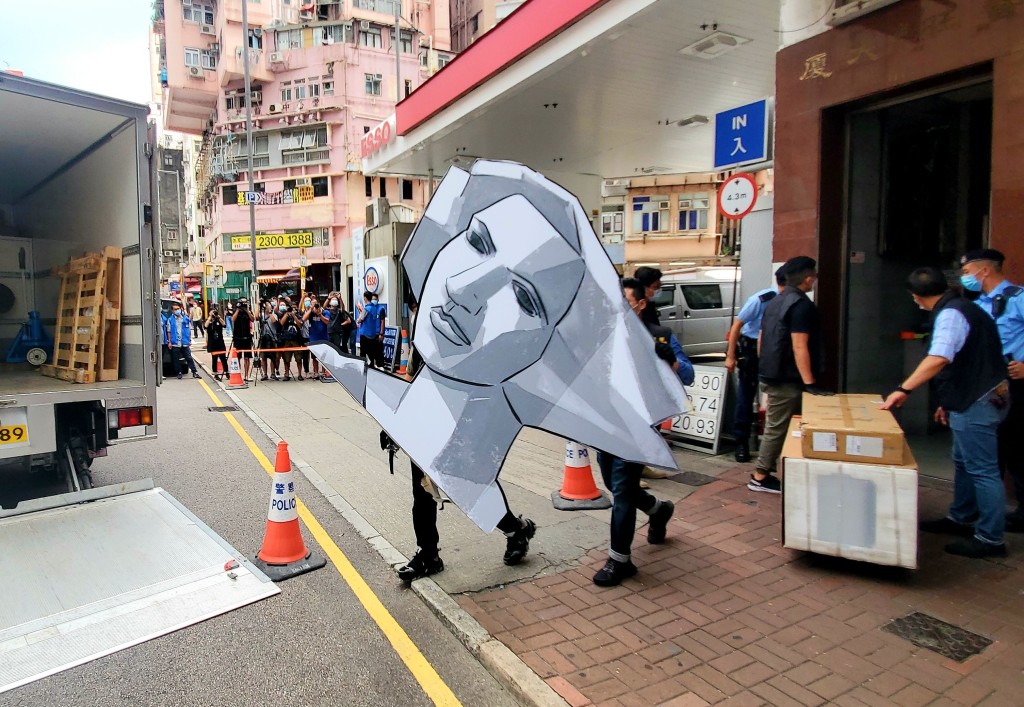
Over the past month, authorities have completed three rounds of relocation operations, assisting nearly two thousand households and six thousand residents in packing their belongings and bidding a final farewell to their former homes and deceased neighbors.
The majority of residents interviewed during these operations expressed their agreement with the government's long-term housing arrangement and their desire for priority placement in new homes.
The government is currently offering displaced owners a choice between cash compensation or a flat-for-flat exchange, utilizing an acquisition rate that exceeds the estate's market value prior to the fire.
Through a special sales arrangement, two thousand affected property owners will be given priority to select from nearly four thousand subsidized flats.
The acquisition prices have been set at eight thousand dollars per square foot for flats with unpaid premiums and ten thousand five hundred dollars for those with paid premiums.
Surveying experts evaluate these rates as highly favorable, noting they include a compassionate premium that provides residents with sufficient capital to purchase new homes while bypassing the lengthy uncertainties of private insurance claims.
To alleviate the financial burden of legal fees, the Tung Wah Group of Hospitals has allocated ten million dollars to commission three legal teams to handle the sales agreements and transfer procedures for property owners free of charge.
This service is expected to benefit up to one thousand cases on a first-come, first-served basis, with referrals managed exclusively through a dedicated government explanation team.
Furthermore, the charity has set aside an additional thirty million dollars for a relocation allowance, granting thirty thousand dollars in cash to the first one thousand households that agree to transfer their property titles to the government.
Despite the comprehensive buyout package, a minority of property owners remain insistent on an on-site reconstruction of the estate, hoping to restore their previous living environment.
However, engineering and legal experts project that this alternative is highly impractical.
Authorities would require roughly three years just to consolidate all the property titles, followed by six to seven years to demolish and rebuild the seven residential blocks, totaling a decade-long wait.
Providing prolonged temporary housing subsidies during this period would cost approximately one and a half million dollars per household, ultimately draining three billion dollars from public funds before even accounting for the massive construction costs.
Officials have also addressed external concerns regarding the use of nearly three billion dollars from the public civilian relief fund to help finance the acquisition scheme.
While some critics suggested this deviated from the donors' original intentions, authorities clarified that securing permanent housing is the most critical need for the victims and aligns perfectly with the fund's purpose.
The total acquisition plan requires nearly eight billion dollars, with the government subsidizing approximately seventy percent of the cost using five billion dollars in public funds.
Politicians have noted that the fire rendered the current estate virtually worthless. If the remaining donated funds were simply divided equally among the households, each family would receive only about one point four million dollars, an amount insufficient to purchase a new property.
The push for a swift resolution has been marred by organized intimidation.
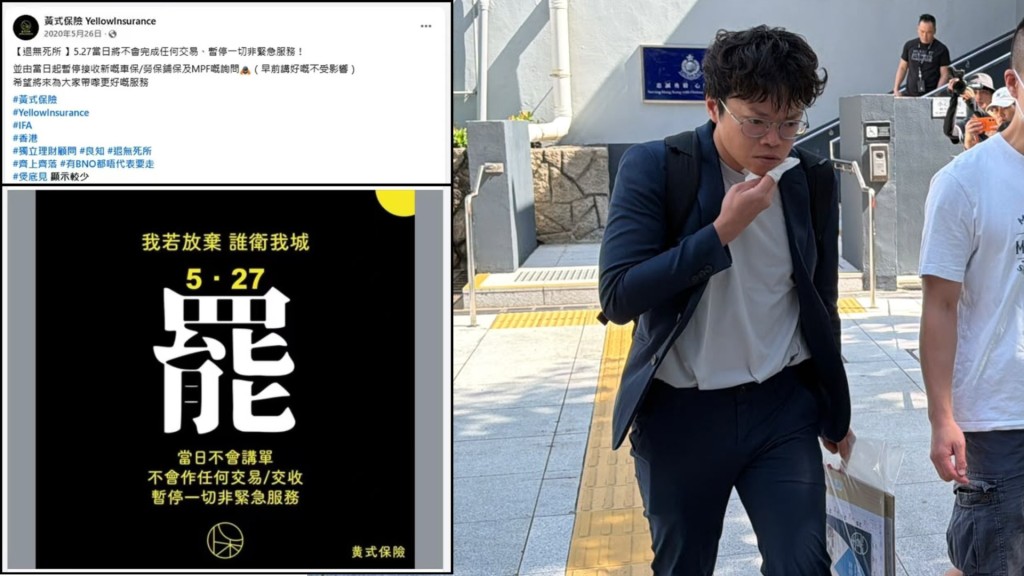
Residents and elderly victims who have publicly expressed their support for the compensation scheme and a desire to move on have faced severe cyberbullying, doxxing, and threatening private messages from opponents.
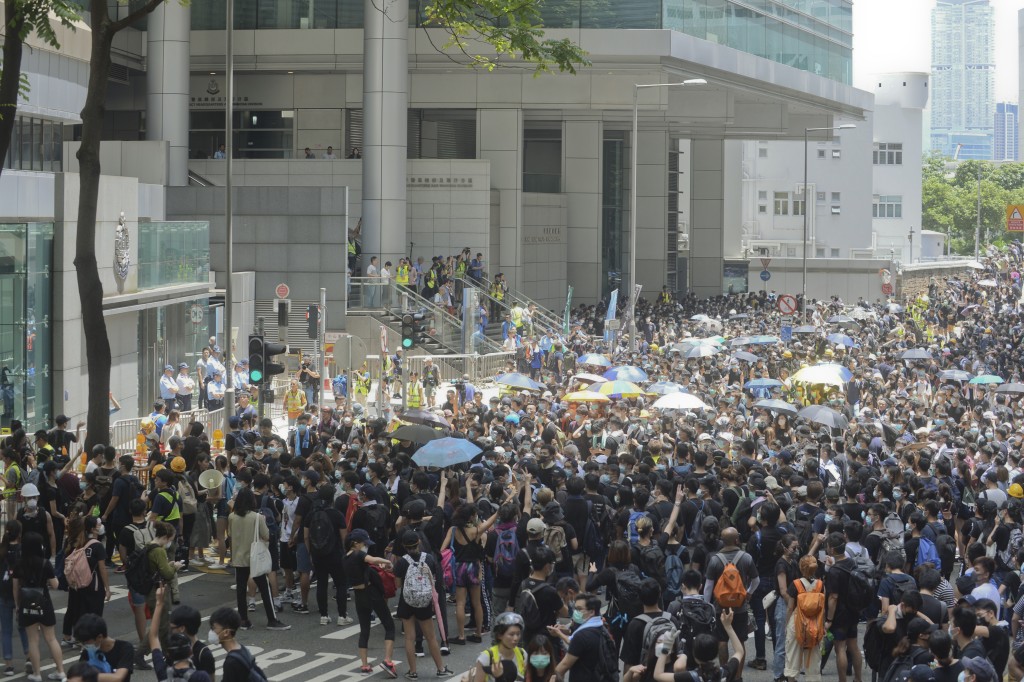
Politicians have strongly condemned these malicious tactics, comparing the harassment to the hostility witnessed during the social unrest in 2019.
Many residents have reported being lobbied by holdouts to delay accepting the government's offer in hopes of negotiating better terms.
However, the majority are anxious to begin their new lives and fear that the unrealistic demand for reconstruction will only delay their housing allocation.
They have urged the government to separate the groups and expedite the processing for those who accept the buyout so they can be rehoused as soon as possible.
Top government officials have reiterated that the decision to sell remains entirely voluntary and based on mutual consent.
To incentivize prompt decisions, housing selection priority is being determined by the date owners sign their acceptance letters.
The deadline for the first batch of applications is set for June 30, with the second phase closing on August 31.