Read More
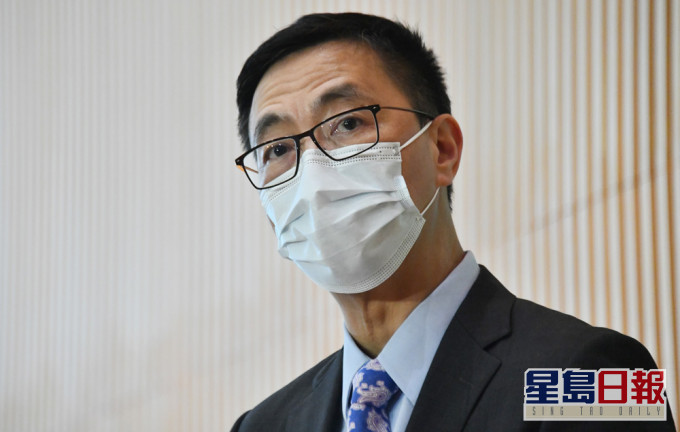
The secretary for education, Kevin Yeung Yun-hung, said stopping face-to-face classes has been a difficult decision, and stressed the importance of balancing students’ health with the development of the coronavirus.
ADVERTISEMENT
SCROLL TO CONTINUE WITH CONTENT
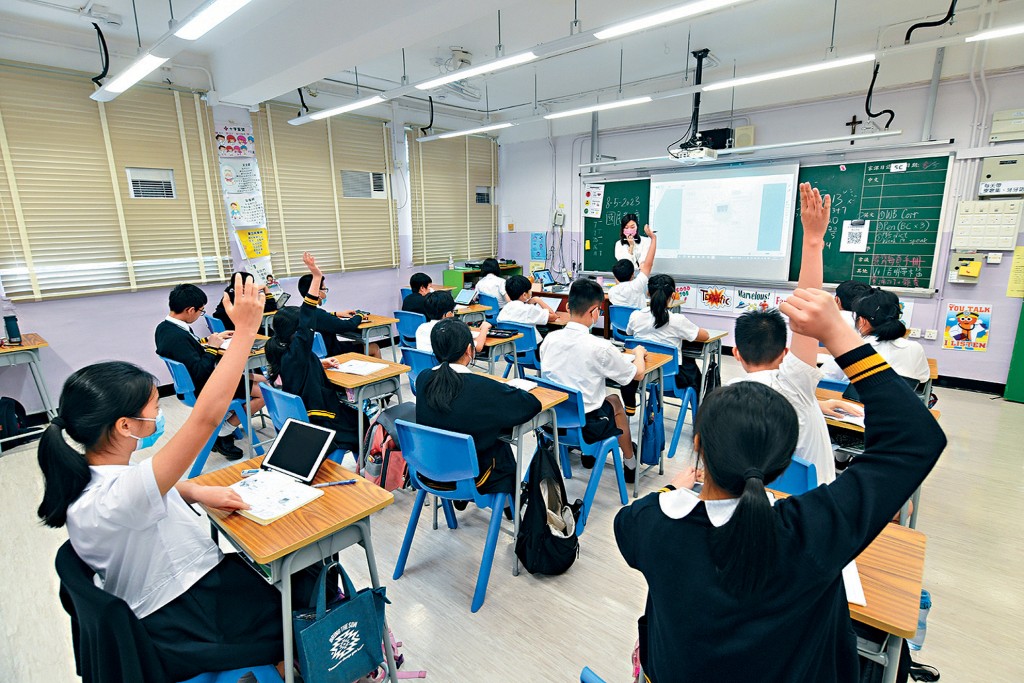
Yesterday, the Education Bureau announced that schools can start the new academic year as scheduled without in-person classes until further notice.
Speaking on an RTHK radio program today, Yeung said as Secondary Six students will have to take the Hong Kong Diploma of Secondary Education, and students in Primary One, Six, and Secondary One will have to adjust to a new school, the Education Bureau will place these four years as the priority when resuming normal classes, as well as shortening the time between each stage of class resumption.
Yeung mentioned how the previous return to in-person classes split students of different years into three separate batches, each batch returning about seven to 10 days apart. He believes that this could be shortened, with a return to half-day lessons as a safety measure.
Under the current measures such as restrictions on gatherings, Yeung said there would be difficulties in having 10 to 20 students in the classroom. Also, younger students and kindergarteners have much lower levels of self control than secondary school students, and they may not be fully able to follow social distancing measures.
He noted that if the summer break was extended further, students would lack certain learning opportunities in the coming school year. After careful consideration, it was determined that in-person classes would be suspended, but classes would resume on the planned starting date.
According to Yeung, students going into Secondary Six spent less time in school compared to students in previous years, and it would be difficult for schools to use the summer break as a means for students to catch up. He said the Hong Kong Examinations and Assessment Authority will look into the public examination and make necessary changes, including shortening the time and number of questions, as well as adjusting the examination schedule.
As for kindergartners’ learning, Yeung said due to their young age, they might not need online classes, and recommends providing simple worksheets instead. Concerning the difficulty in teaching kindergartners social skills, he believes that their interest can be maintained through online videos while developing a reading habit as well. Also, he hopes parents can participate more in their children's learning.
On closure of kindergartens, Yeung pointed out that the bureau has received notice of the closing of six kindergartens, which is comparable to four or five in past years. He stressed that the government will take into account how each industry will be affected, and will conduct research on whether more support needs to be provided.
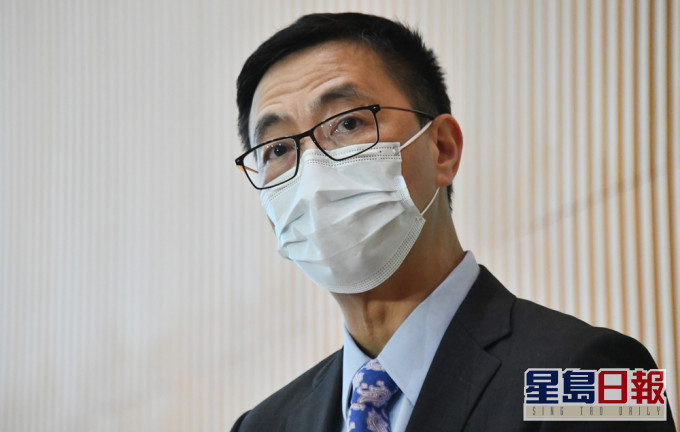
Kevin Yeung.