Read More


Night Recap - October 2, 2026
1 hour ago






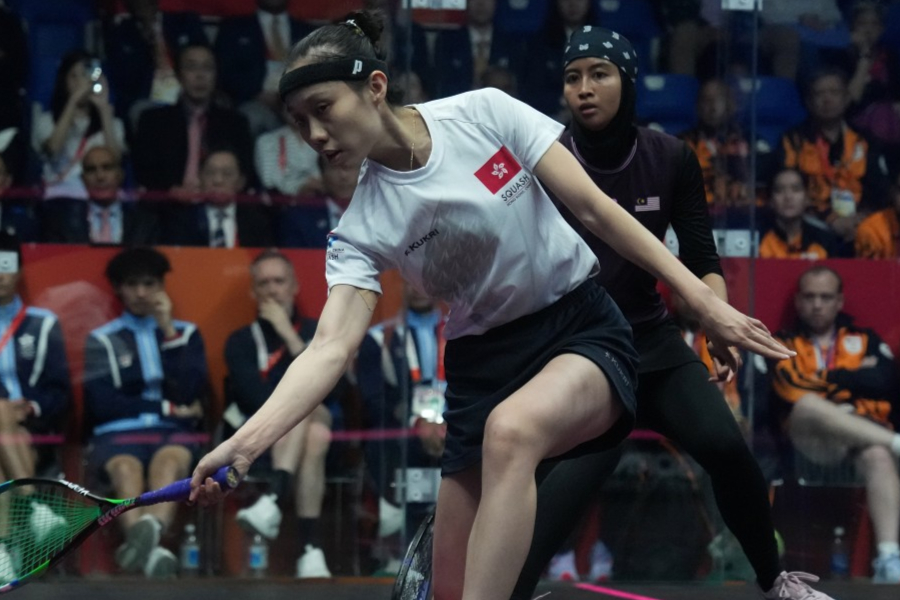


Man dies after suspected drowning during Peng Chau swimming race
01-10-2026 14:56 HKT
Hong Kong's success in surviving multiple waves of the coronavirus provides hard earned lessons to other cities around the world now looking to relax restrictions, US cable network, CNN reports.
The Chief Executive Carrie Lam told a briefing yesterday, Hong Kong adopted and advocated a “suppress and lift” strategy.
She said: "Many renowned experts are now trying to study our situation, why do Hong Kong succeed in keeping the confirmed cases at a low level without drastic measures like the complete city lockdown, and I do think that it is a very interesting topic for further research.''
In total, Hong Kong has recorded only 15 new cases since April 20, all of which were people with recent travel history. That brings the city's total to 1,041 cases and four deaths. Of those total cases, 900 patients have recovered and been discharged from hospital.
The coronavirus first emerged in mainland China in December, and jumped the border into Hong Kong on January 24. By then, it had already made its way to several other countries, CNN says.
Hong Kong closed borders and began social distancing just a week or so after recording its first case. But this three-month stretch of working from home, business closures and service suspensions has dealt a massive blow to both the city's economy and the mental health and wellbeing of residents.
Now, with the second wave mostly contained, many are itching to get back to pre-pandemic life.
"I do feel very strongly, and also echoed by many people in society, that the time for some relaxation, for some lifting of the restrictions that we put on this social contact has come," said the city's leader, Chief Executive Carrie Lam, on Tuesday, shortly before announcing the loosening of some restrictions.
The new guidelines, which will go into effect Friday, will allow more people to gather in public and some businesses to reopen.
But Lam and other health experts are also cautioning people not to let their guard down too soon, as they did in February. With the virus still wreaking havoc on the rest of the world, it's too soon to celebrate, she warned.
"I must stress that this epidemic may come back. As the WHO (World Health Organization) said not long ago ... we must remain vigilant," Lam said last week.
In Hong Kong, public panic peaked in early February, with crowds stockpiling toilet paper, face masks and groceries until supermarket aisles were empty citywide.
But the actual number of cases remained relatively low; by the start of March, the city only had about 150 coronavirus cases, despite sharing a border with mainland China where the virus first emerged.
Then, as the coronavirus pandemic moved beyond China and hit the West, shuttering universities and raising alarm, Hong Kong students and residents began returning to the city in waves -- bringing the virus back with them. By the end of the month, case numbers had surged past 700.
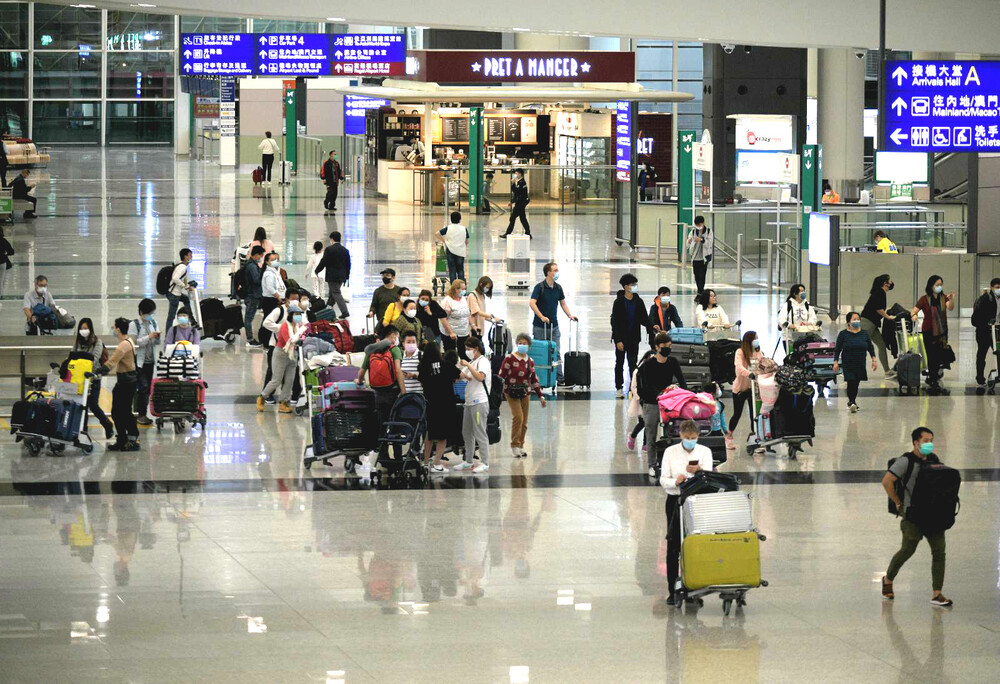
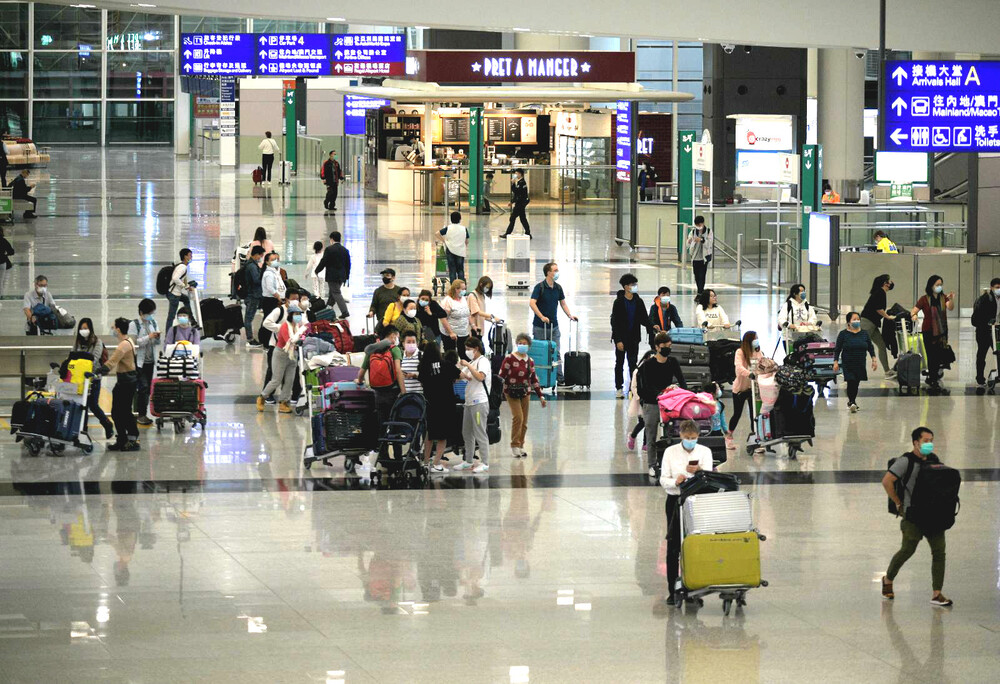
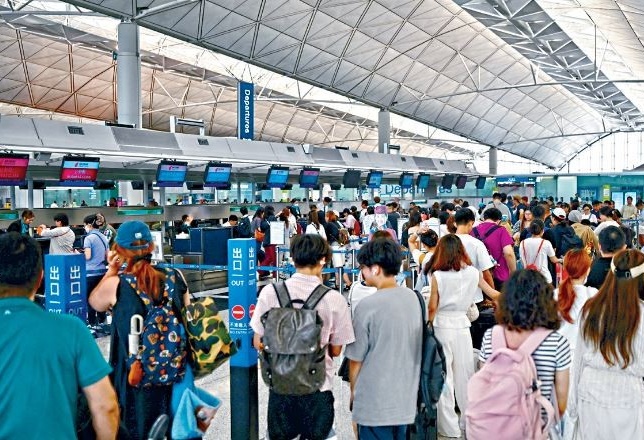
The government took quick, aggressive action to curb the second imported wave; they barred non-residents from entering the city, halted travelers from transiting through the city's airport, and implemented strict quarantine and testing measures on all arrivals to the city, regardless of origin. Those under home quarantine were given electronic bracelets to track their location.
The government implemented restrictions like prohibiting alcohol sales in bars and closing all gyms and sports facilities. Many restaurants and cafes closed; those that stayed open had to cut down seating capacity to increase the distance between customers, or put up physical barriers between tables, CNN reports.-Additonal reporting The Standard