Read More
A group of district councillors urged the government to take immediate action to improve hygiene conditions in more run-down areas of Yau Tsim Mong district – warning that grassroots communities are particularly vulnerable to potential community outbreaks of the new coronavirus, that emerged in Wuhan China. RTHK reports.
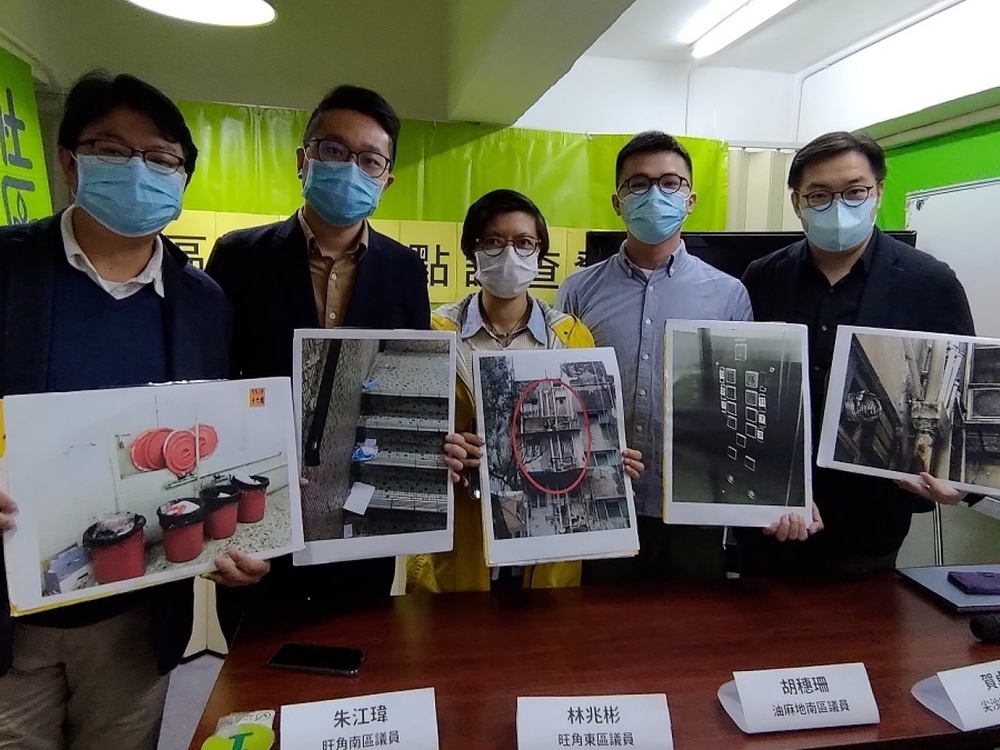
Councillors identified more than a dozen ‘blackspots’ out of more than 100 buildings they inspected in the area, saying they have poorly designed or maintained drainage pipes that are rusty, leaky, or are exposed to the open air.
They warn these pipes could easily become a vector for the transmission of the newly-named Covid-19 virus.
“We ask the authorities to prosecute those who unlawfully change the [drainage pipes], and ask them to immediately improve the design,” councillor Suzanne Wu, who represents Yau Ma Tei South, said.
She said the Buildings Department should step up inspections, both of drainage and sewerage pipes.
She said with the numerous alterations to sewerage pipes required inside subdivided flats, the risk for tenants of such units may be even higher.
“Their pipes are rusting; the owner ignores their needs, and… the government do not support those… owners to take good management in their buildings”, Wu said.
The councillors also want the government to shut down all hostels nested within multiple buildings across the district, saying less than 10 percent of such establishments have even basic disease-prevention measures such as providing alcohol hand-sanitisers.
They say some establishments even dry laundry in the corridor, and that the increased number of people in such buildings adds to the risk of infection.
Wu also says the authorities should do more to educate the public on the need to maintain good personal and environmental hygiene, noting that almost 80 percent of the buildings they inspected didn’t even have covered bins, and they found used facemasks strewn around the entrances of almost a fifth of the buildings.
ADVERTISEMENT
SCROLL TO CONTINUE WITH CONTENT
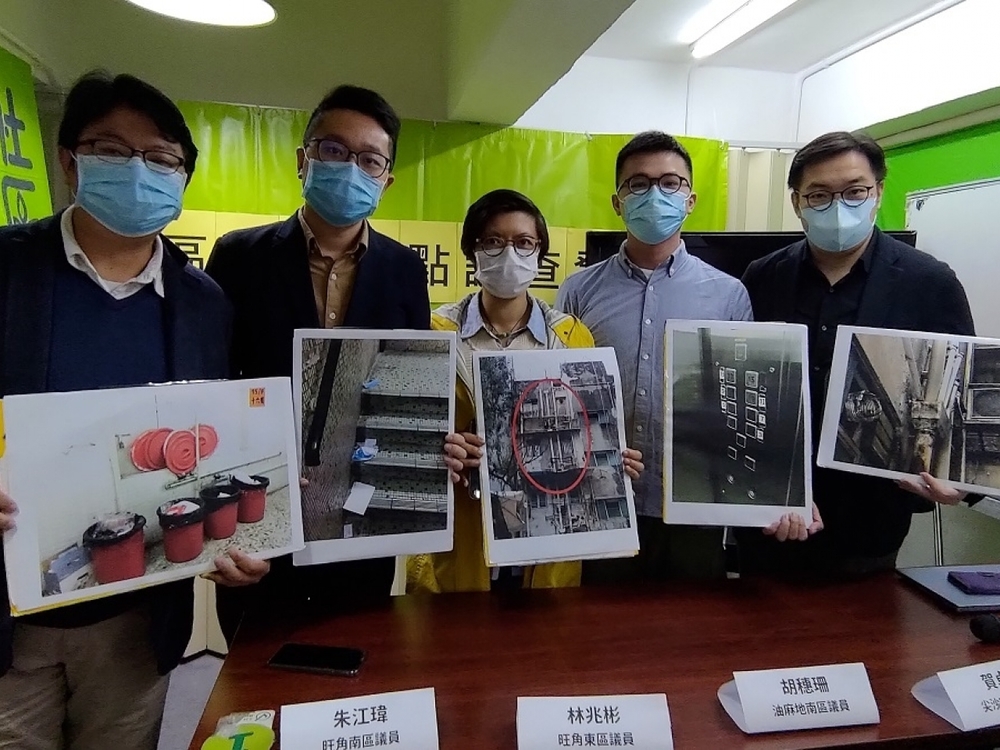
Councillors identified more than a dozen ‘blackspots’ out of more than 100 buildings they inspected.