Each September, some of sailing’s largest and most sophisticated yachts gather off Sardinia’s northeastern coast, where the turquoise waters around Porto Cervo become a testing ground for design, preparation and teamwork.
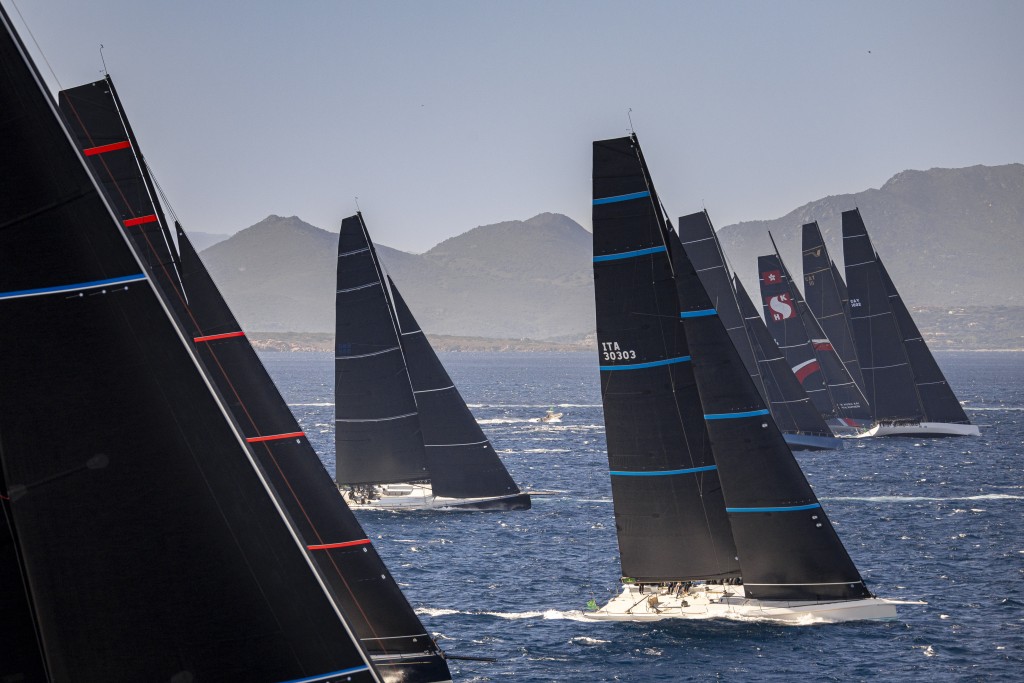
The Maxi Yacht Rolex Cup has occupied that place on the international sailing calendar for more than four decades. The 2026 edition, running from September 6 to 12, has brought more than 40 maxi yachts measuring at least 60 feet to Porto Cervo for racing around the islands and channels of the La Maddalena Archipelago.
Organized by the Yacht Club Costa Smeralda in collaboration with the International Maxi Association and supported by title sponsor Rolex, the regatta brings together everything from purpose-built racing machines to high-performance cruising yachts.
At this scale, speed is only part of the equation. Each boat is the product of an extensive network of designers, engineers, boatbuilders, sailmakers, owners and sailors, with performance often determined long before a yacht reaches the starting line.
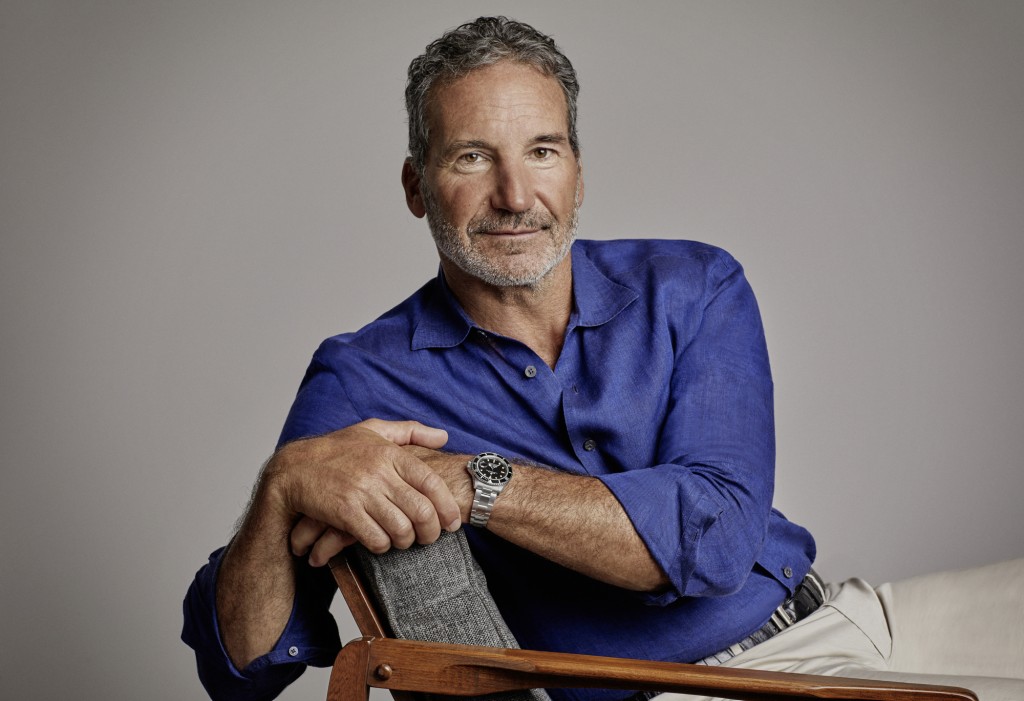
Few competitors have watched that evolution as closely as American sailor Paul Cayard.
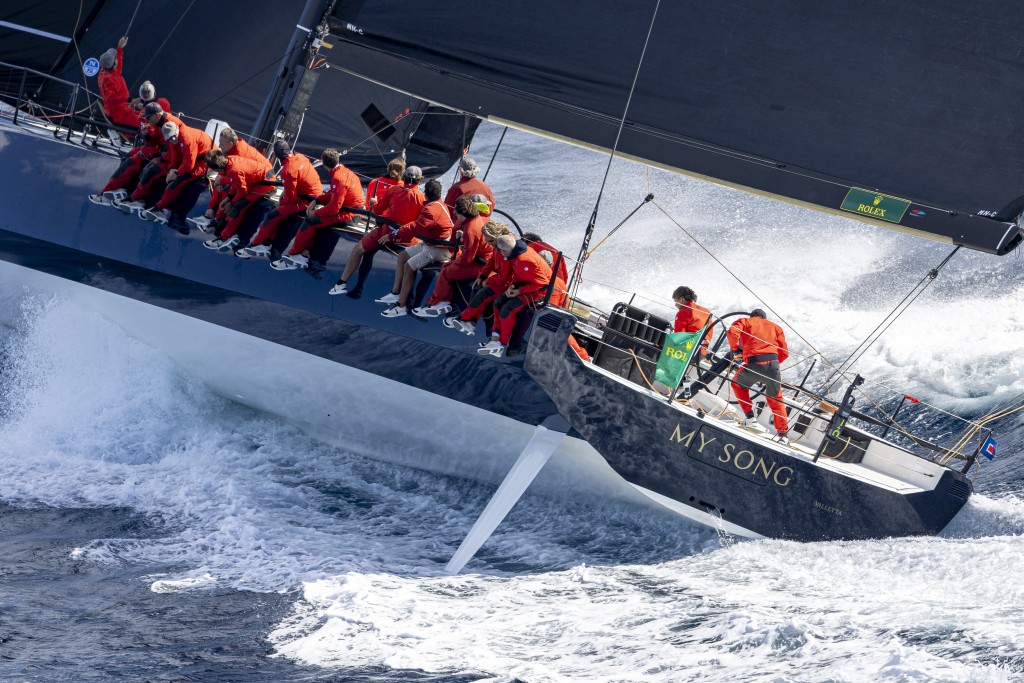
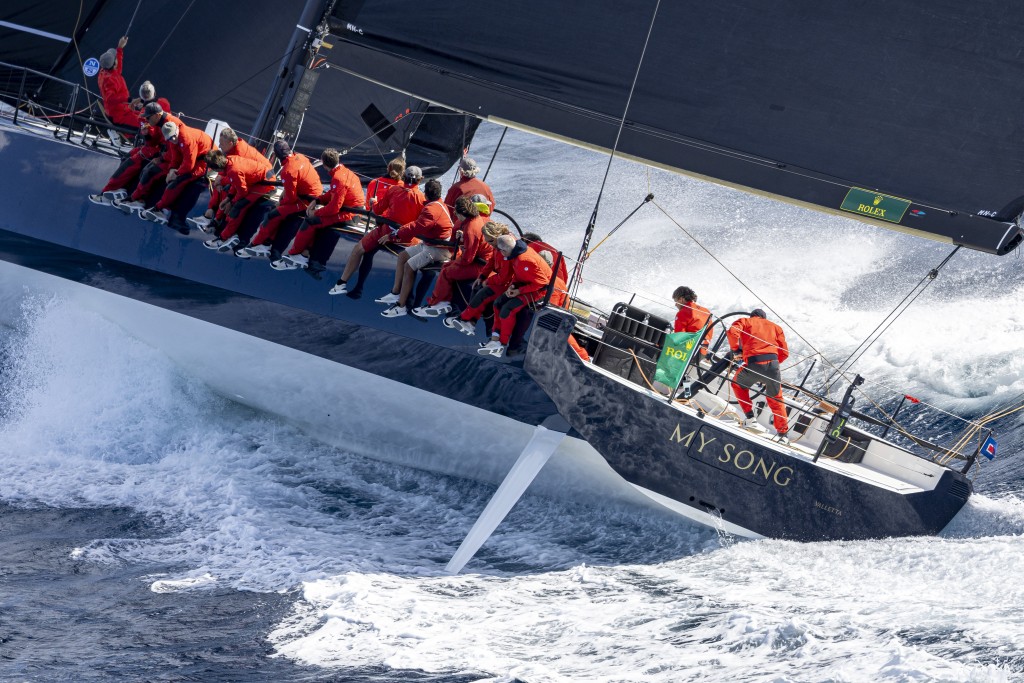
The Rolex Testimonee is back in Porto Cervo this year aboard the 27.4-meter ClubSwan 80 My Song, more than 40 years after competing in the inaugural edition in 1985. At that first regatta, Cayard helmed Il Moro di Venezia II to second overall, winning three races along the way.
“Ever since Rolex first supported the Maxi Yacht Rolex Cup over 40 years ago, it has always been the defining moment of the year, where you put all your work on the table,” Cayard said.
“It was racing at competitions like this where I gained the skills and tools of my profession. I learned how to manage teams, develop strategies, think about boat preparation as well as tuning sails and other equipment on a large scale.”
For Cayard, those early years in maxi racing formed part of a career that would later take him to the America’s Cup, Admiral’s Cup and Whitbread Round the World Race, which he won at his first attempt.
More recently, he has added Star and Etchells world titles to a career that has stretched across generations of boats, technology and competition.
That longevity also mirrors the nature of maxi yacht racing itself. These are boats that can evolve considerably over time, with new sails, structural modifications, electronics and performance upgrades allowing older yachts to remain competitive against newer designs.
Among this year’s returning names are several past class winners.
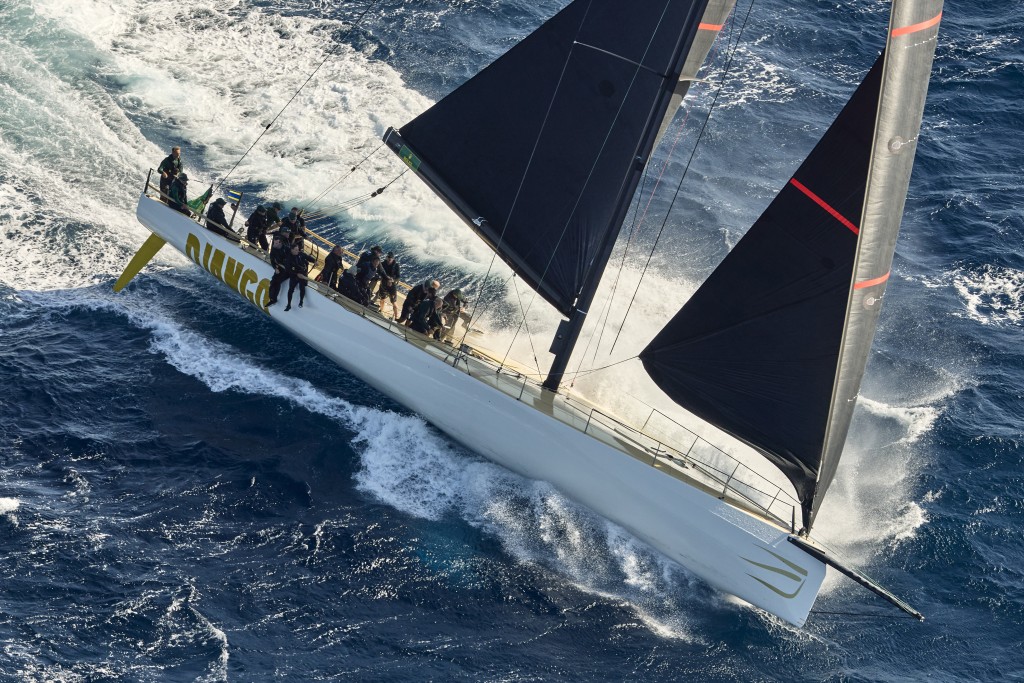
The 21.4-meter Django 7X won its class on debut in 2025, while the 30.48-meter Galateia has collected three class victories. The 23.8-meter H2O has seven, and Leopard 3 — another 30.48-meter maxi — returned to the top of its class in 2024 despite having been launched in 2007.
Their continued competitiveness illustrates one of the subtler attractions of the event: progress in sailing is not always about replacing what came before. Careful refinement can be just as important as starting from a blank sheet.
The setting adds another layer of difficulty.
Rather than racing exclusively on open water, crews may have to navigate around islands, through channels and along sections of coastline where wind direction and strength can change quickly.
“The Maxi Yacht Rolex Cup has always been the perfect stage for a championship of the largest racing yachts in the world,” Cayard said.
“The presence of Rolex, the prestige of Porto Cervo and the challenge of the race courses going through the Maddalena Archipelago have not changed. It can get very windy, it has beautiful water and is a spectacular place to be. It has everything that you could want.”
The 36th edition began racing on September 7, with coastal courses through the La Maddalena Archipelago alongside windward-leeward competition for some of the more performance-oriented classes.
Yet the spectacle of maxi racing can sometimes obscure how finely calibrated the work onboard needs to be.
A maneuver involving a smaller racing yacht might require only a handful of sailors. On a maxi, the same maneuver can involve a much larger crew handling enormous loads, sails and equipment while maintaining speed and balance.
Coordination therefore becomes as important as individual skill.
Cayard sees the wider network around the event — from yacht clubs and associations to crews and designers — as part of how knowledge is carried forward within the sport.
“These organizations are the container in which so much of the passion and experience is held and transmitted to the next generation,” he said.
That passing of knowledge may ultimately explain why the Maxi Yacht Rolex Cup has endured.
The boats have become faster and more technically advanced, while materials, data and design tools have changed dramatically since 1985. But the central challenge remains recognizable: bring together the right people, prepare a boat to the smallest detail and then make hundreds of decisions well under pressure.
In Porto Cervo, victory is the visible result. The deeper appeal lies in everything required to reach it.
marco.lam@singtaonewscorp.com