David Wong
In the chief executive's latest policy address in October, initiatives were proposed to promote innovative financial services, including central bank digital currencies, mobile payment, virtual banks, virtual insurance and virtual asset transactions.
Notably, the mention of central bank digital currencies and the stablecoin issuer sandbox indicates Hong Kong has the opportunity to become an international stablecoin center, which would benefit its finance, trade, shipping, and the "Belt and Road Initiative."
Digital assets are an emerging industry, and many people of Hong Kong may not fully understand their significance.
However, in this digital age, asset digitization is a trend.
The younger generation often engages in "in-game purchases" for items such as character outfits, equipment and cards with special ability. This suggests a higher acceptance of purchasing digital assets among the new generation.
What is stablecoin and
why are they important?
Stablecoins are one of the main tools of Web3 technology.
Since transactions involving digital assets on blockchains cannot directly interact with fiat currencies, stablecoins serve as a bridge for these transactions. Stablecoins are typically pegged 1:1 to a specific fiat currency (such as the Hong Kong or US dollar), ensuring that each stablecoin's value remains consistent with its referenced fiat currency.
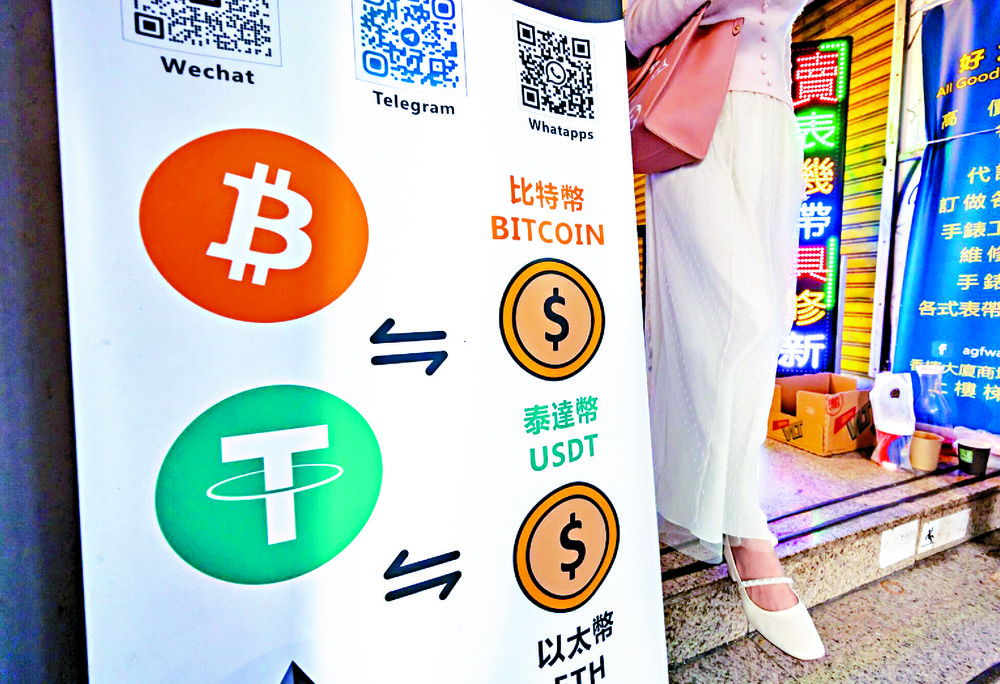
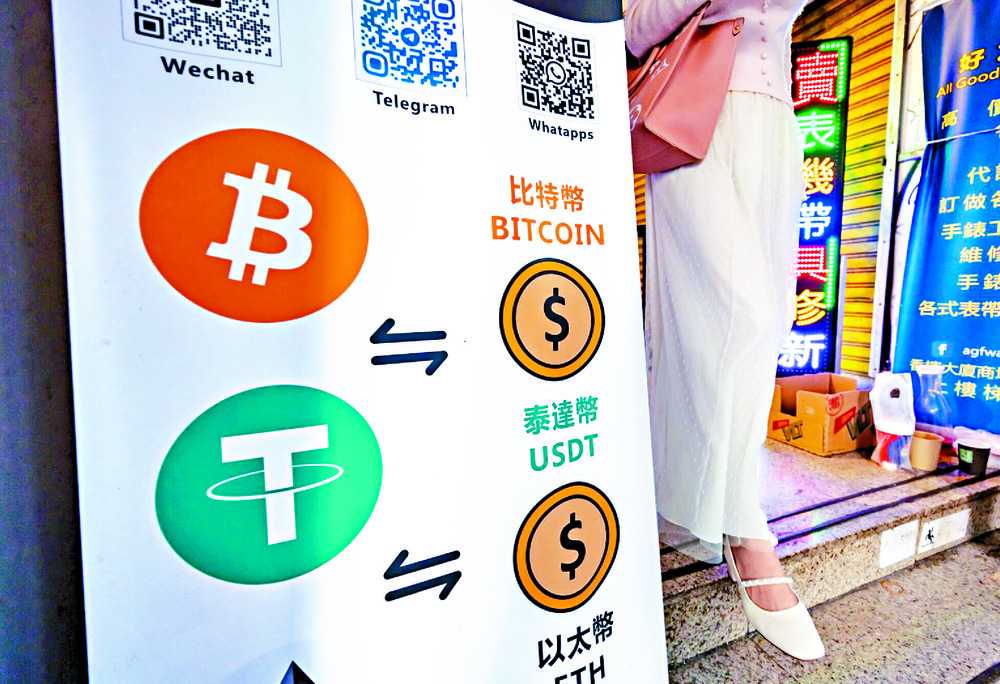
Currently, the major stablecoins on the market are Tether (USDT) and Circle's USDC, both pegged to the US dollar.
The stablecoin that the Hong Kong Monetary Authority is exploring is a fiat-backed stablecoin linked to our currency.
The characteristics of stablecoins being pegged to fiat currencies make them excellent tools for cross-border transactions.
The stablecoin market operates 24/7, 365 days a year, including on bank holidays, which is very convenient for users.
Additionally, since this kind of stablecoins are supported by fiat-backed assets, users are more confident about their values.
In Hong Kong, stablecoin issuers must comply with know your customer requirements to ensure user identity verification before transactions, thereby enhancing transaction transparency.
Furthermore, all funds entering and exiting must adhere to existing anti-money laundering regulations to detect and prevent illegal activities.
Differences between
stablecoins and CBDCs
Some may wonder why, since Hong Kong is already developing CBDCs, we need commercial financial institutions to develop stablecoins?
To answer that question, we must first understand the differences between CBDCs and stablecoins.
CBDC is a form of central bank money and is classified as liability on the institution's balance sheet.
In economic terms, CBDCs form part of the "monetary base."
Just like traditional fiat money, central banks can use CBDCs to adjust market liquidity, thereby achieving monetary policy objectives.
In day-to-day life, cash is but one kind of payment method. We also use credit cards and other forms of electronic payments. This is where stablecoins come in.
Currently, stablecoins are primarily used for commercial operations, facilitating the circulation of fiat currencies and enhancing liquidity in financial markets.
European Central Bank research indicates that stablecoins have been playing an increasingly important role in digital asset trading in recent years. At the same time, stablecoins can serve as a testing ground for CBDCs, helping policymakers explore ways to improve the efficiency of cross-border trade and payments, while providing data on transaction speed, costs and security.
How stablecoins can help trade and investment in Belt and Road regions
How can the development of stablecoins help Hong Kong?
First and foremost, it can enhance the use of Hong Kong dollar in international settlements.
Second, stablecoins have the potential to assist trade and investment in Belt and Road regions.
Currently, international transactions still mostly rely on the US dollar for settlement.
The introduction of a Hong Kong dollar stablecoin would make transactions conducted in the SAR's currency more convenient, potentially reducing reliance on the US dollar.
Stablecoins have the potential to play an important role in the Belt and Road Initiative, particularly in facilitating cross-border trade and investment.
Through them, participating countries can reduce their reliance on fiat currencies, lower transaction costs and risks, and provide fast and low-cost payment options, helping businesses conduct more efficient trade along the Silk Road.
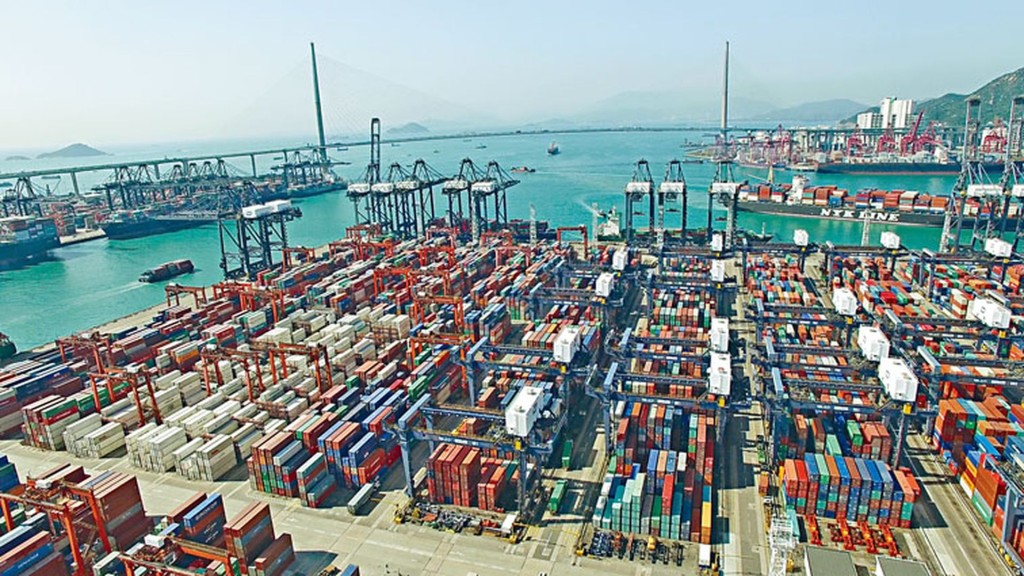
In the shipping industry, stablecoins can simplify payment and settlement processes, making international trade more efficient.
With stablecoins, shipping companies and freight forwarders can quickly conduct cross-border payments, reducing settlement times and lowering transaction costs.
Additionally, the transparency and traceability of stablecoins enhance trust in the supply chain and facilitate collaboration within the industry, which is crucial for Hong Kong's future development as an international shipping hub.
Dr David Wong is the former deputy group chief executive of Bank of China (Hong Kong)