Yuri Kagema
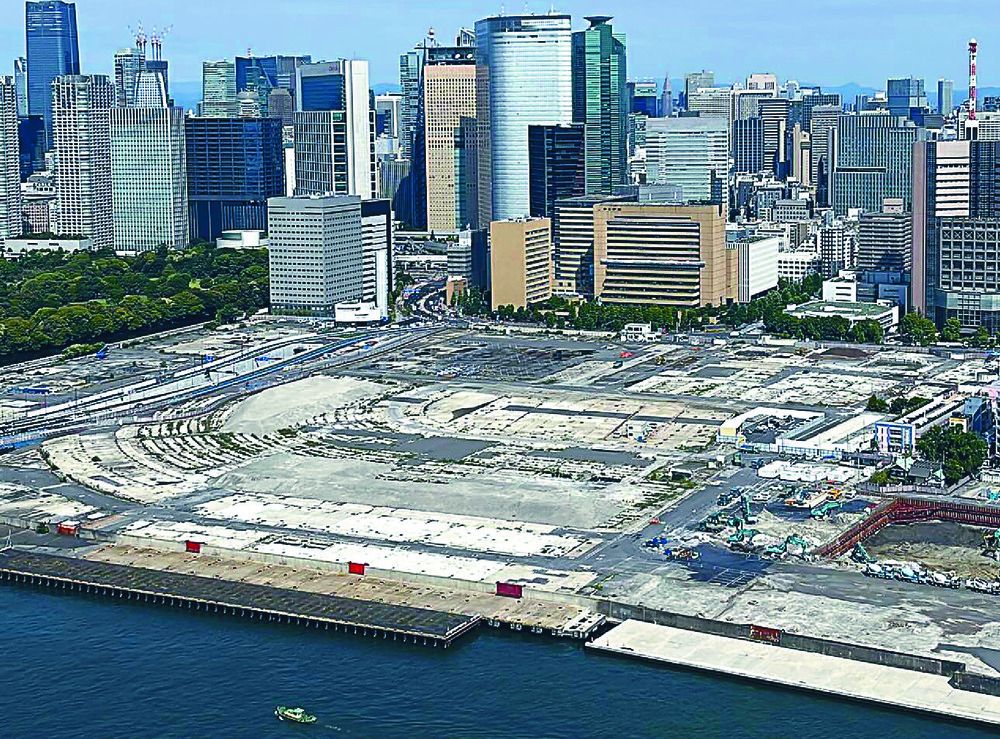
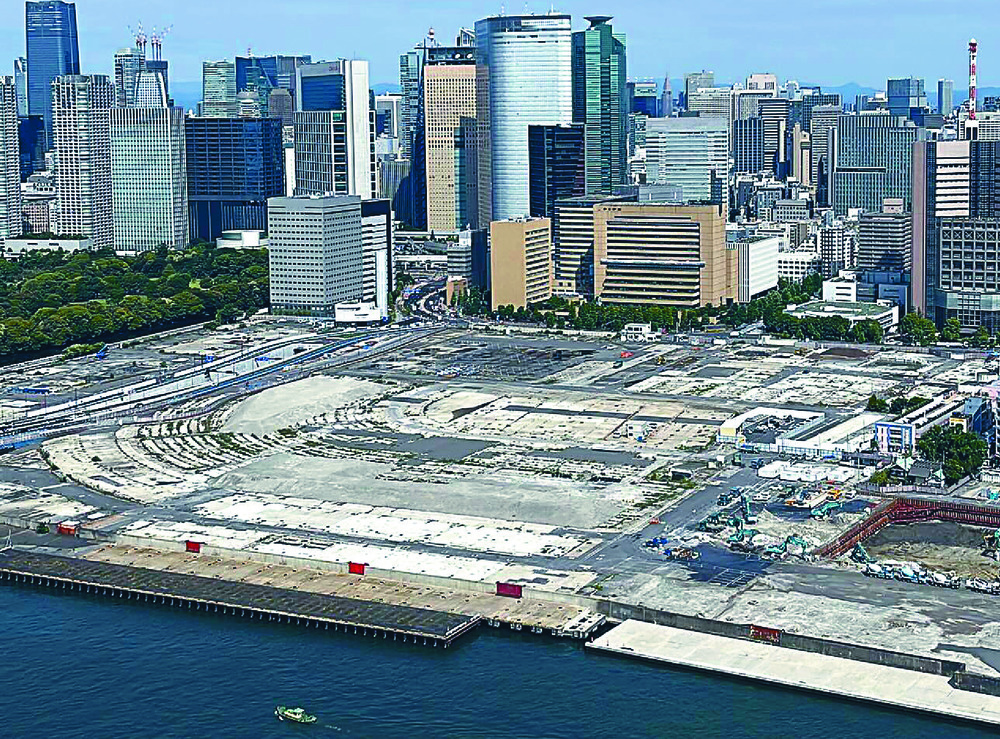
The site of Tokyo's famed Tsukiji fish market, left empty after it was razed six years ago, will be replaced by a scenic waterfront stadium and glistening skyscrapers in plans for its redevelopment that are facing staunch opposition.
A computer graphic video of plans for the 900 billion yen (HK$44.46 billion) project made by developer Mitsui Fudosan shows air taxis zipping above the Sumida river, famed for its scenic bridges.
It's the latest vision for what is to replace the old market famous for its tuna auctions and pre-dawn fresher-than-fresh sushi meals in shops nearby.
Mitsui Fudosan says it will rival top waterfront spots in places like Sydney and Singapore. The idea is to draw in plenty of people from both Japan and abroad. But some in Tokyo are opposed and would prefer to see the prime site turned into a garden.
The plans include office buildings, event spaces, greenery and residential areas, hotels and a biotech research center. Also, plenty of places to shop and eat out.
"We are entering a new chapter. Over the years of Japan's modernization, waterfronts were used for warehouses and factories," said Jiro Ueda, an executive at consortium head Mitsui Fudosan.
"We want to build facilities for sports and entertainment to move people emotionally. We want to make Japan more economically competitive."
The consortium includes Toyota Motor, Toyota Fudosan, the Kajima, Taisei, Shimizu and Takenaka construction groups, engineering firms Nikken Sekkei and Pacific Consultants and media groups Asahi Shimbun and the Yomiuri Shimbun, whose baseball team, Yomiuri Giants, may use the new arena as its home stadium.
The site is now a vacant 190,000 square meters of cement the size of 35 soccer fields.
The land beside the river is within walking distance of glitzy Ginza and across a small bridge from Hamarikyu, a traditional Japanese garden with sculpted pine trees, a small forest and a tea house.
What's left of the old market, a quaint "retro" area packed with sushi and ice cream stalls called the jogai, or "outer area" of the market, will be kept like it is.
The fish market functions of Tsukiji were moved in 2018 to a more modern, bigger warehouse-like facility in another area of Tokyo Bay called Toyosu.
The city called for bids in 2022 and in April chose the consortium headed by Mitsui, a participant in the Hudson Yards megadevelopment in New York. Initial construction is due to begin next year.
"Tsukiji is a special place. It's so close to downtown, yet surrounded by waterways and greenery," said city hall official Takuo Takano. "It will become the face of Tokyo."
The project building will connect ferries on the city's rivers and Tokyo Bay with city subway lines and provide a showcase venue for conventions, trade shows and summits as well as tourism.
The project "will be like a giant city in itself," said Sachiko Okada of Goldman Sachs. "That location pick is right on the dot."
Some groups had opposed moving the market, a landmark, to Toyosu, and some still oppose the project, saying building skyscrapers will add to pollution in the area.
A garden would be better, says ecological consultant Shizuko Nagaya. She also worries about the safety of the densely populated complexes on the site, reclaimed from Tokyo Bay in the 17th century, if a major earthquake hits as expected.
"This is a site that belongs to the people," said Nagaya. "We need a place with a blue sky, sea breezes and lots of green, where our children can play."
Waseda University urban studies professor Christian Dimmer believes the fish market should have stayed where it was, and developers should leverage the historical and cultural legacy of cities.
"Relocating it far away to Toyosu, and replacing it with yet another luxury housing, hotel, shopping and entertainment complex makes central Tokyo less exciting and more mono-functional," he said.
City officials say final details are still undecided. Plenty of time will be allowed for public feedback, they say.
Mitsui Fudosan is facing criticism over other projects, including redevelopment of the leafy Jingu Gaien area between Tokyo's Meiji Shrine and the Imperial Palace. Opponents of the project, which involves renovating two sports arenas, especially object to the loss of famous rows of gingko trees in the area's streets. The company says the trees and overall natural landscape will be preserved.
ASSOCIATED PRESS
The jogai, or the outer area at the old Tsukiji market, remains a popular haunt of Tokyoites
and tourists alike that will coexist with what is being planned for the area. Far left: another
artist's conception of what the site will look like.